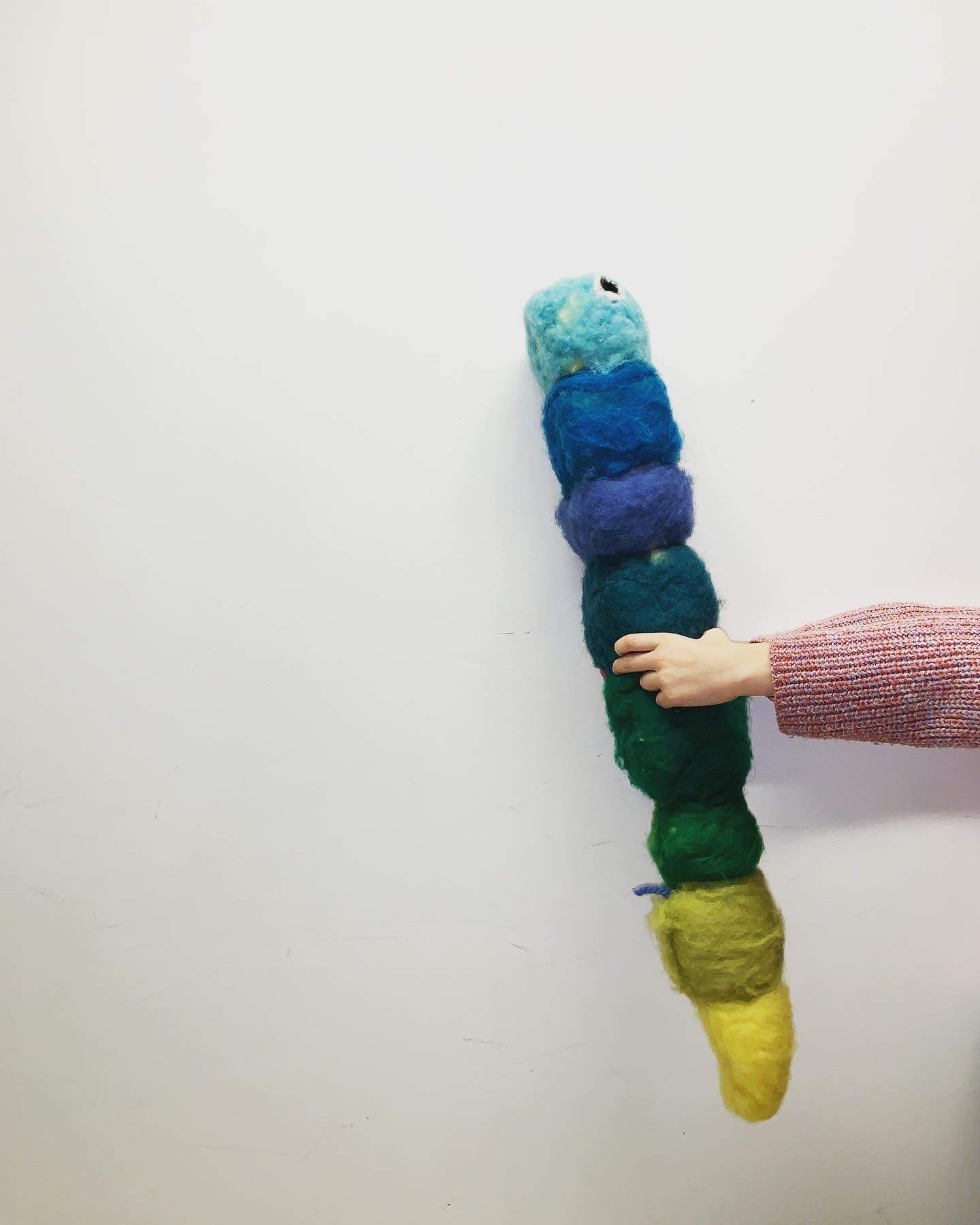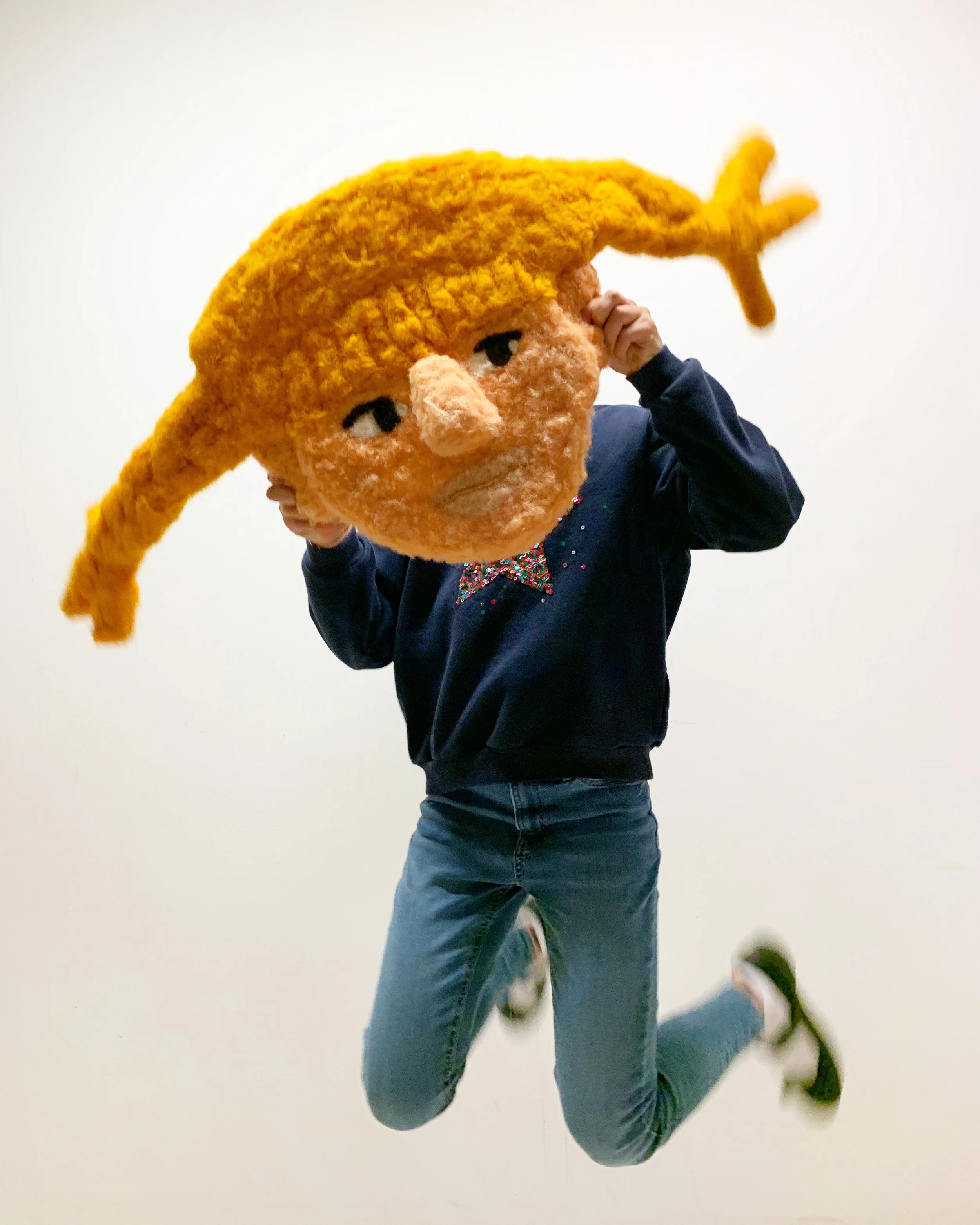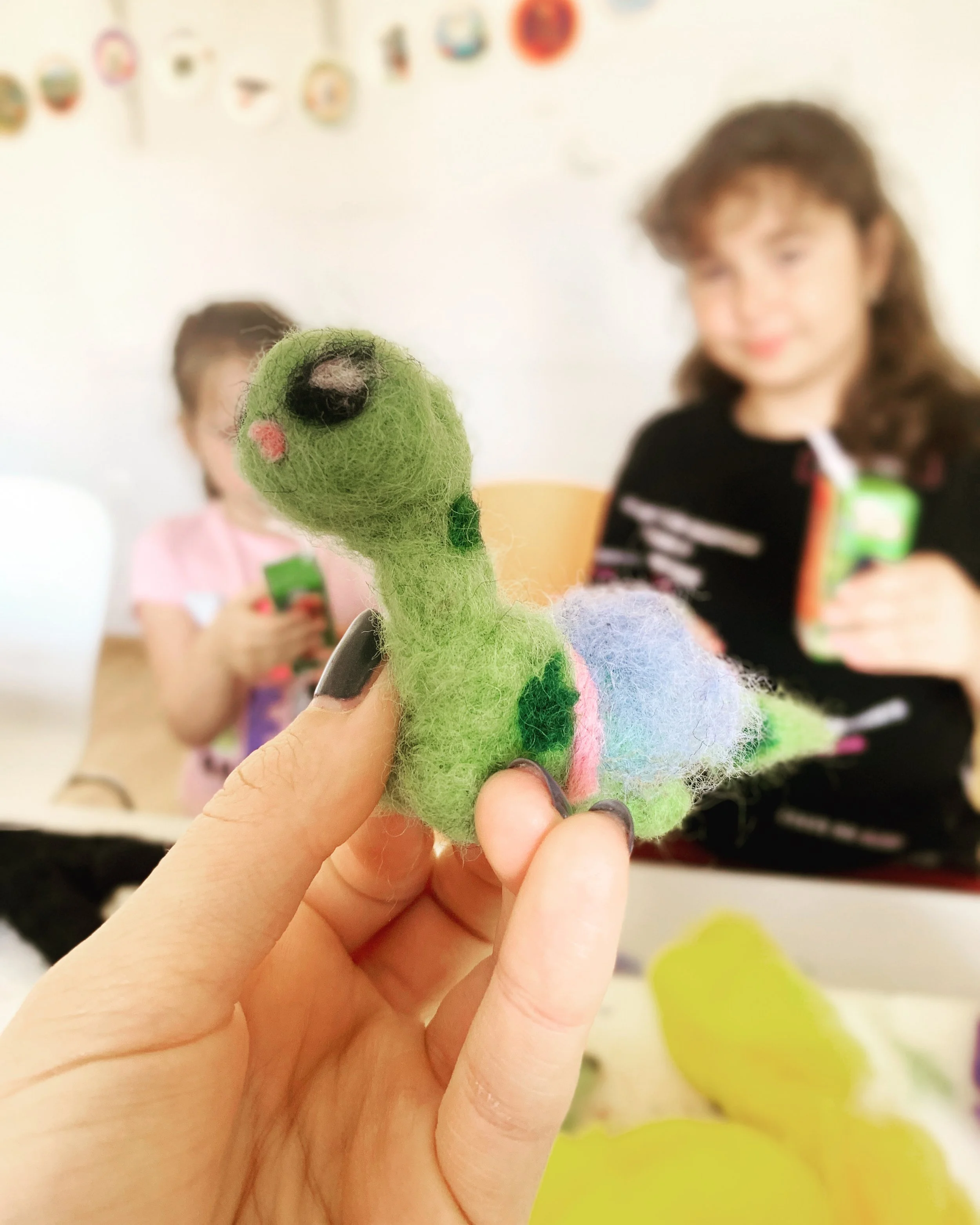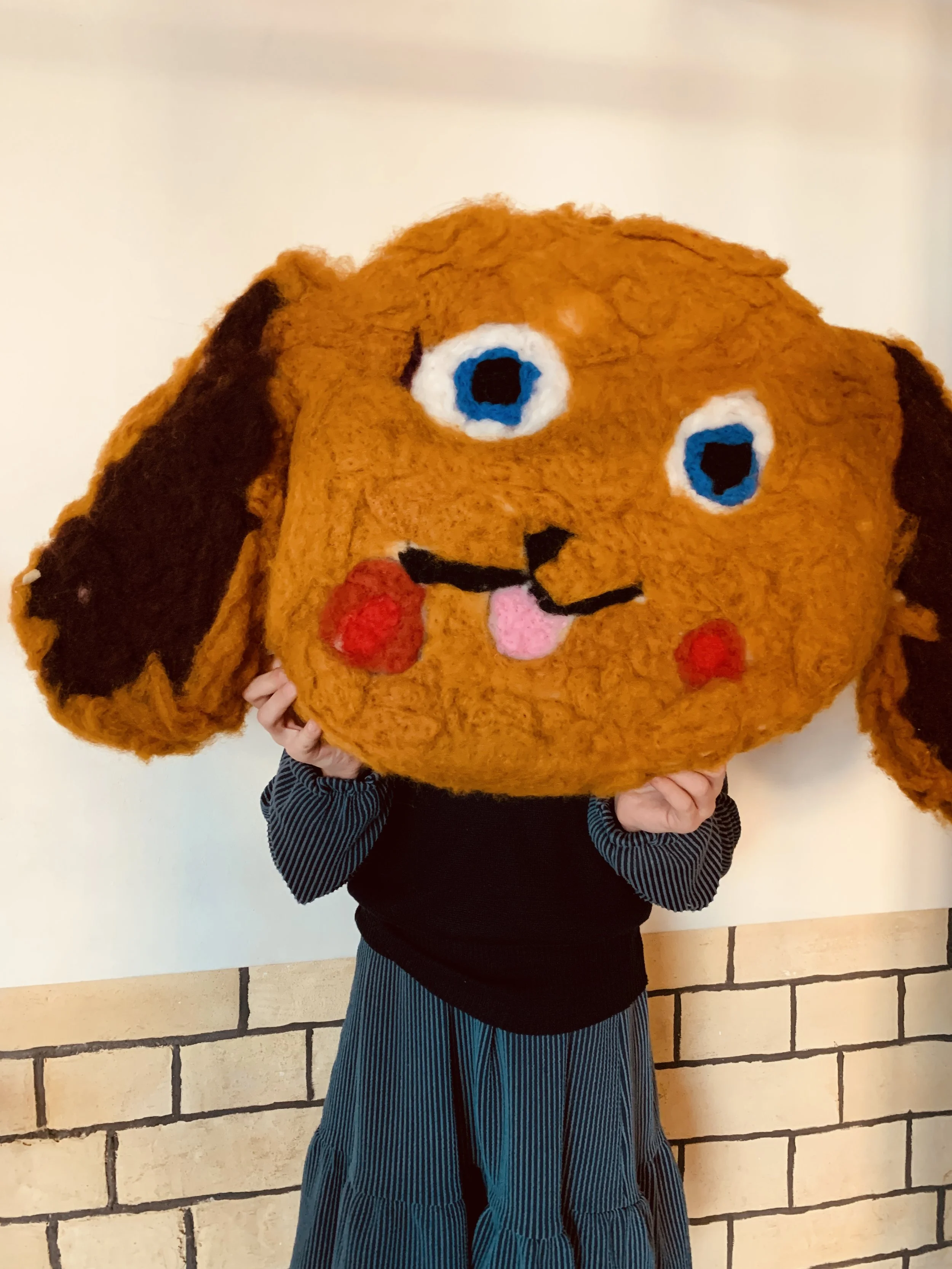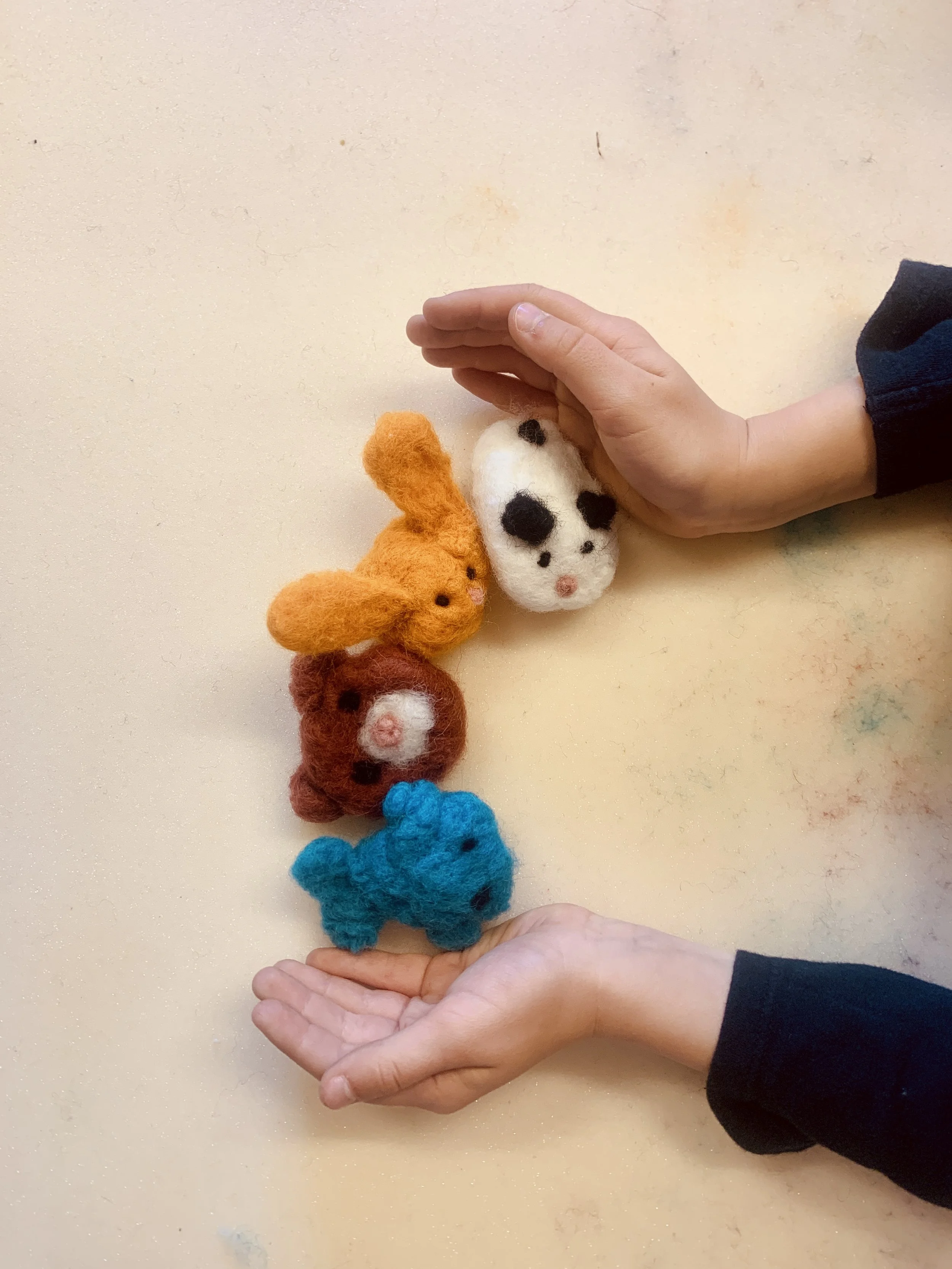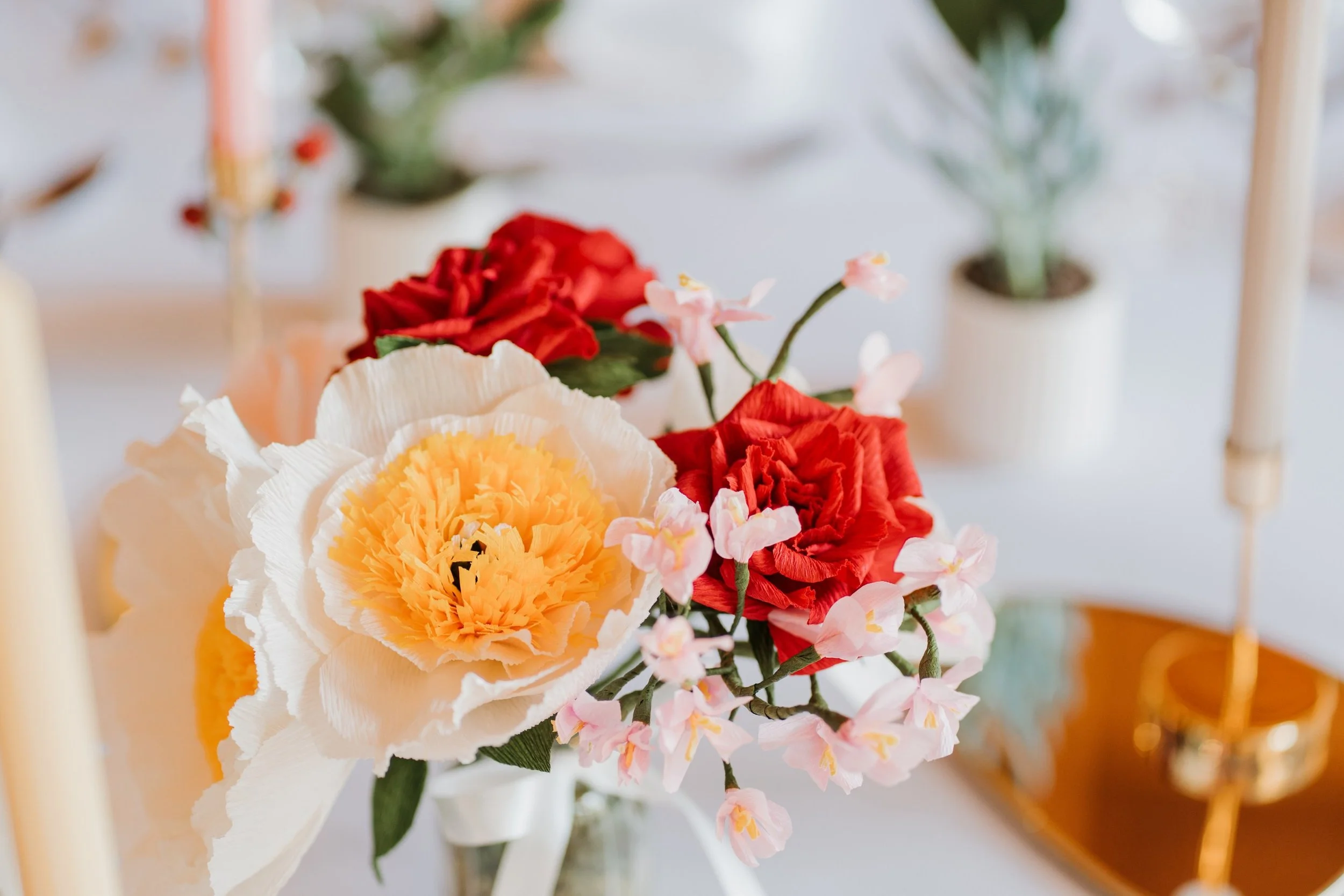
Before pixels, there was paper, wool, and a very patient sewing machine.
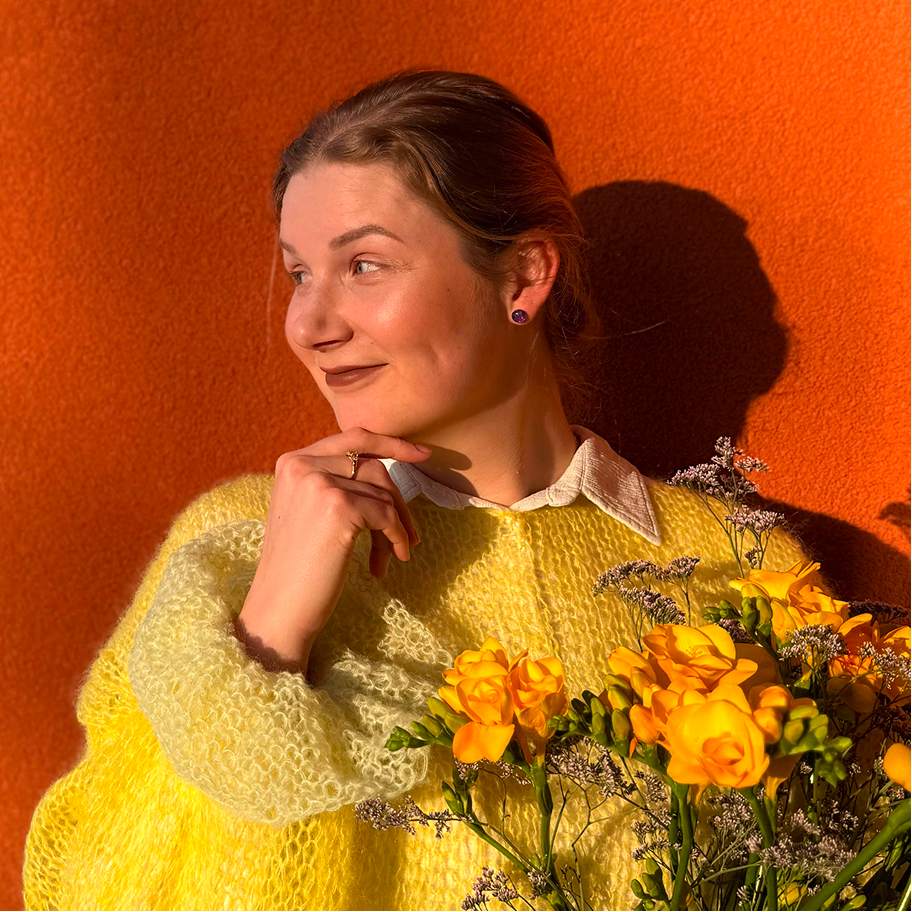
I'm a UX/UI designer by day. Ravētava is my studio and what I call everything I make off the screen with my hands — little & large crafty experiments I can’t resist trying simply because they bring me joy.
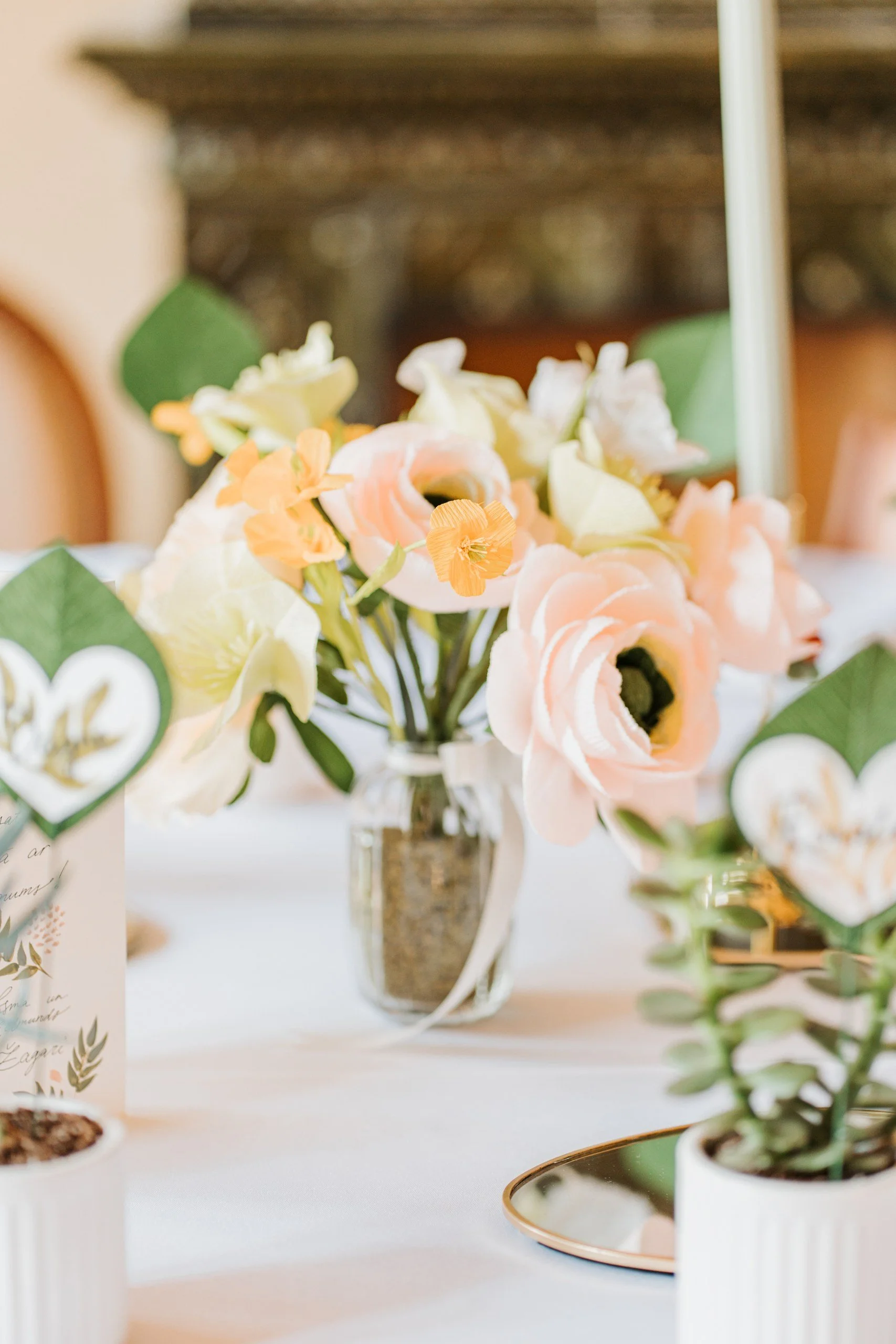
The studio as a space is closed for now and waiting for the right time and place to open again.
The Name
Ravētava
In Latvian, it's the place where the weeding happens — pulling what doesn't serve the garden, so what's left can actually grow.
I didn't choose the name for the pun. I chose it because it's exactly what happens when you sit down to make something with your hands: the noise quiets, the worry loosens its grip, and for an hour you're just making a flower out of paper. Scientifically, it checks out — you cannot ruminate and create at the same time. Practically, it's saved me more than once. In our world full of hustle, anxiety often creeps in, and craft is one of the few things that consistently talks it down.
Ravētava started as philosophy: weed out the noise, grow something worth keeping. It shows up in my paper flowers, and — if I'm honest — in every design project I've ever built.
Big thanks to my talented friend Laura, who took time to make the logo and lay out the first iteration for Ravētava website. ♡
How it all started
A sewing machine, a group of quirky girls, and a lot of laughter.
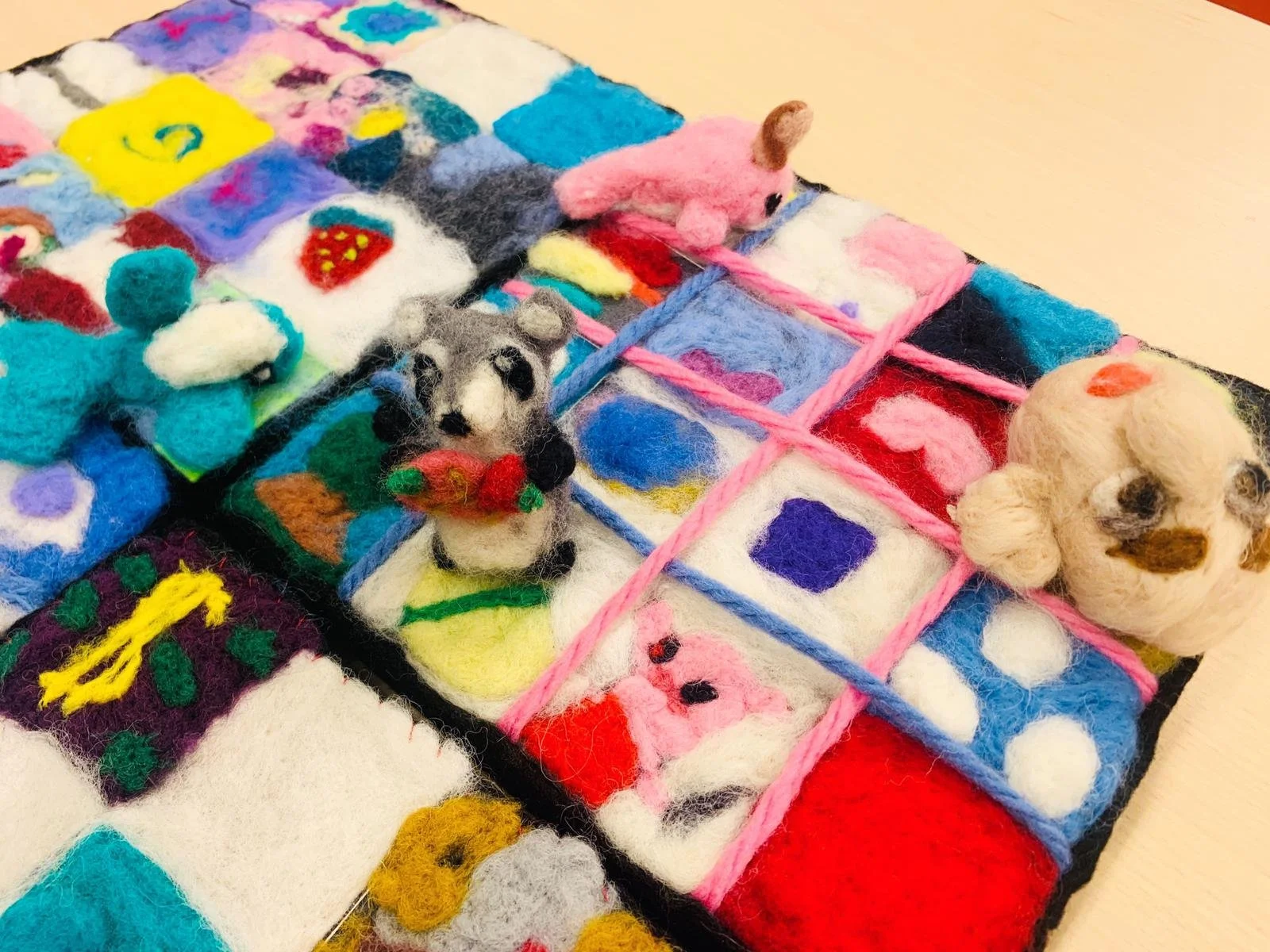
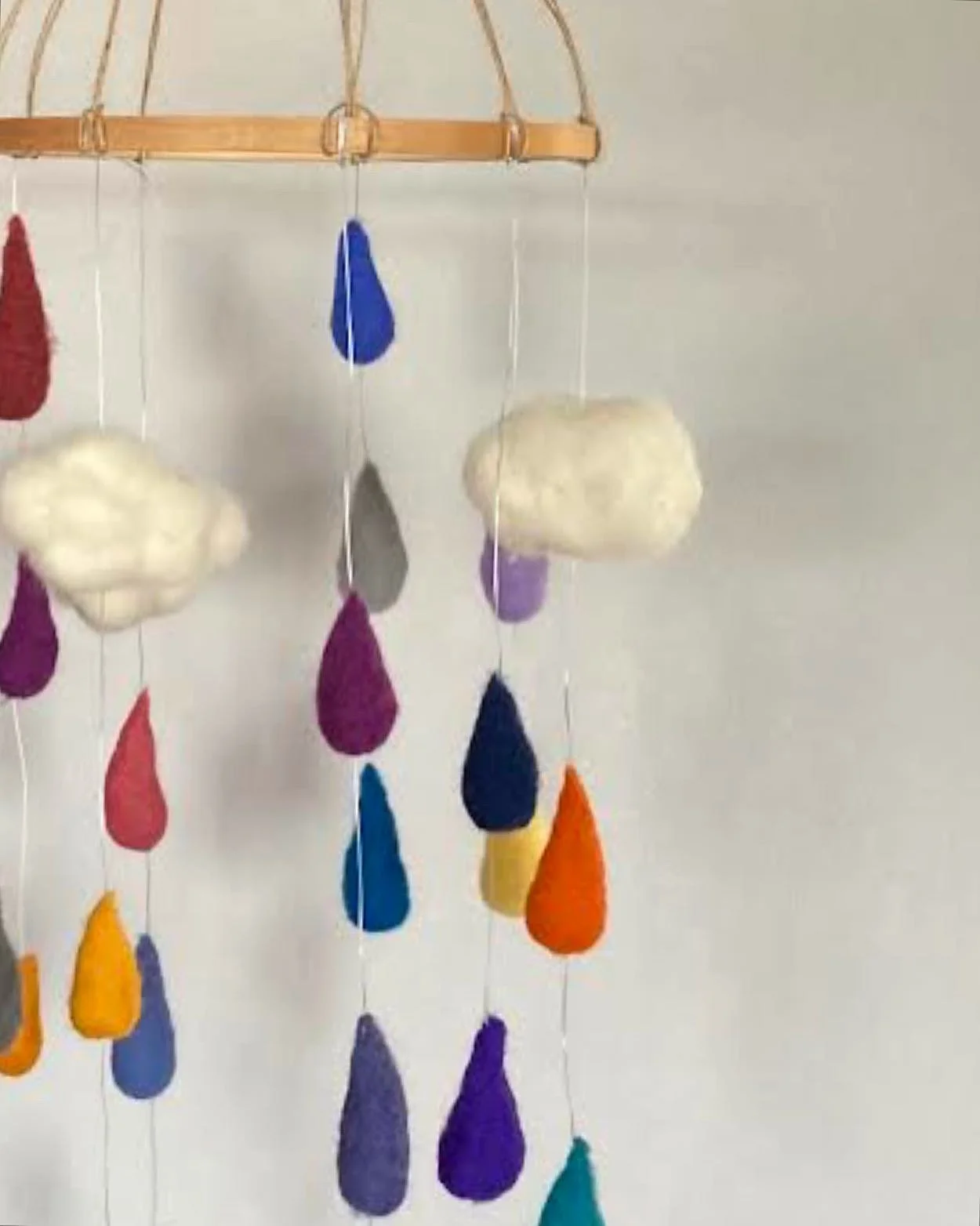
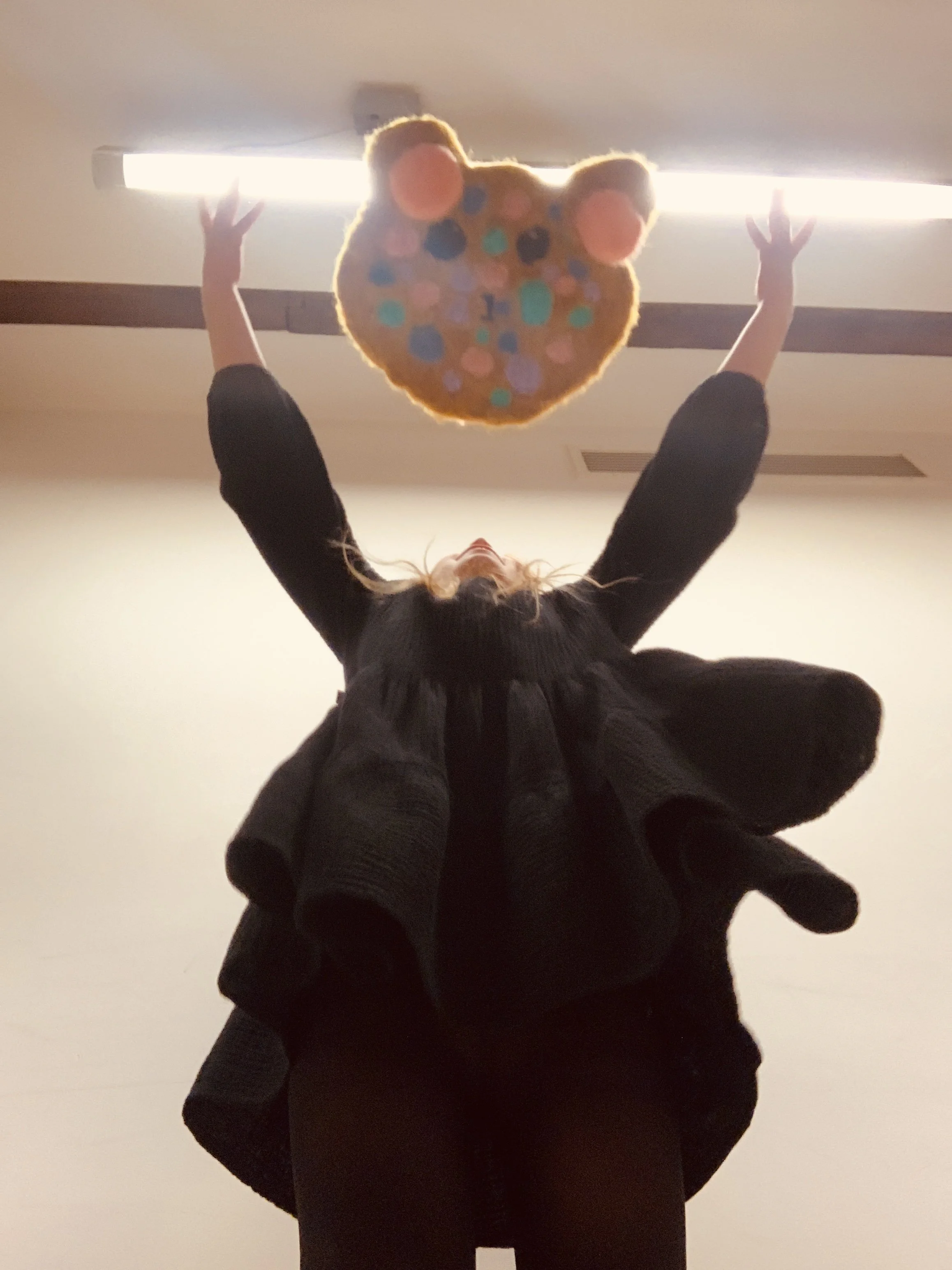
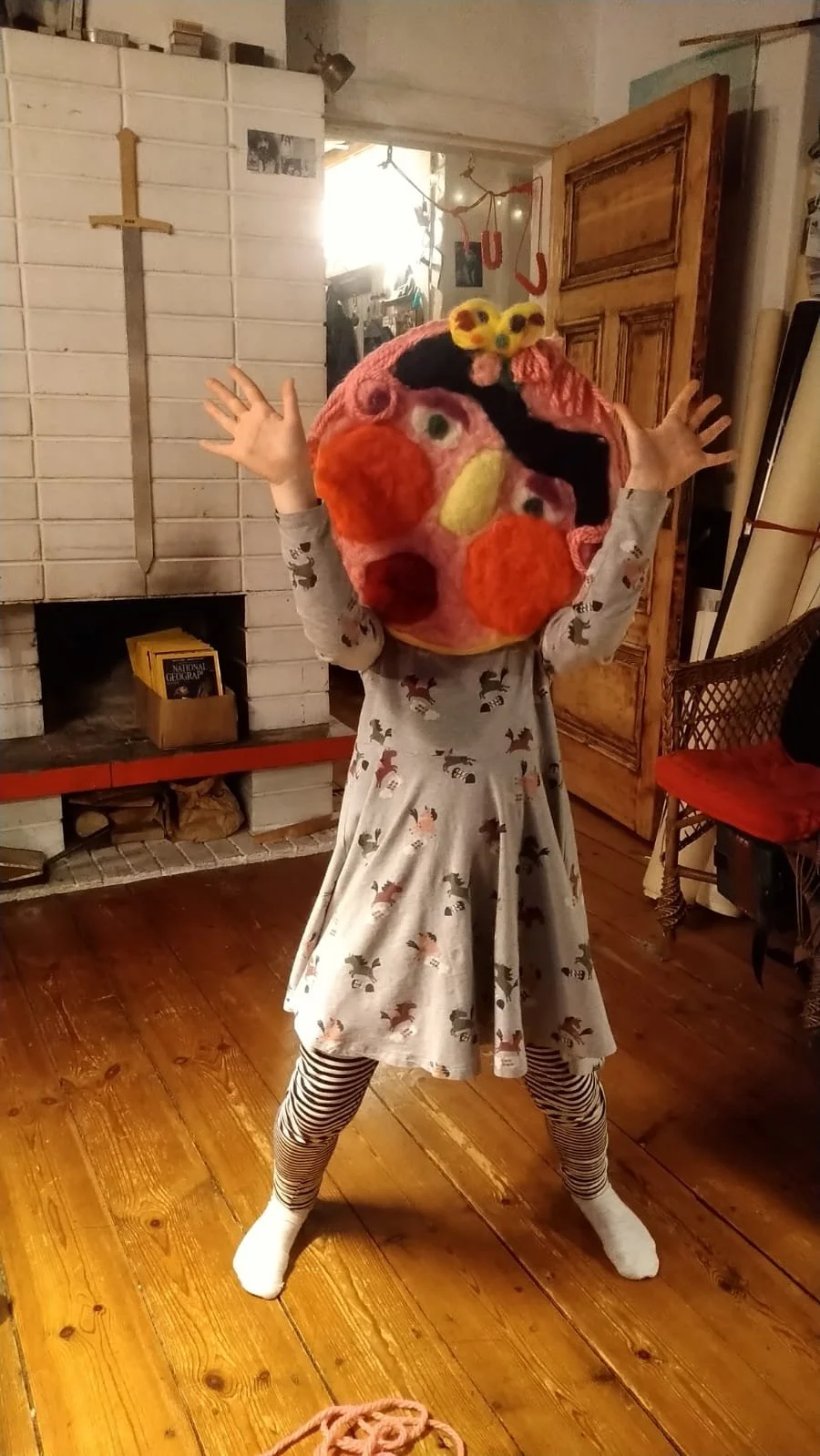
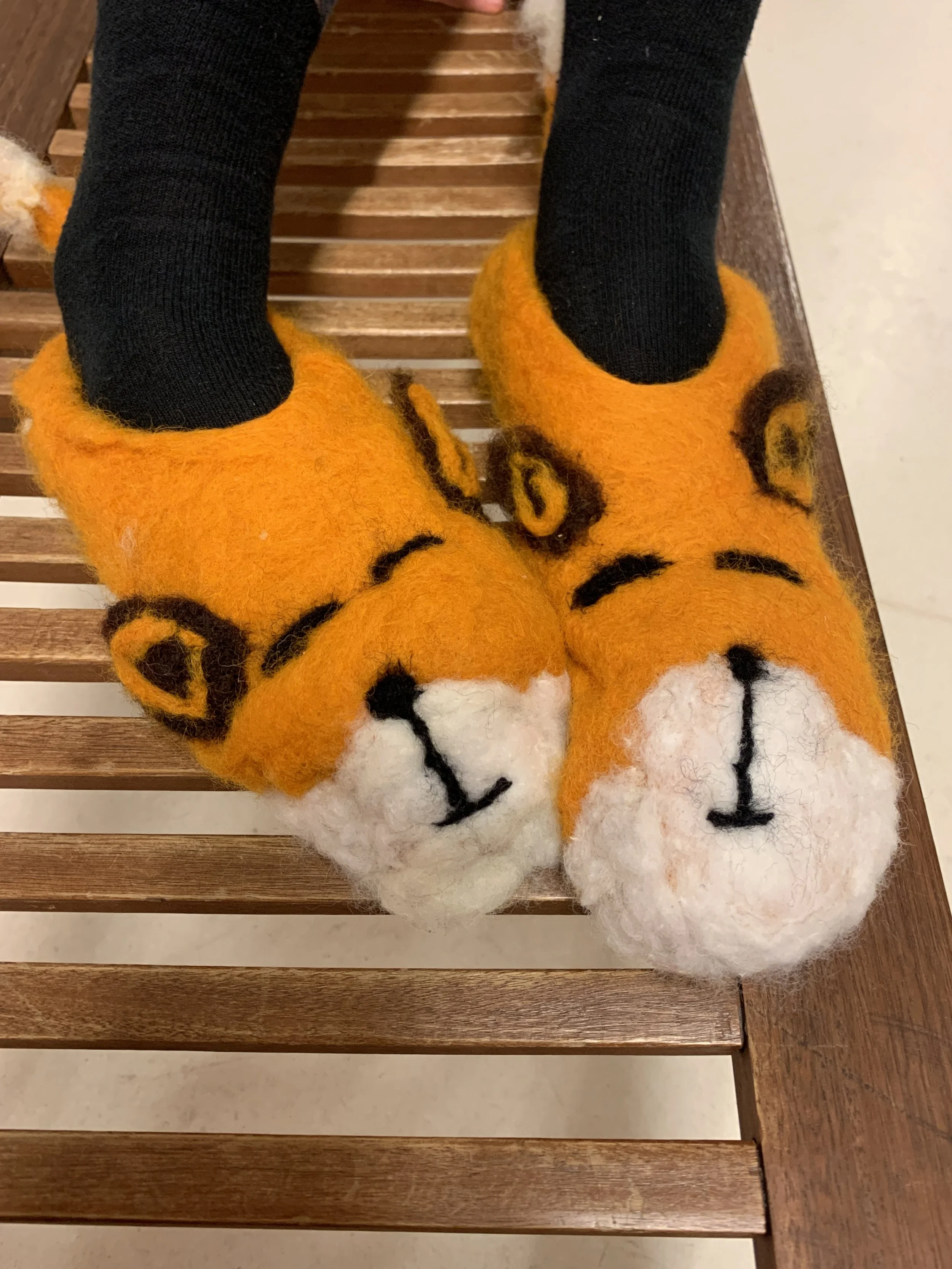
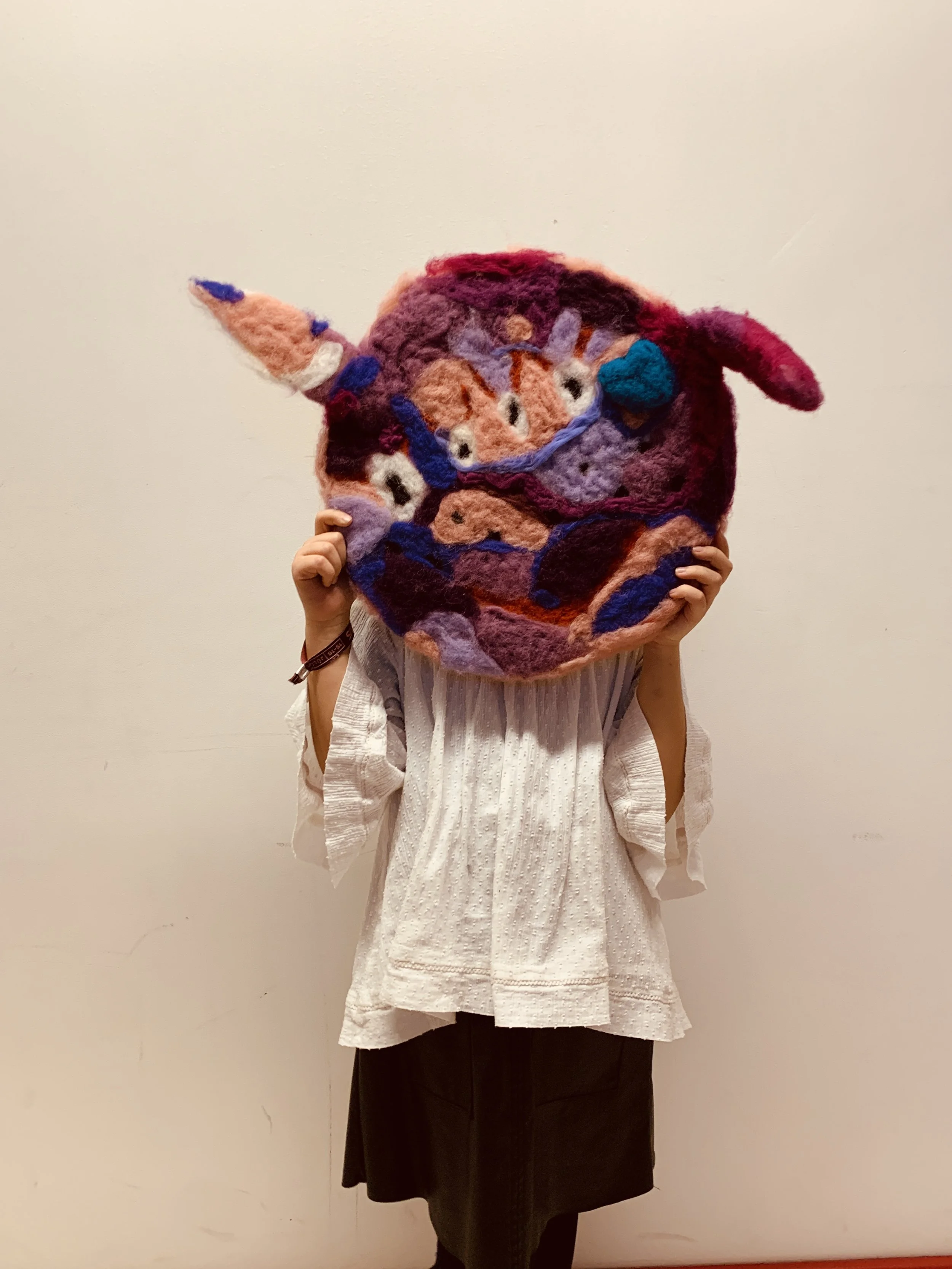
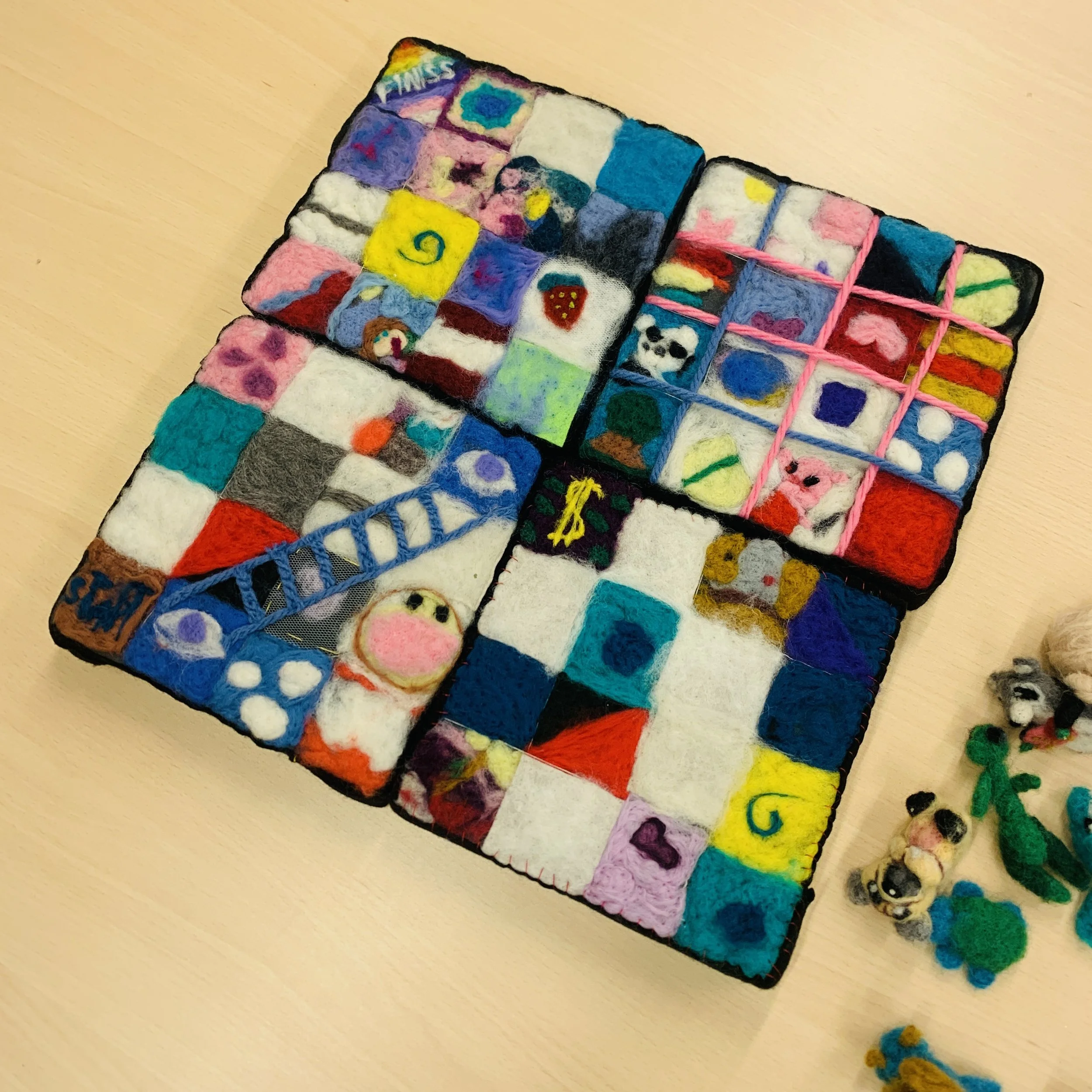
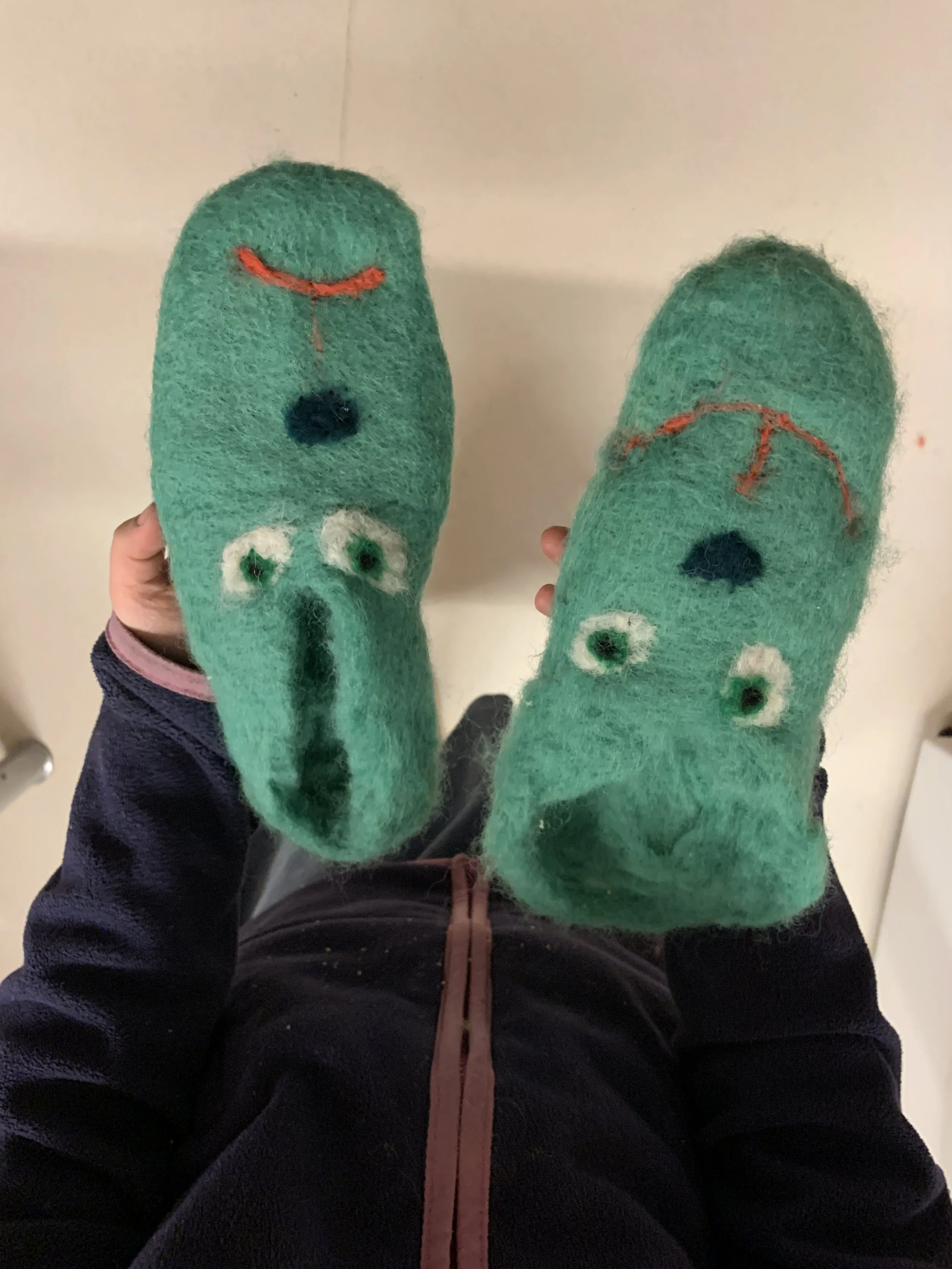
Long before Figma, I trained as a Textile Arts Designer at Riga High School of Design and Art — pattern-cutting, sewing garments, building interior accessories from scratch, felting wool into something structural. Every year ended in an exhibition. Every exhibition meant a deadline, a concept, and a room full of strangers judging whether the thing in your hands actually holds value. That's a design critique, whether anyone called it that or not.
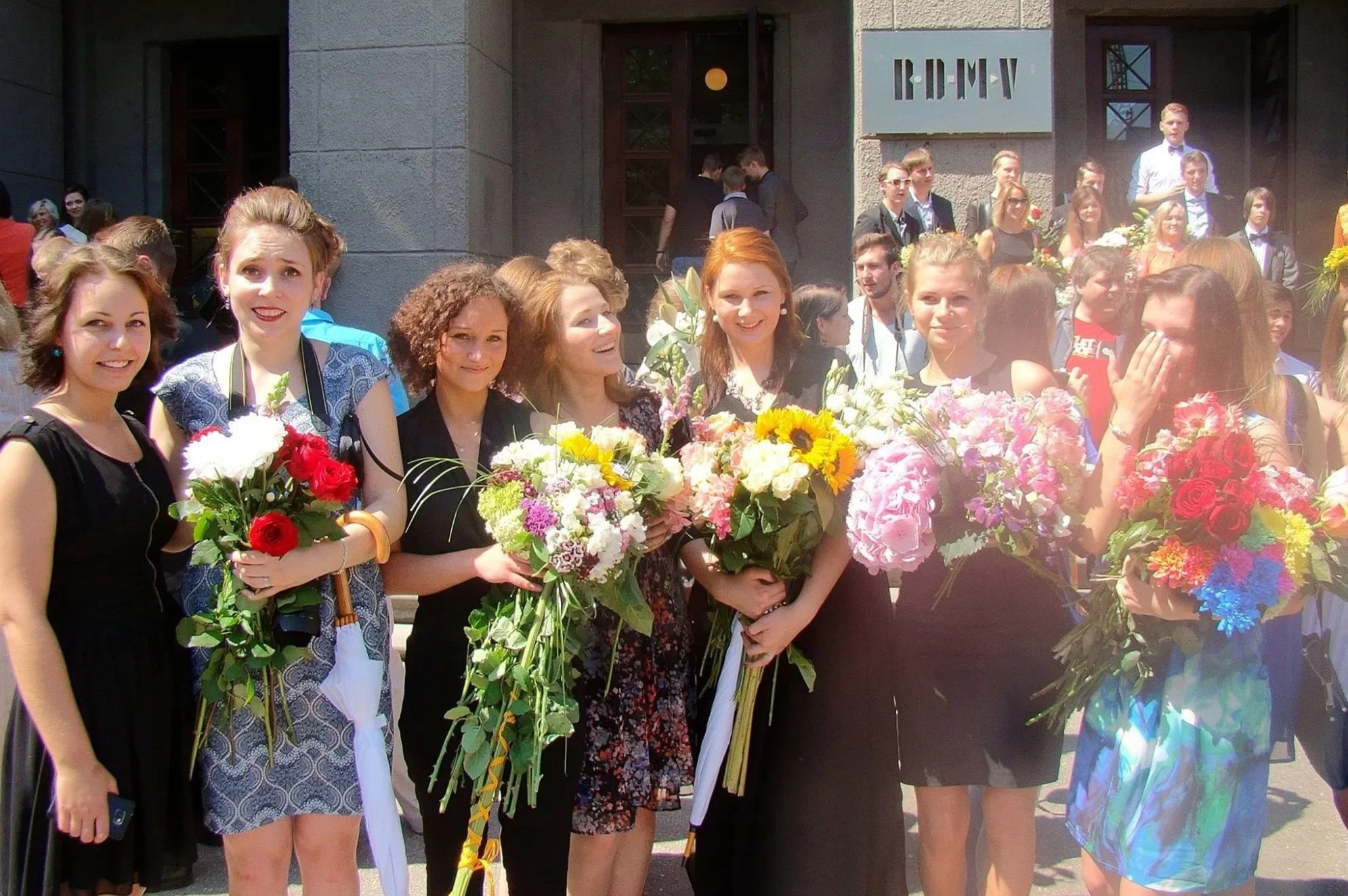
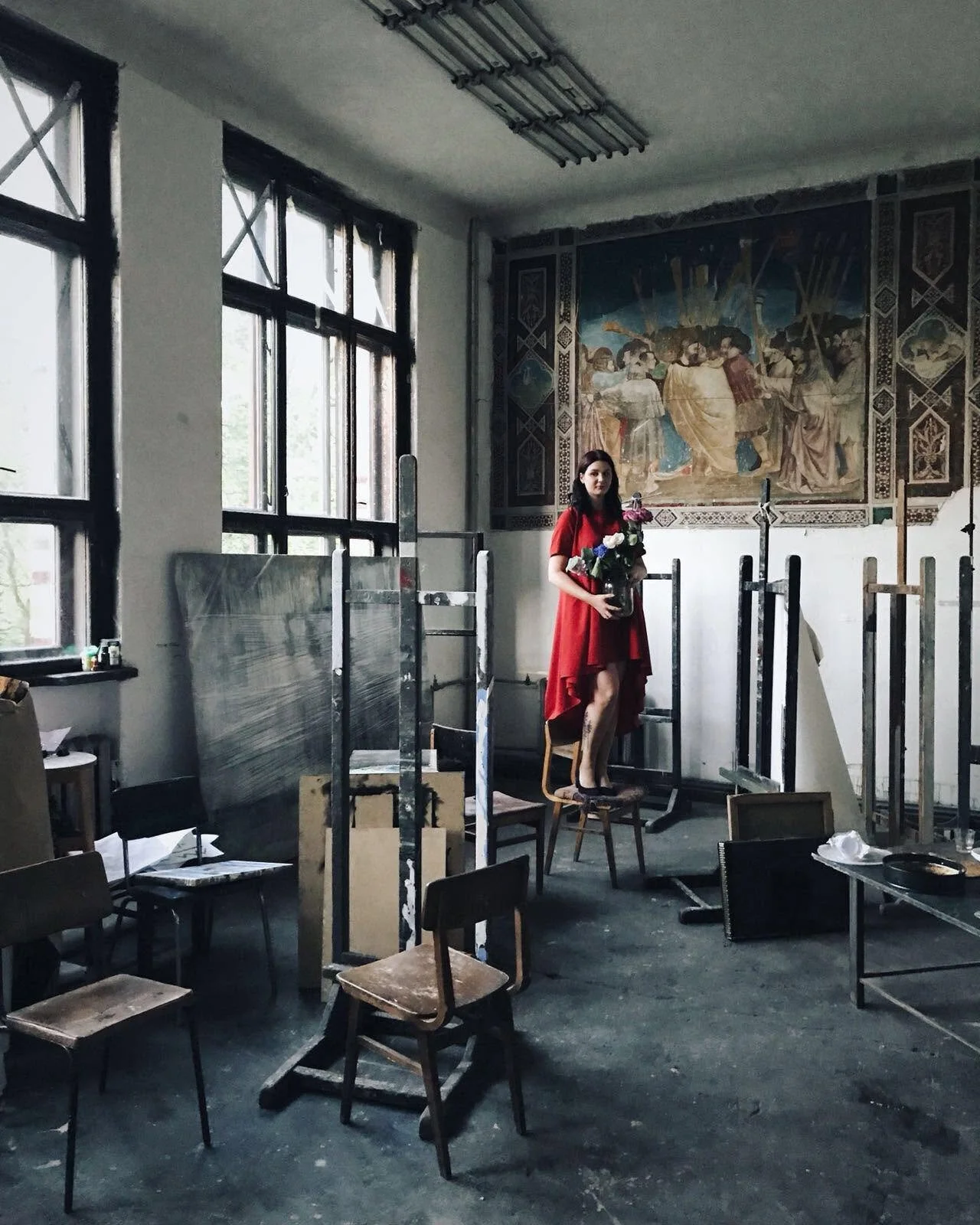
It's also where I started painting and drawing — my painting teacher noticed my passion before I did. Before the school ended he just said: "You cannot stop painting." It stuck. So I applied to the Art Academy of Latvia for ‘‘fun’’, and stayed for a Bachelor's and eventually a Master's in Fine Art.
Designing for the toughest critics: children
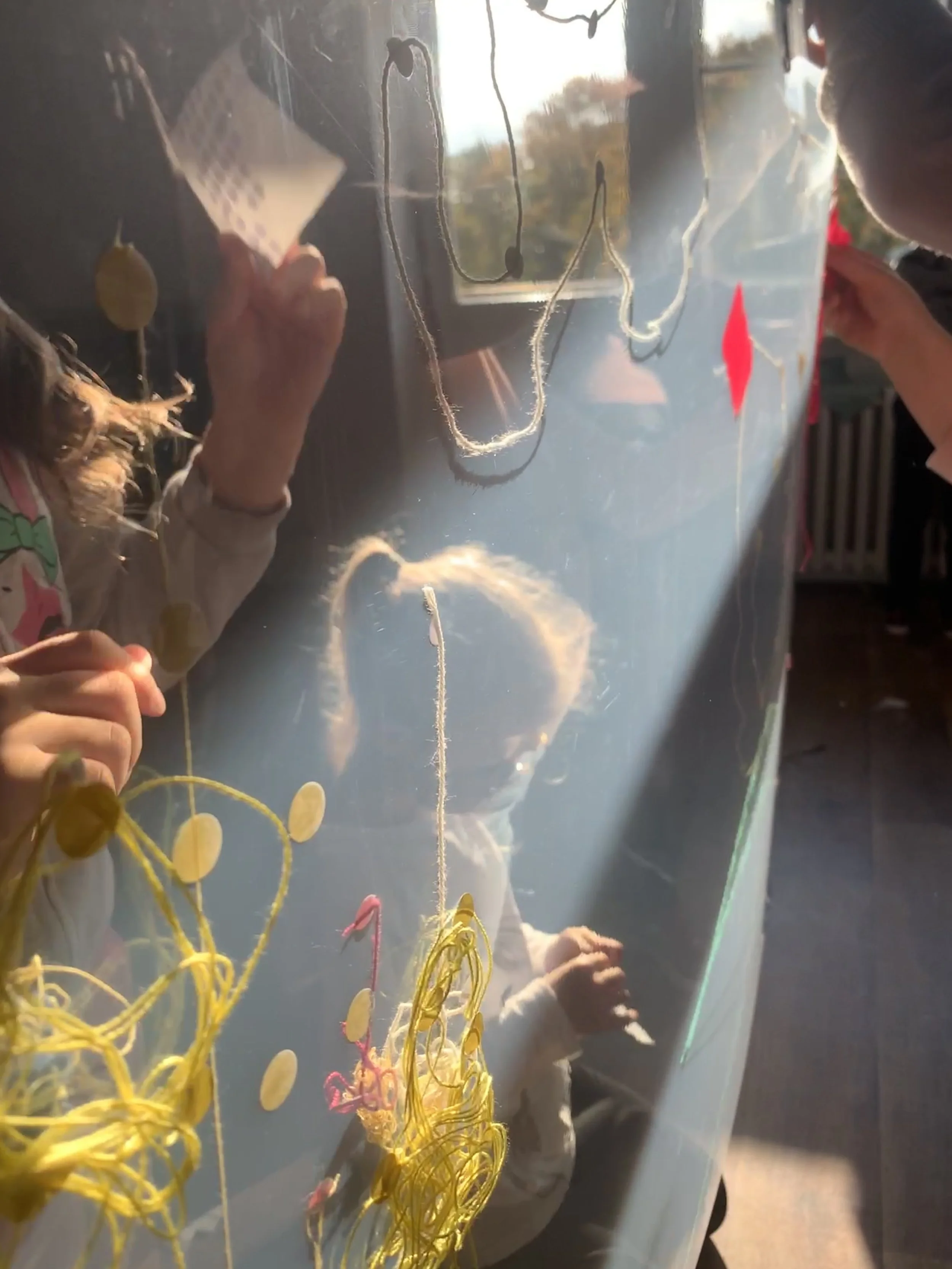
If a seven-year-old doesn't get it, neither will anyone else.
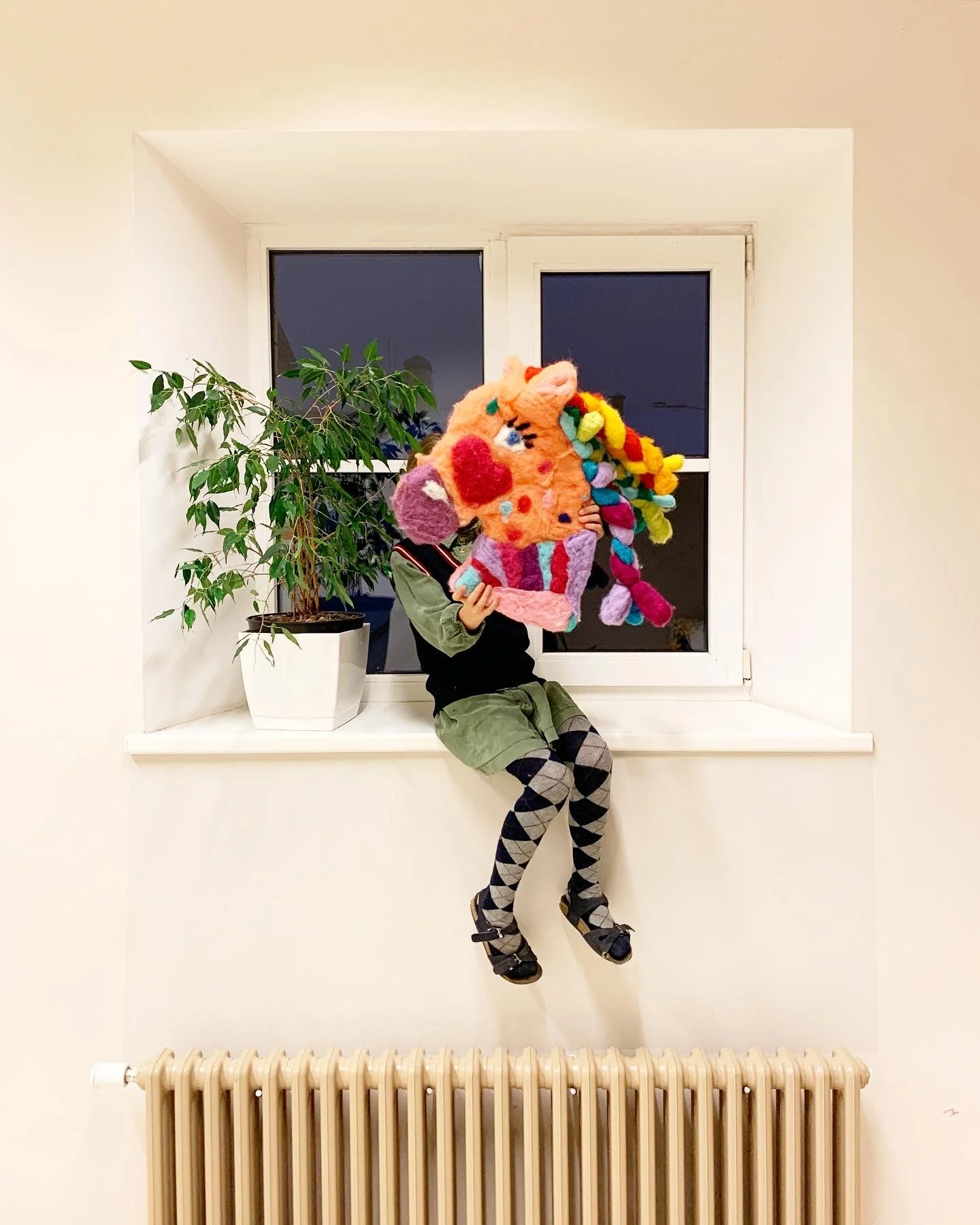
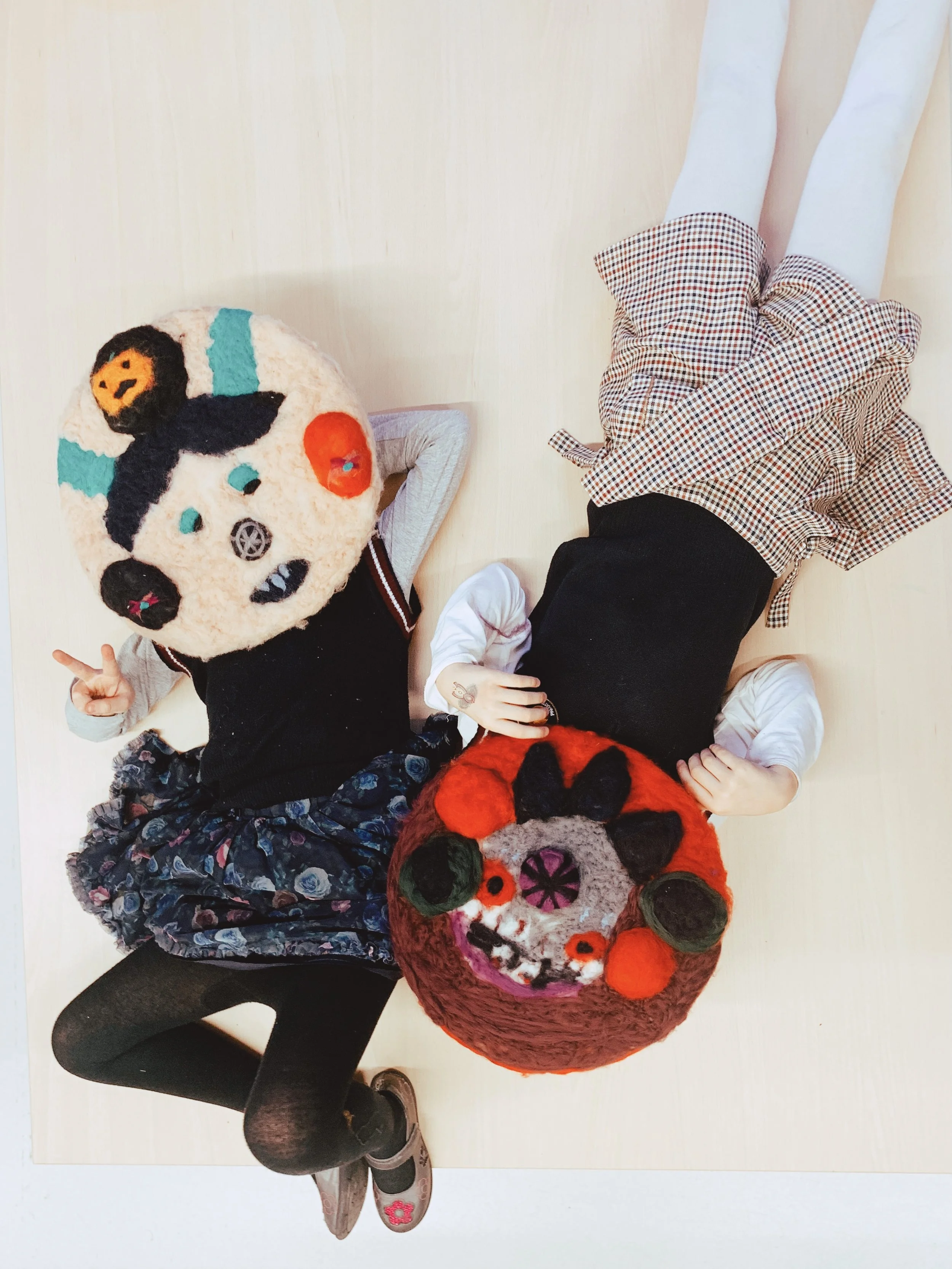
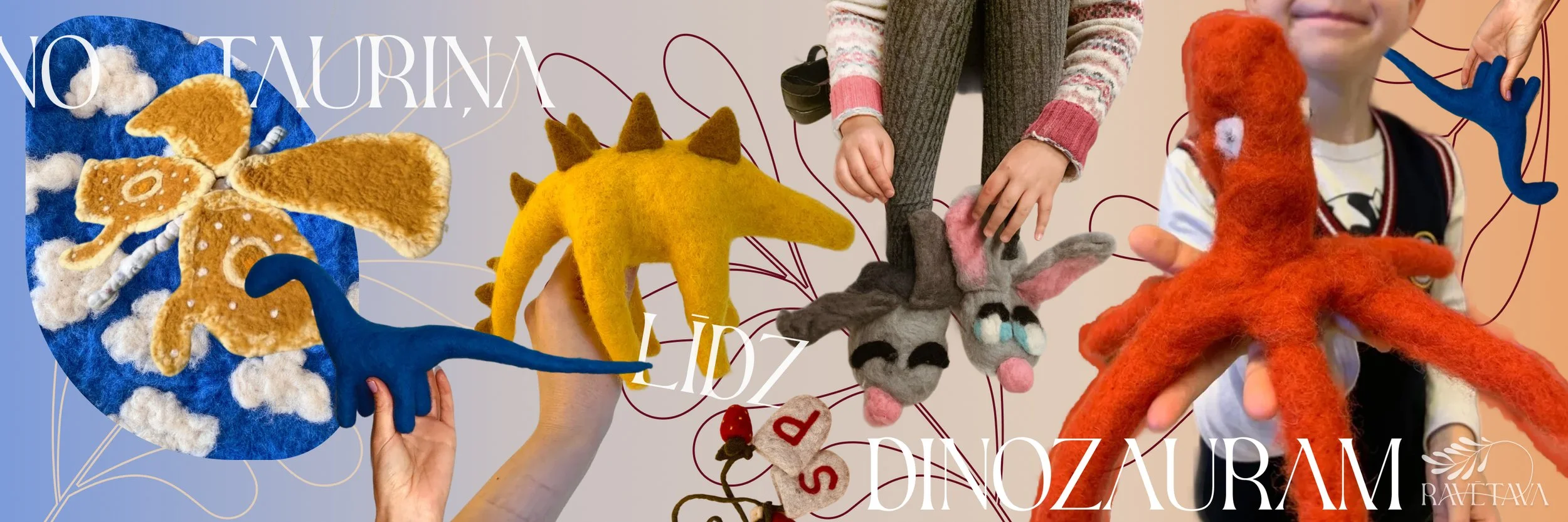
For several years I worked at London Gates Education Centre in Riga, inventing large-scale creative projects for kids across a wide age range — cardboard extinct animals one day, a full end-of-year Final show scenography built in a grand venue the next. Every project had to hold the attention of a room of children who have zero patience for anything unclear, and zero politeness about telling you so.
I was lucky to have inspirational art experts to learn from like Masha Schmidt from France and Eva Vēvere, Irina Spakova, Ieva Saulīte from Latvia.
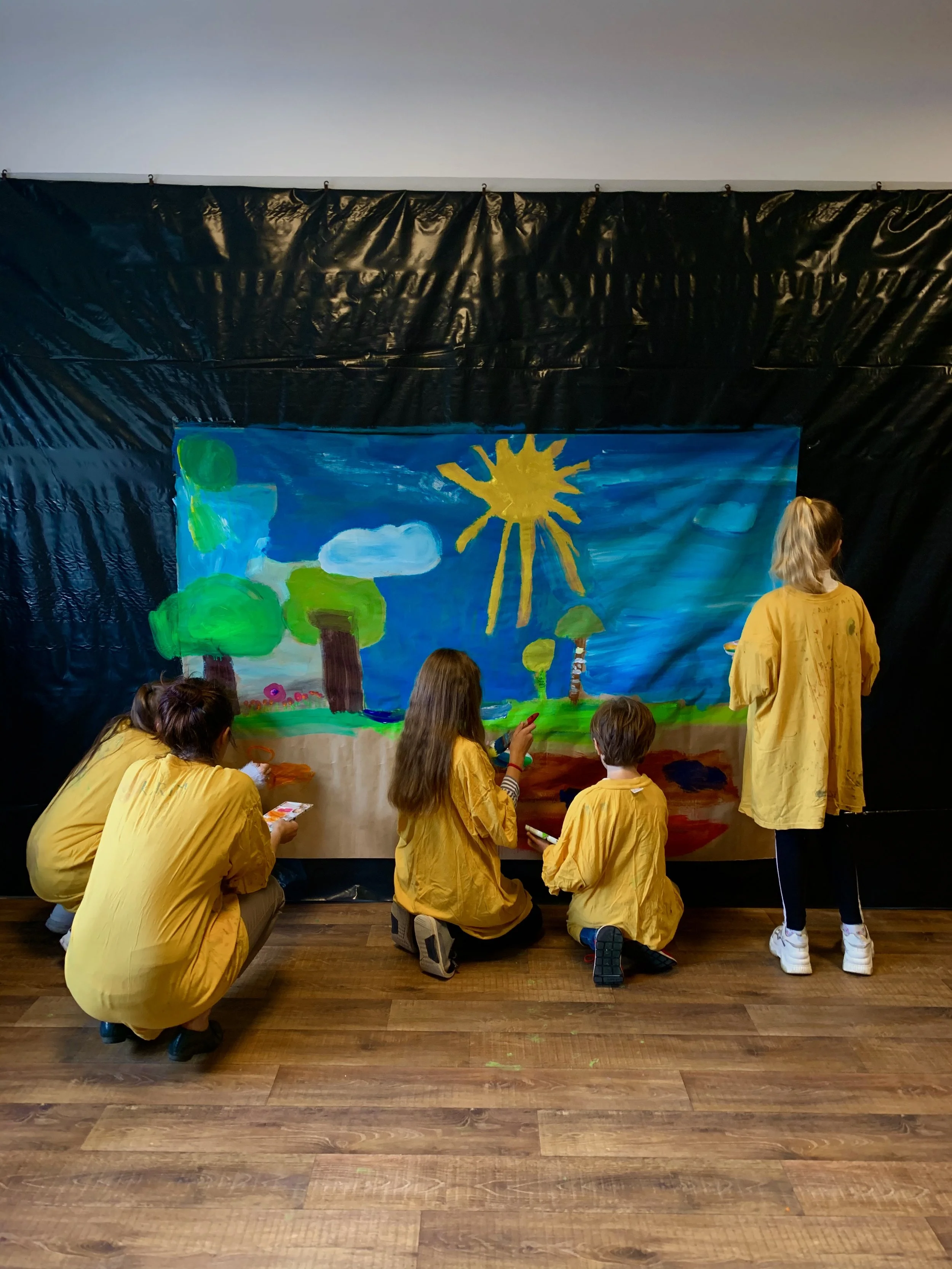
Each September would start with a lesson dedicated to the memories of our summer.
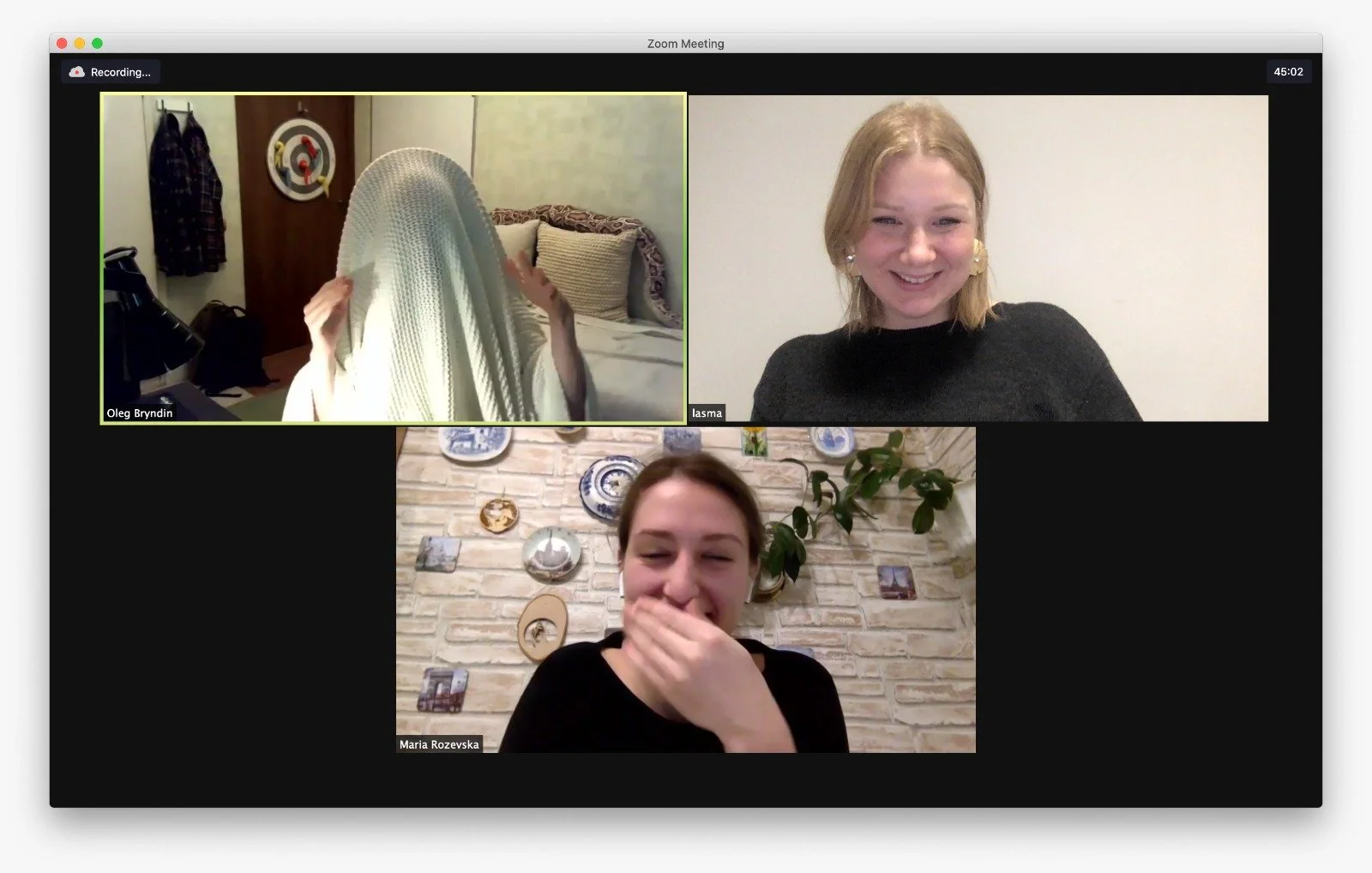
And not to forget about the time when the world went Online.
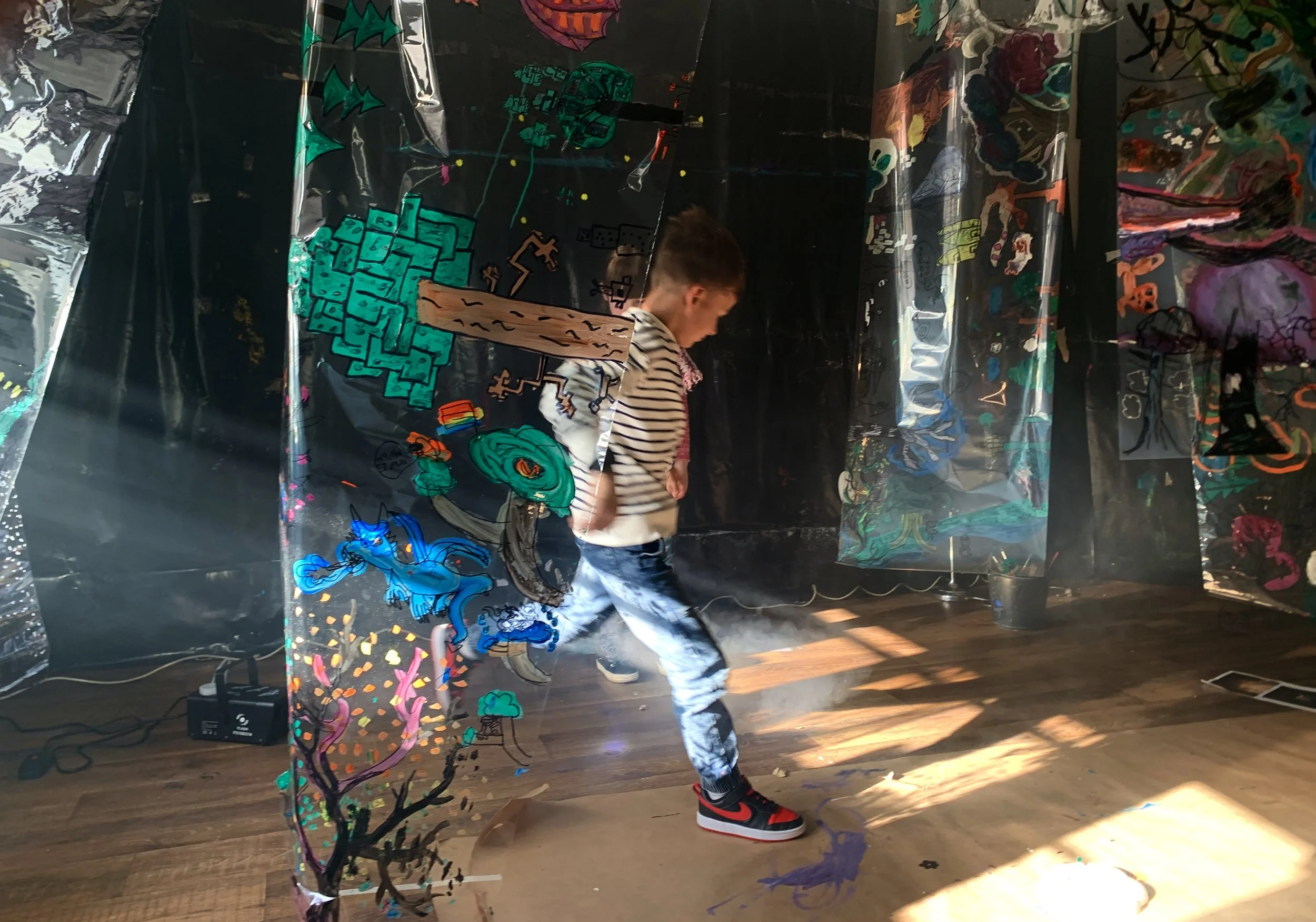
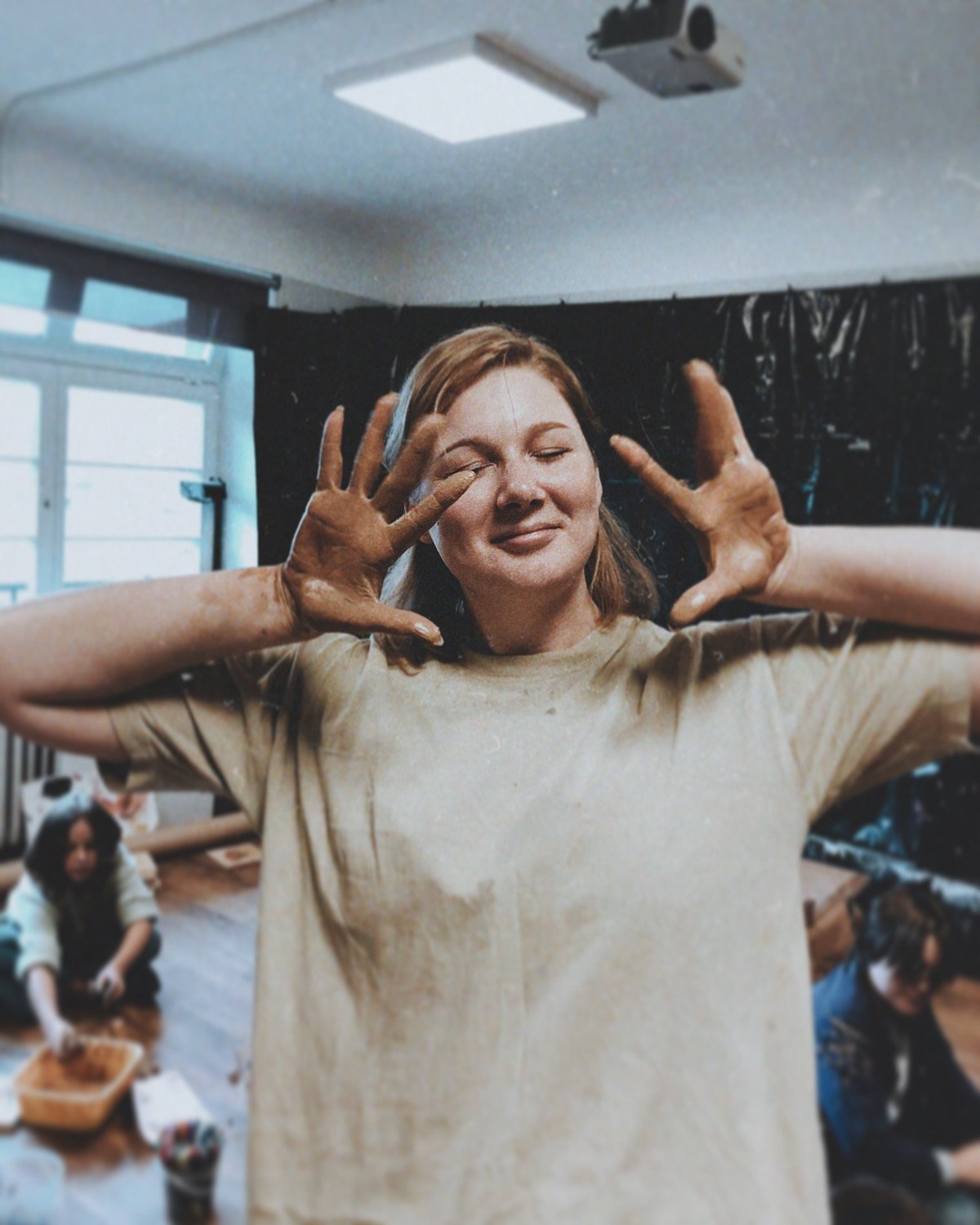
All mediums welcome! I honestly think I learned more from the year curriculum at LGEG than I did during a full year at Art Academy.
Teacher, teacher!
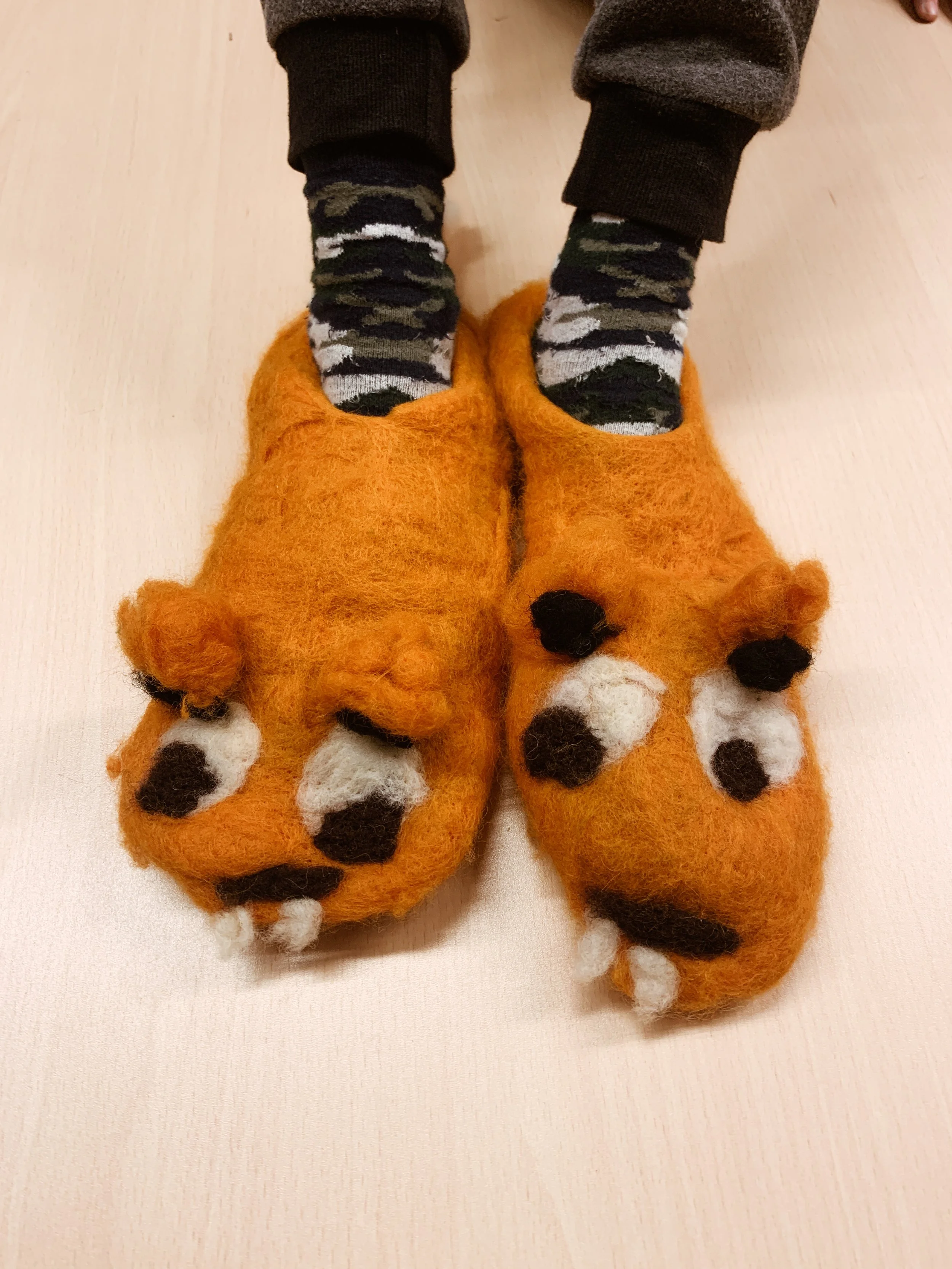
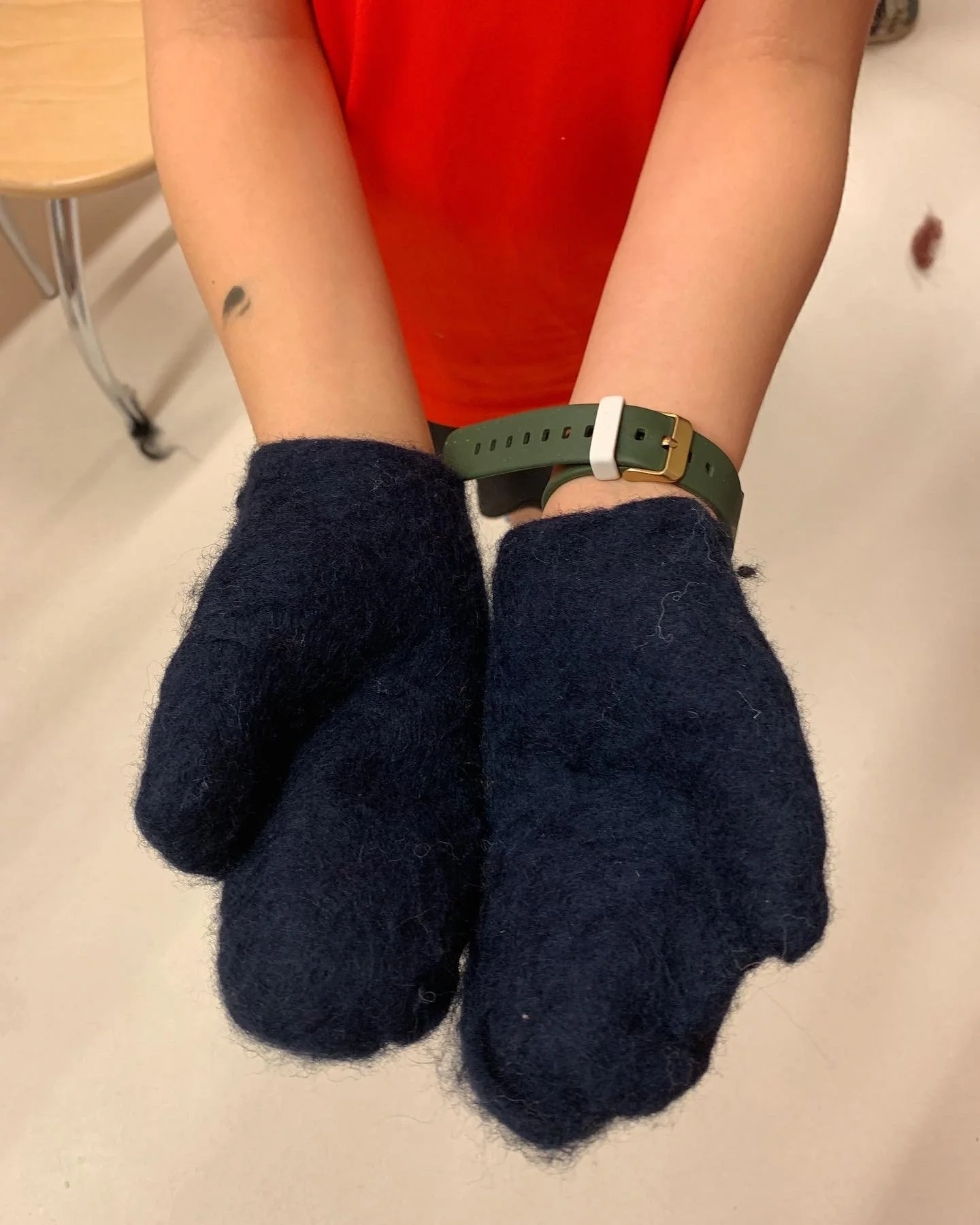
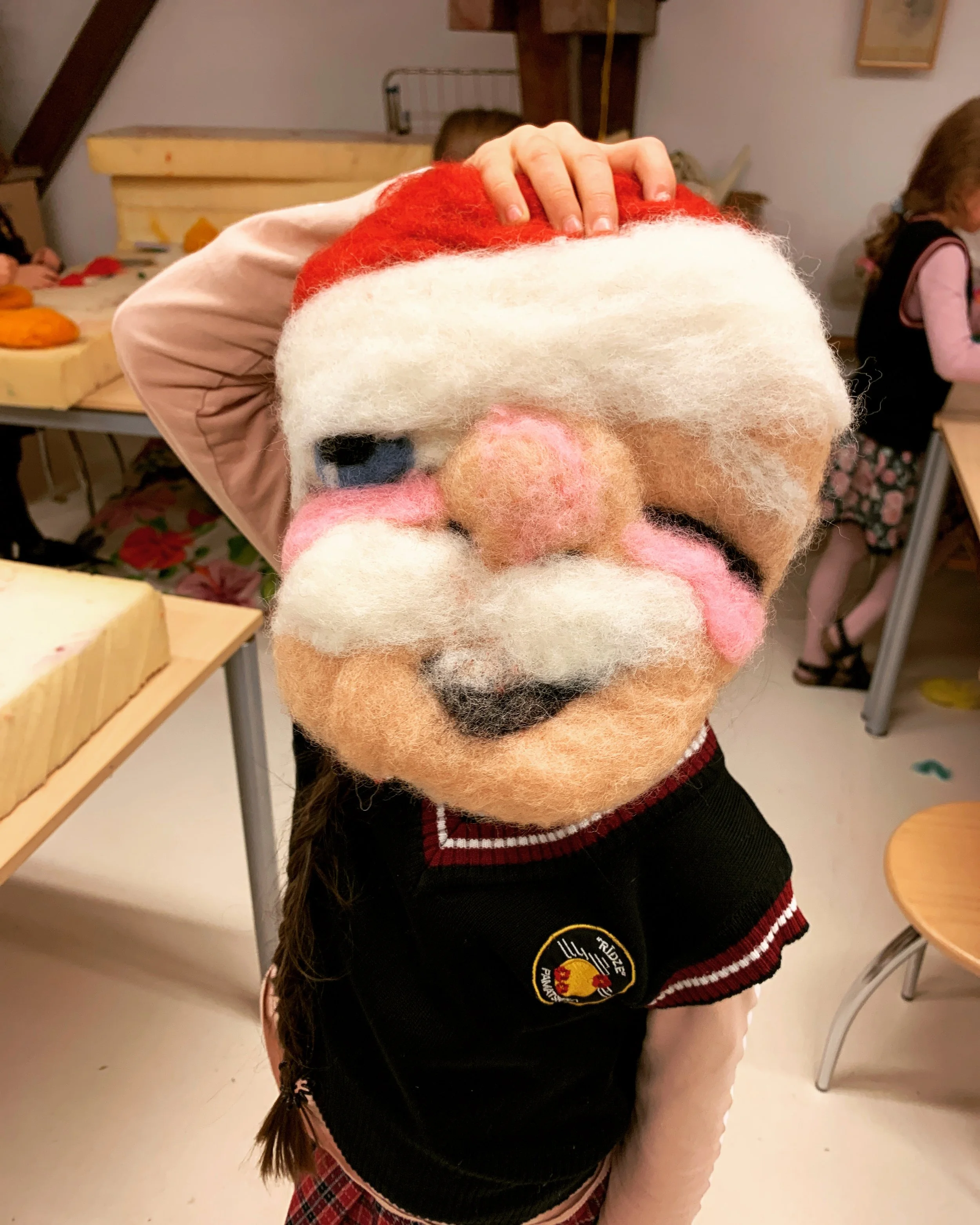
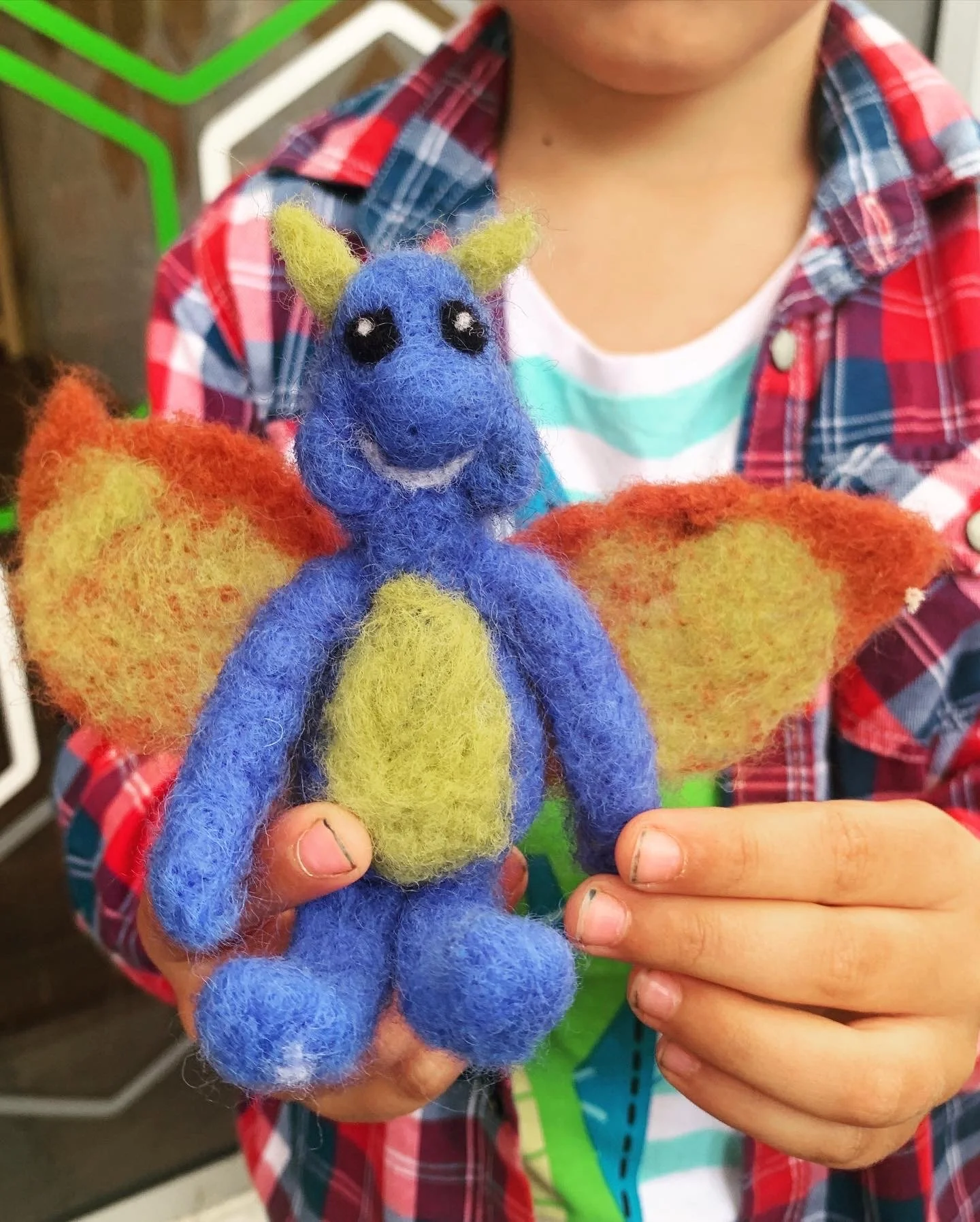
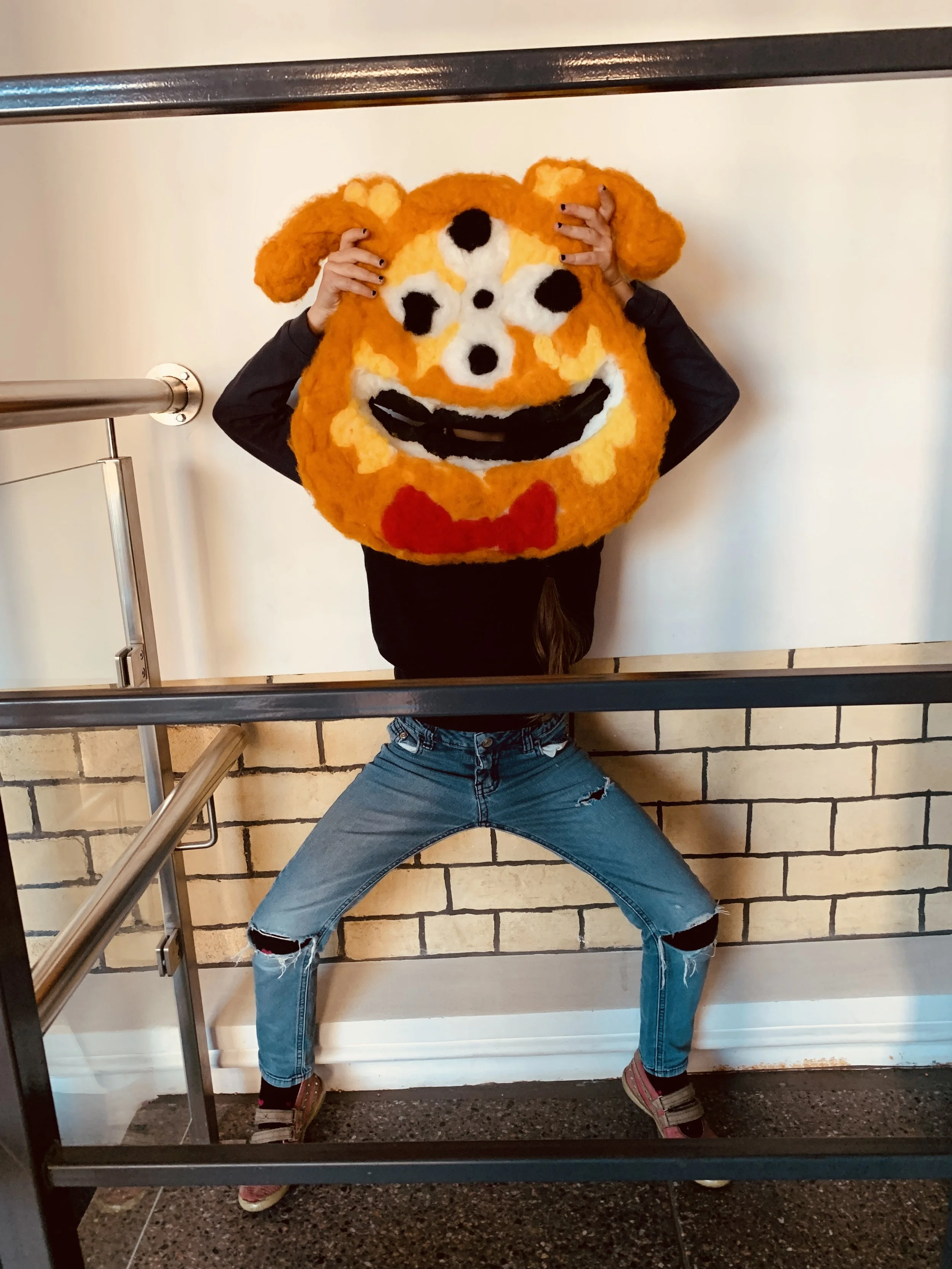
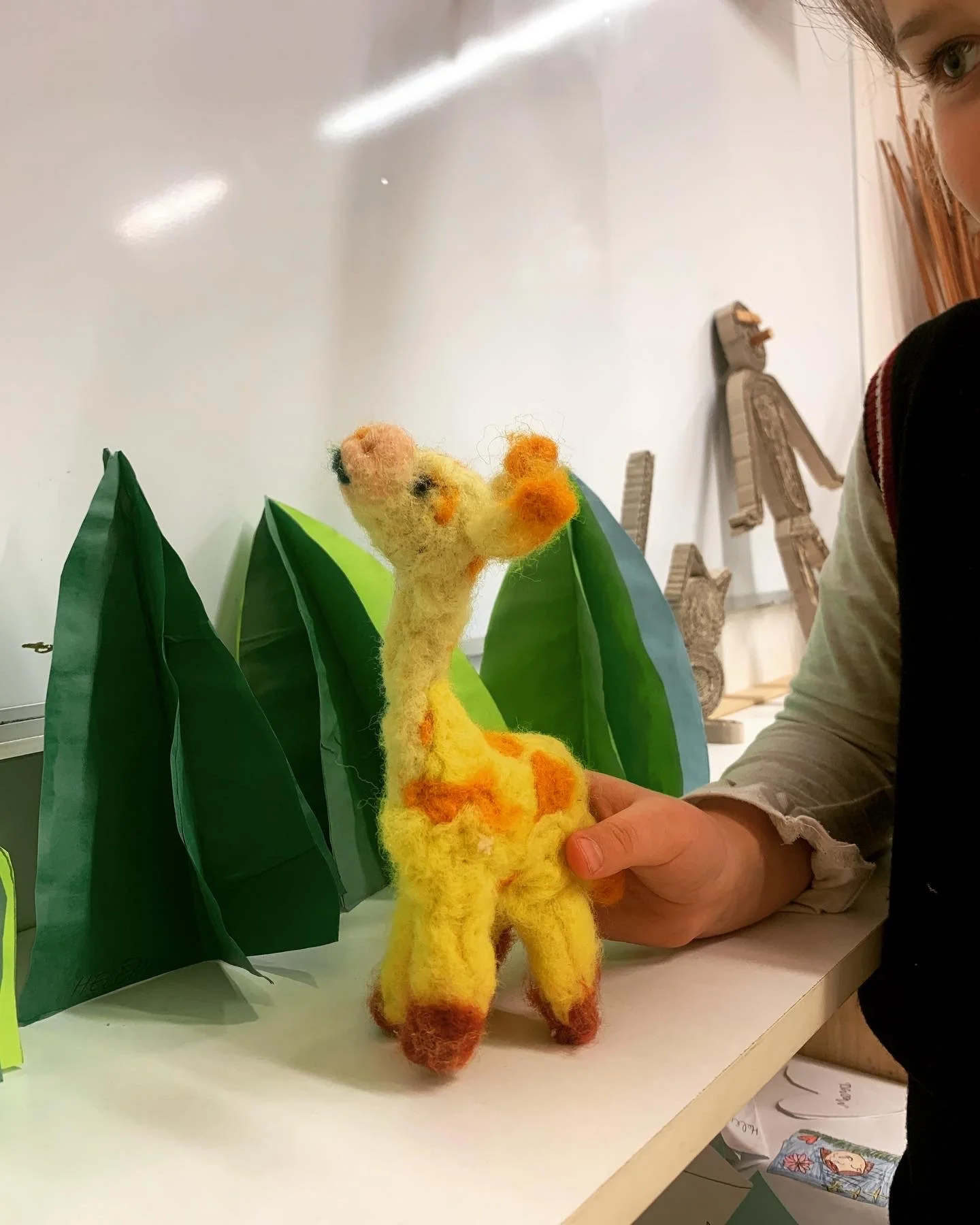
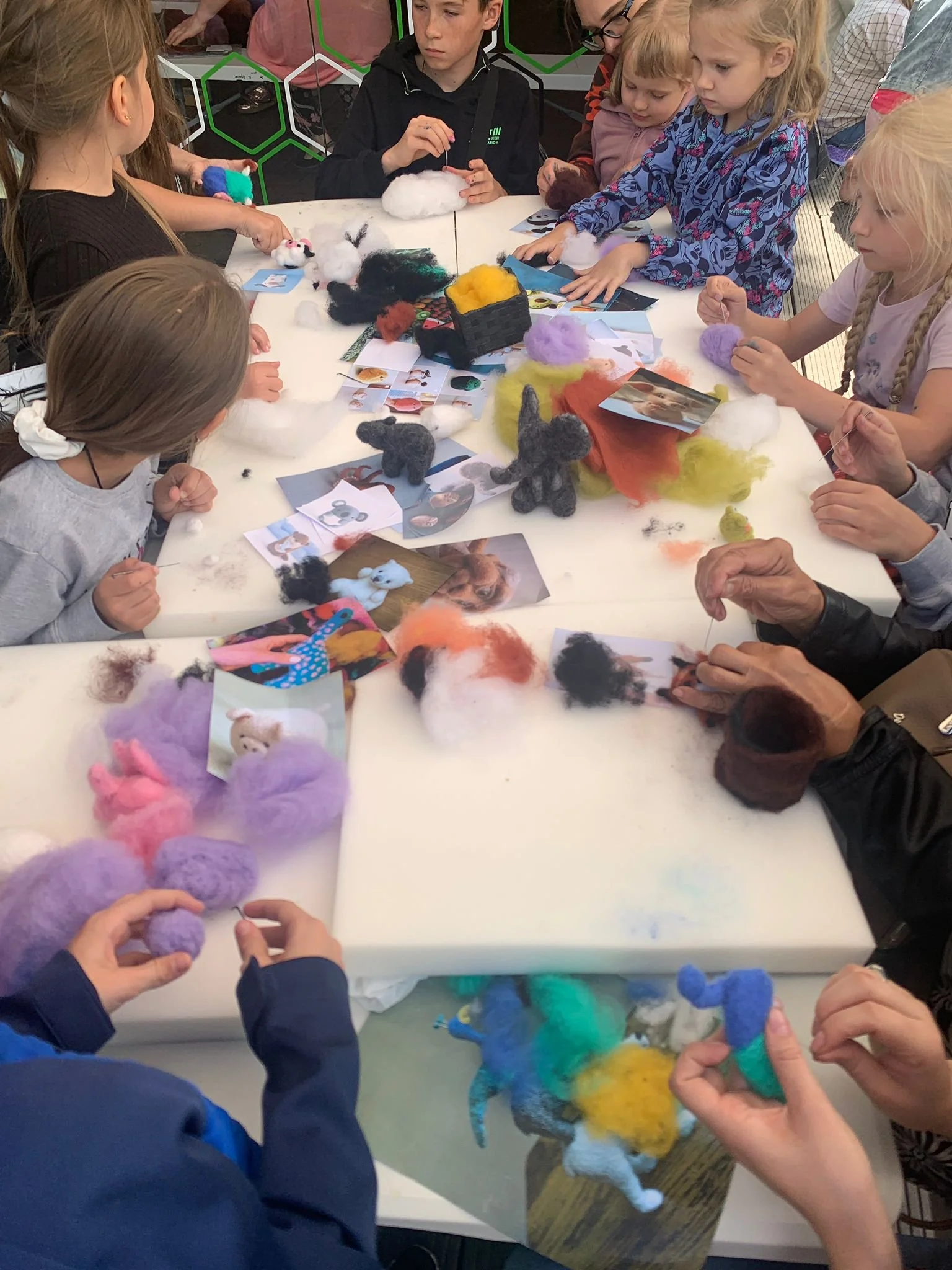
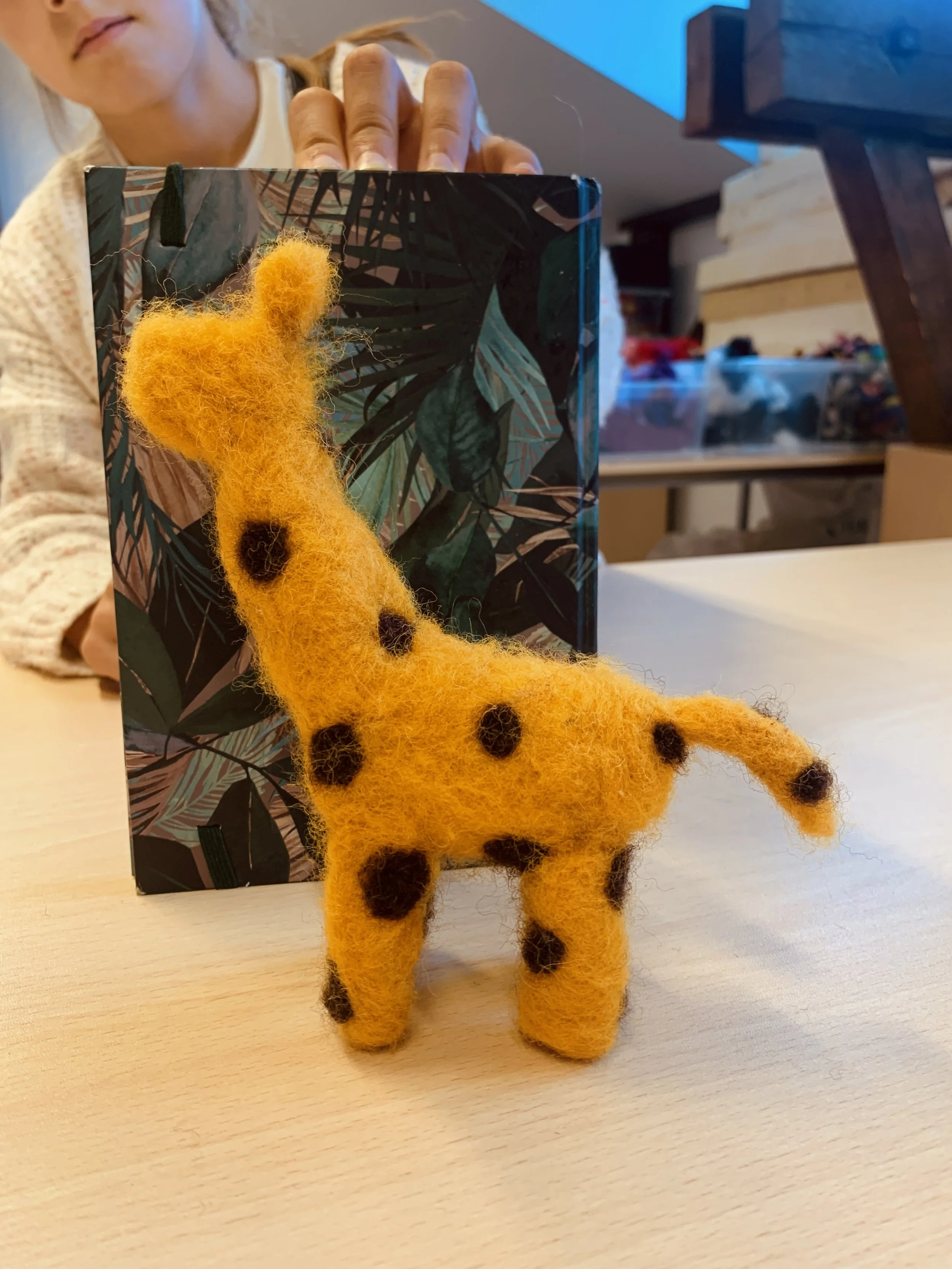
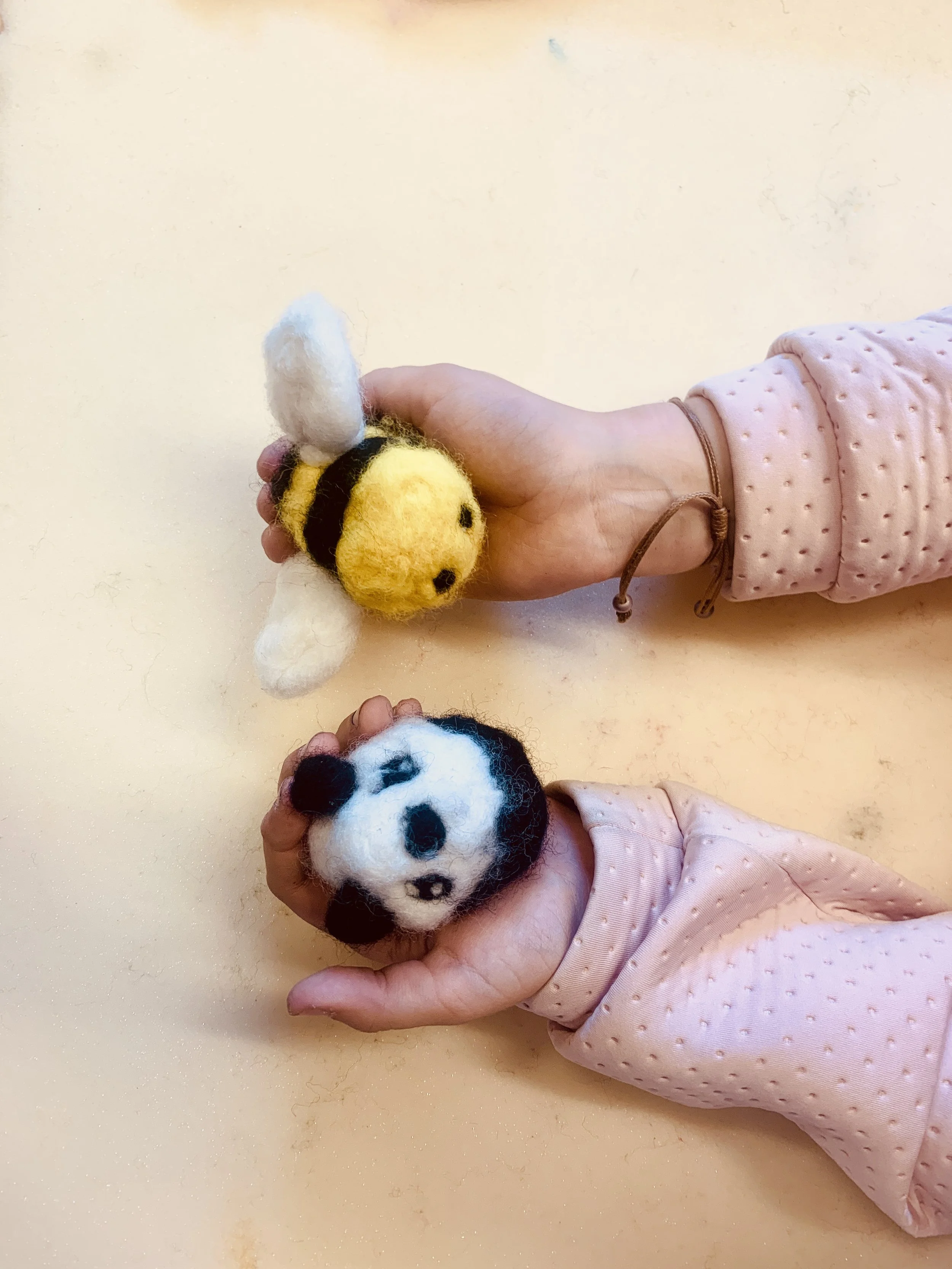
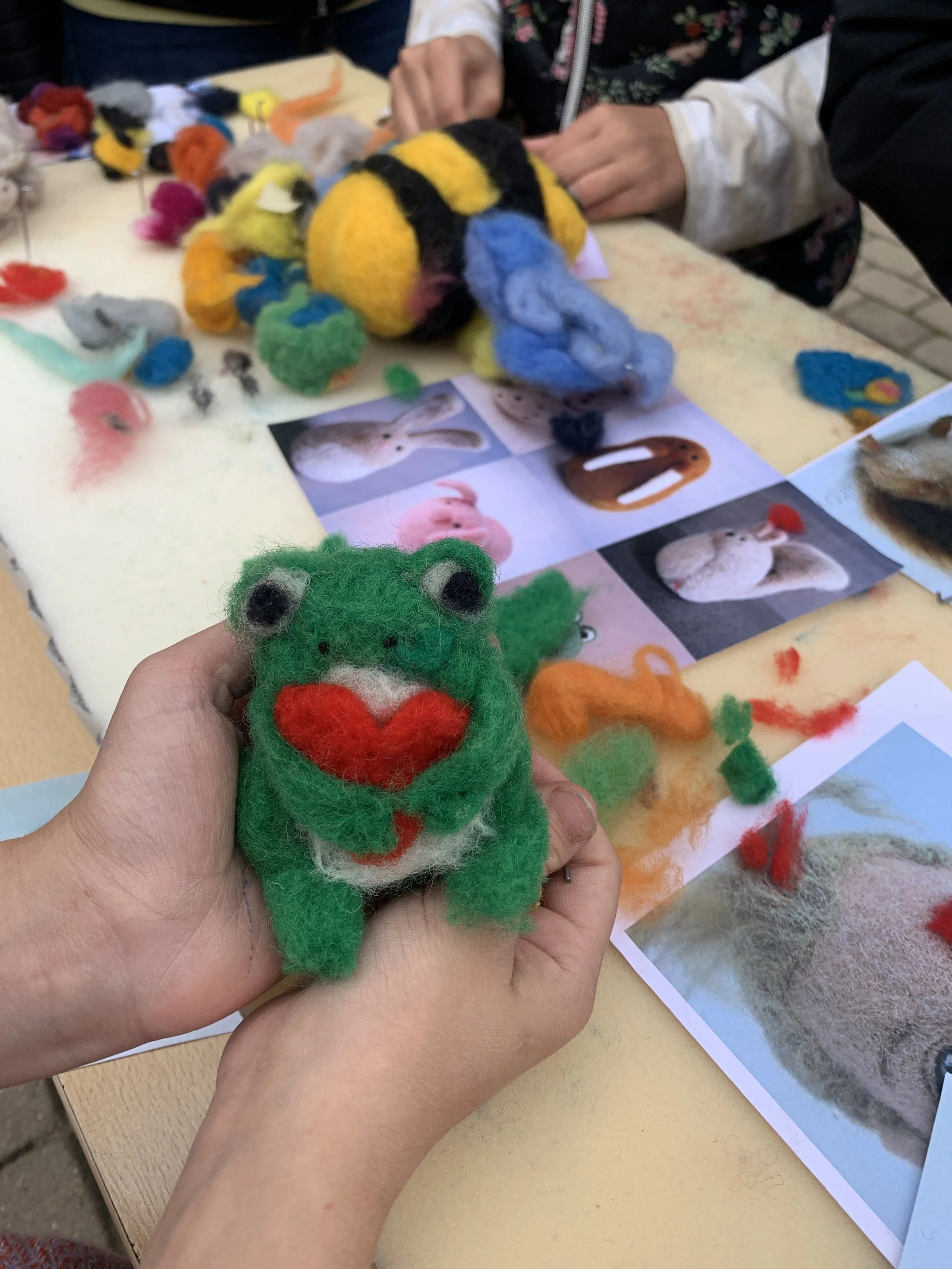
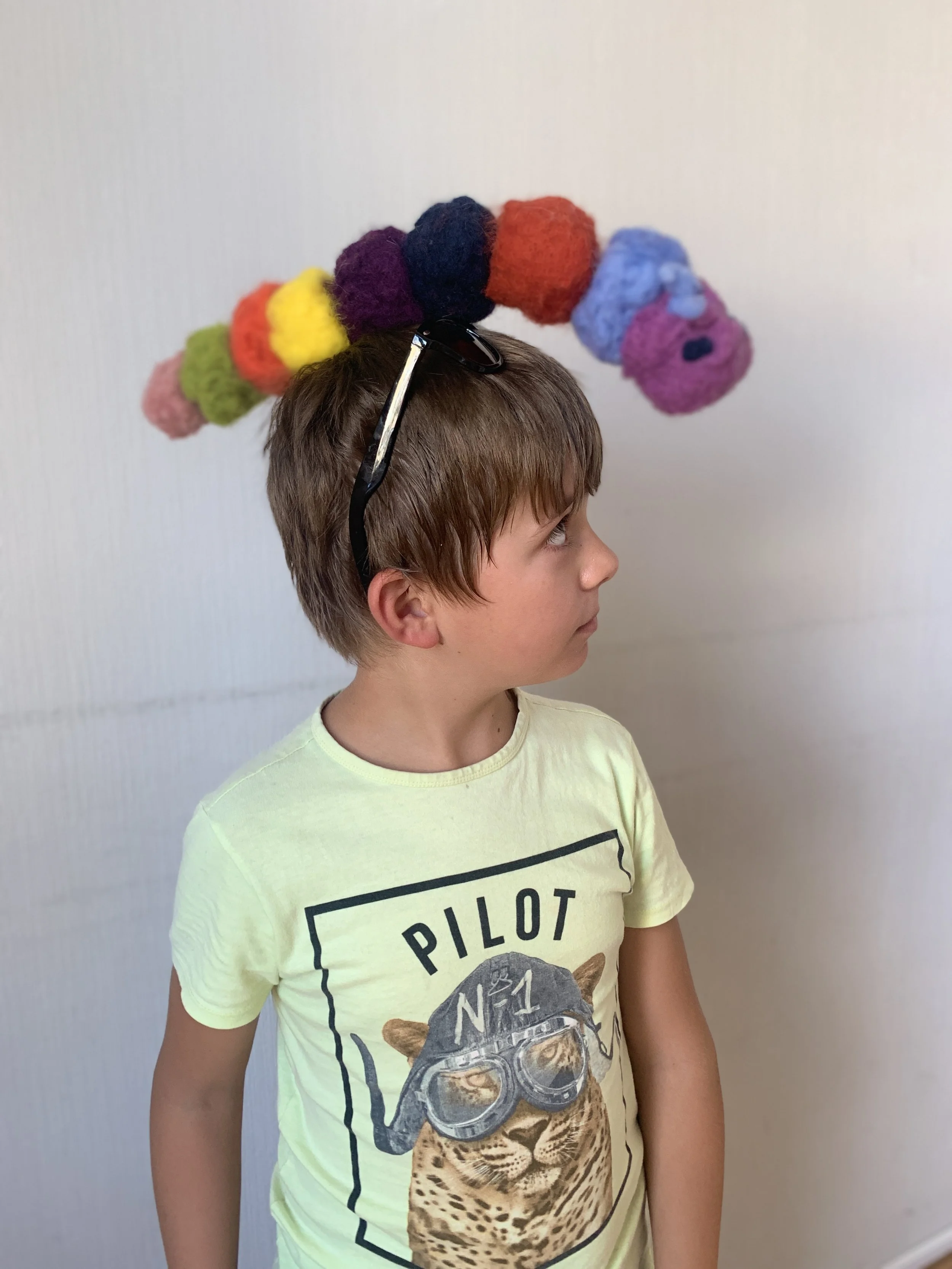
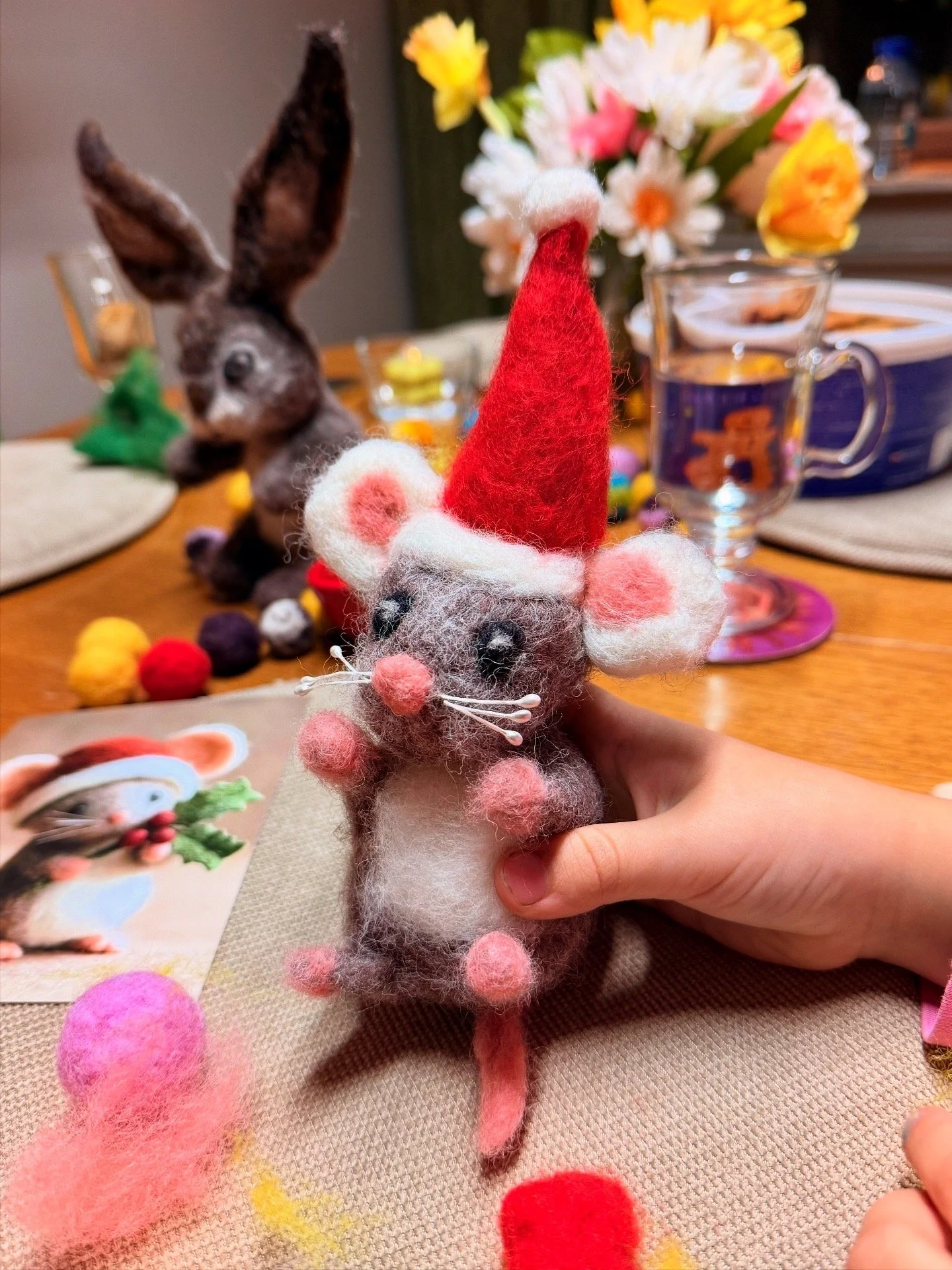
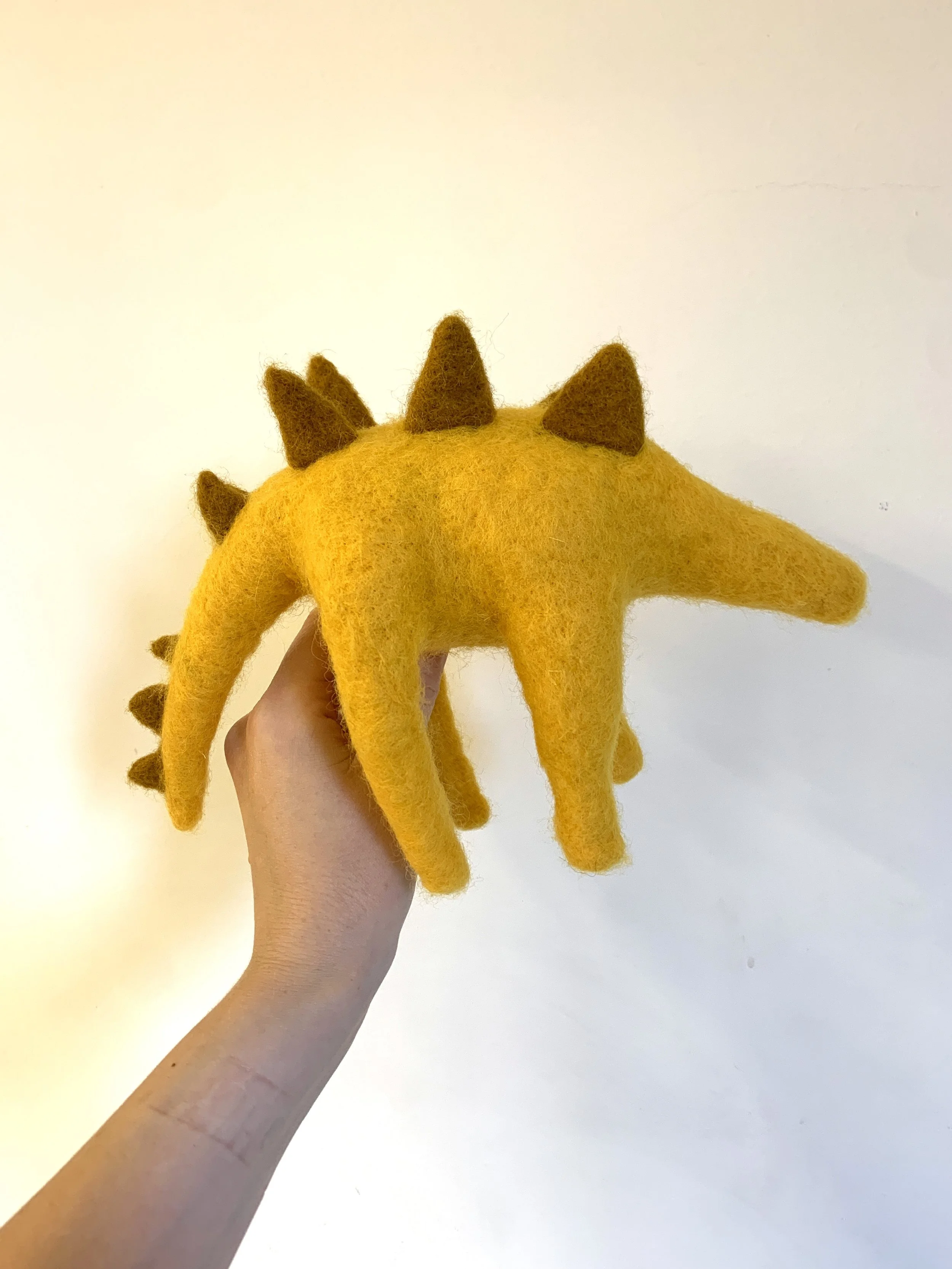
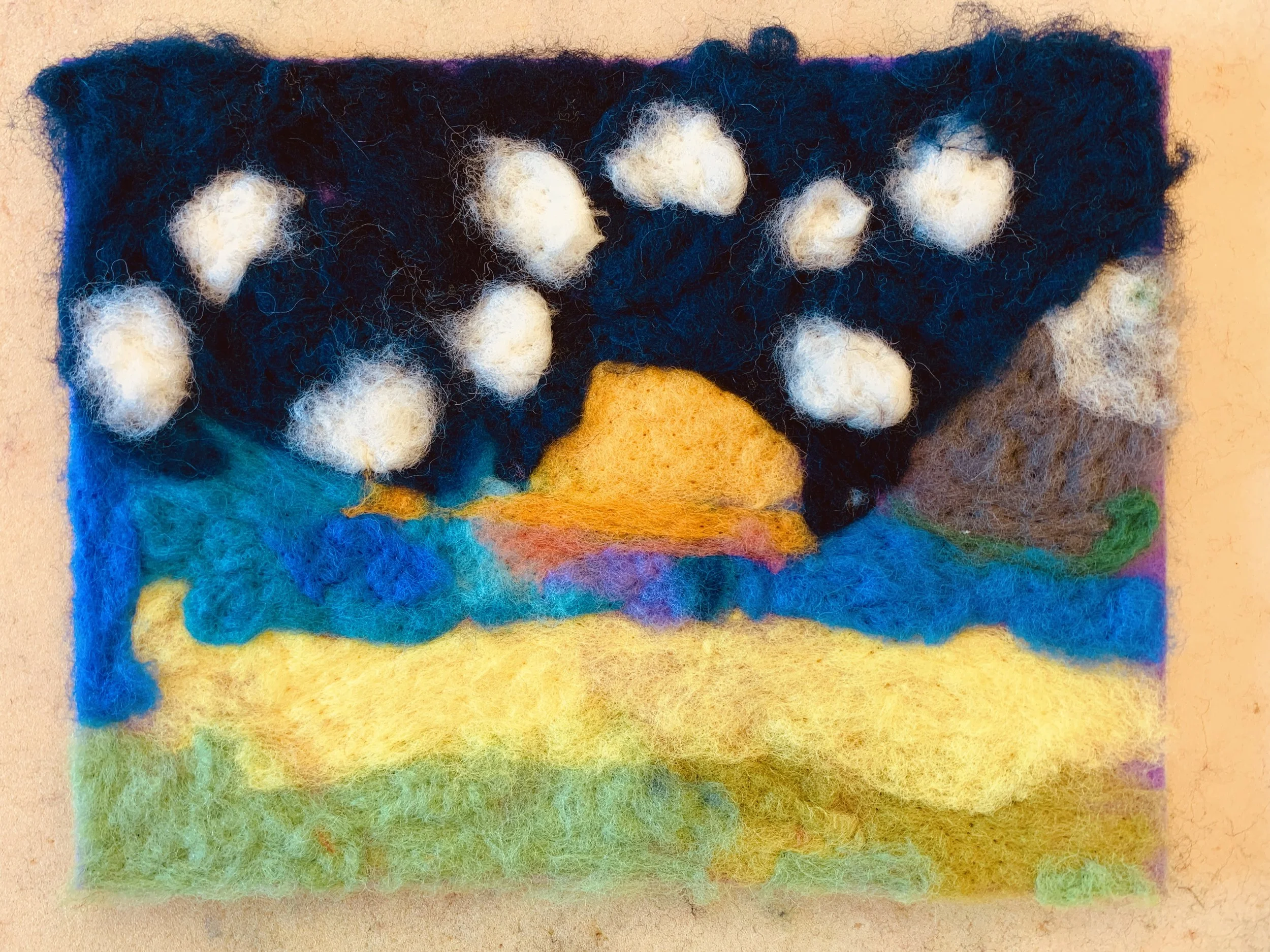
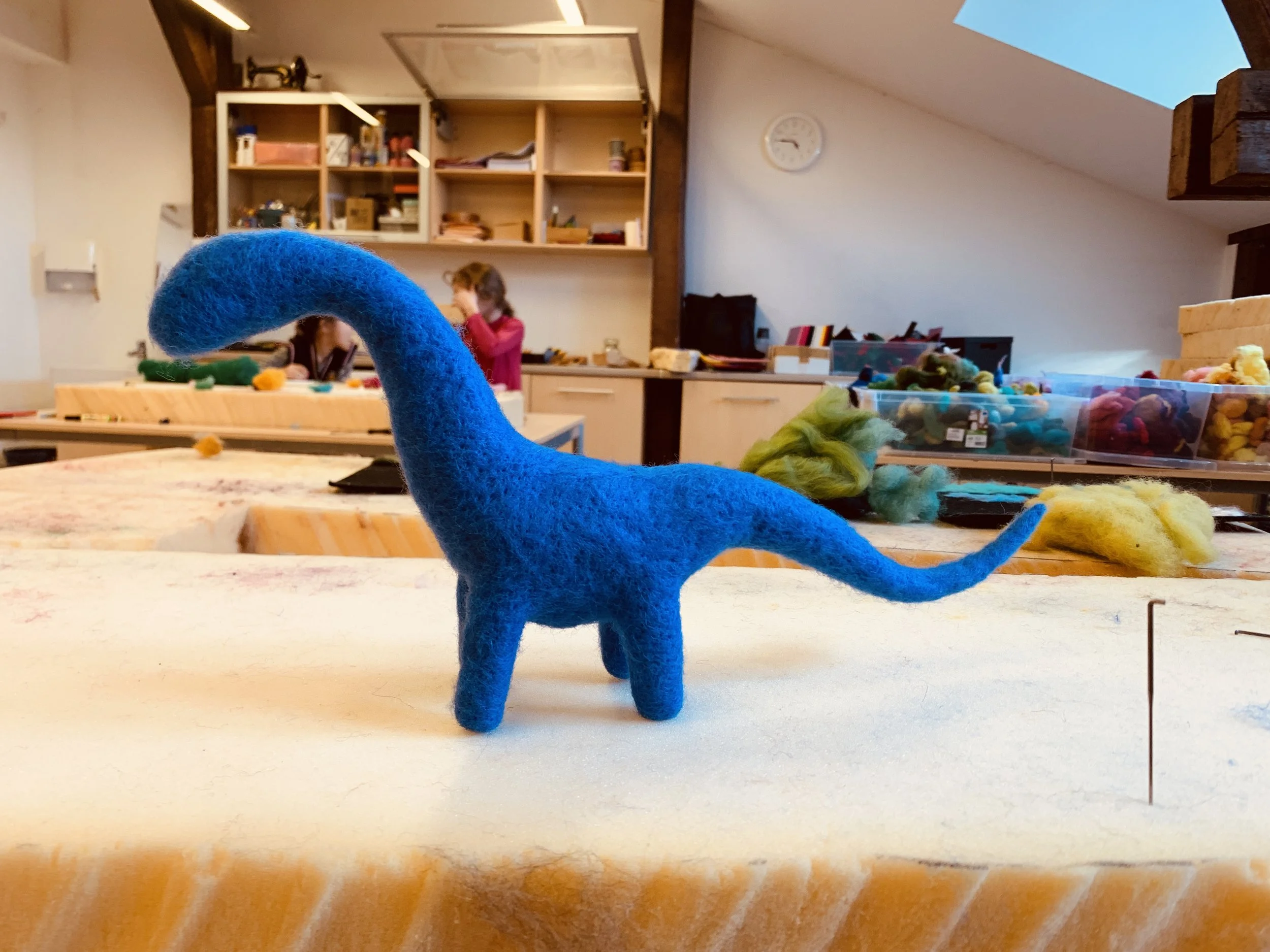
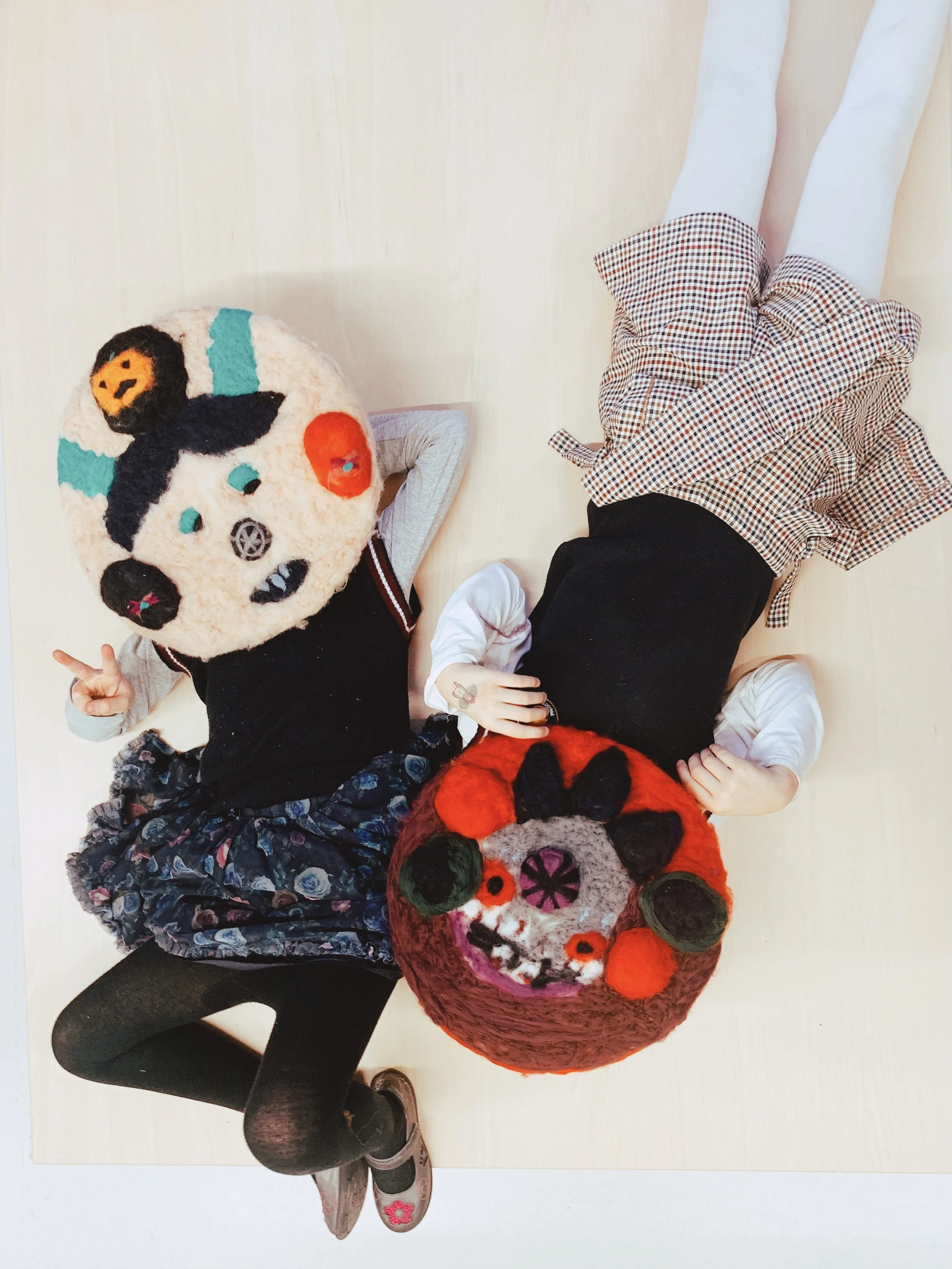
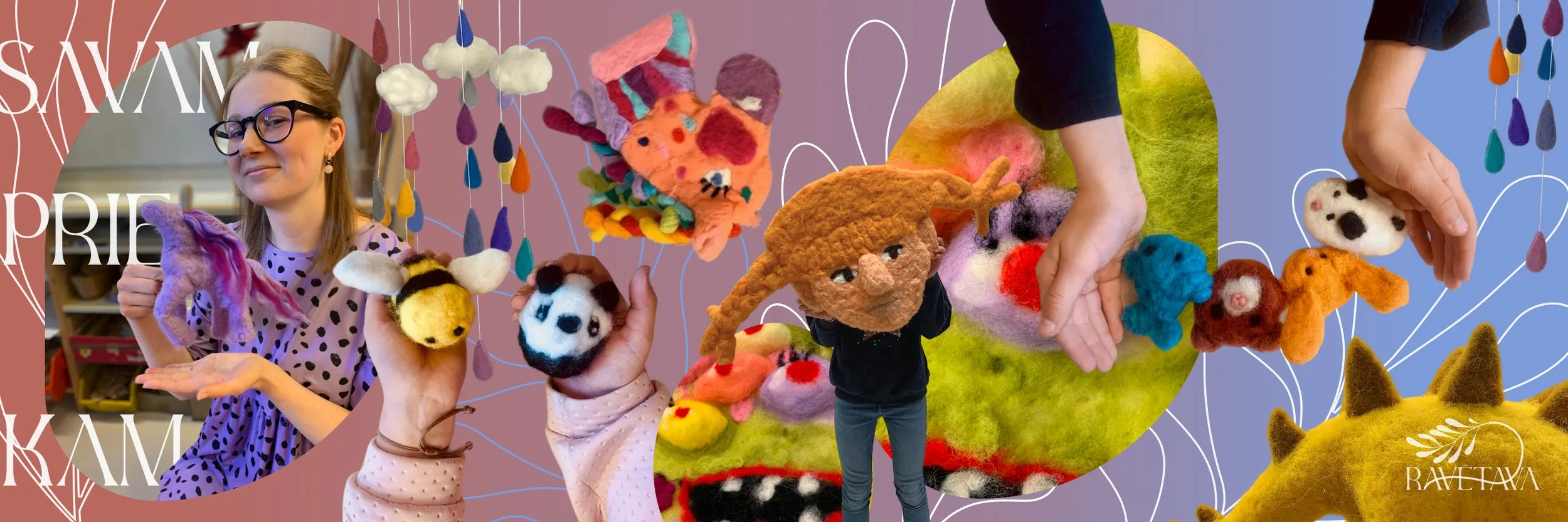
Alongside that, I taught an extracurricular wool-felting and design class — which, on paper, sounds like a craft hobby for kids. In practice, it was an early design thinking curriculum: we worked through concept, material constraints, storytelling, and what I'd now call textile engineering, just scaled for ten-year-olds. One of the projects, "Cirks," placed 3rd nationally at a teaching methodology competition. In summer 2022, I also volunteered teaching displaced Ukrainian children — a different kind of lesson in designing for people who need clarity and calm more than anything else.
If you've ever tried to explain an interaction pattern to a stakeholder who's convinced their idea is intuitive: teaching design logic to a room of eight-year-olds is harder, and it's where I actually learned to simplify without dumbing down.
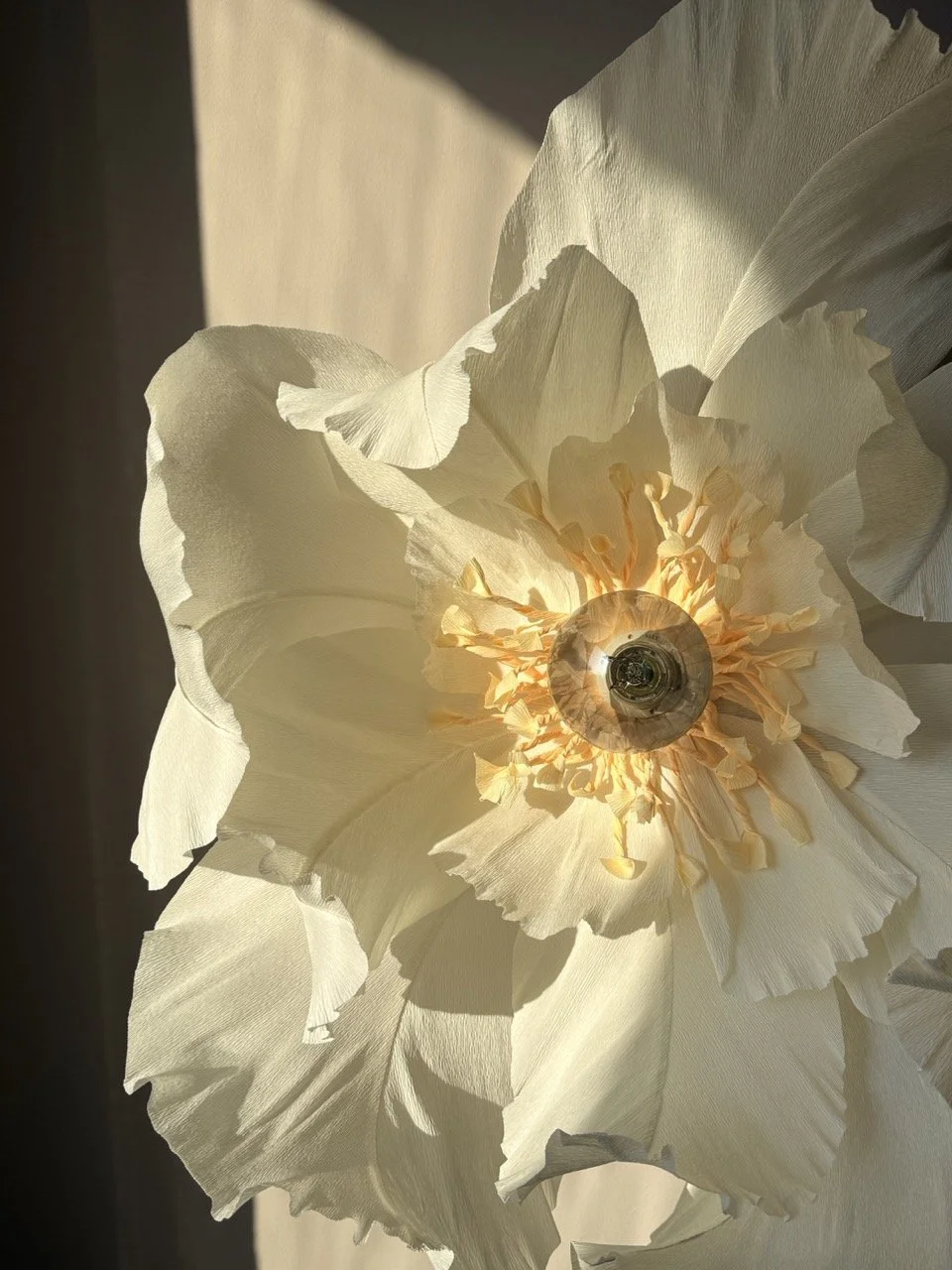
The studio now — and The Dream
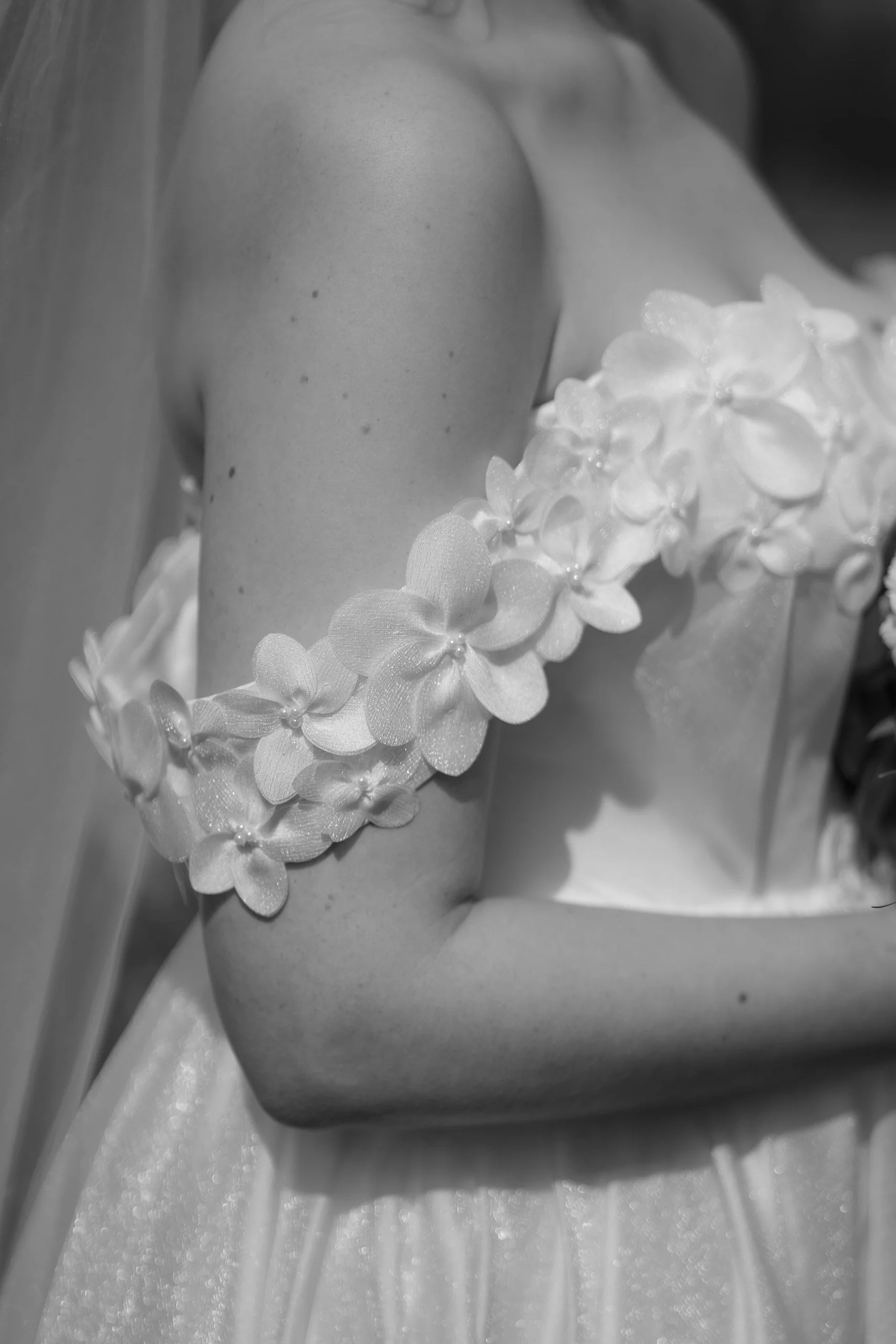
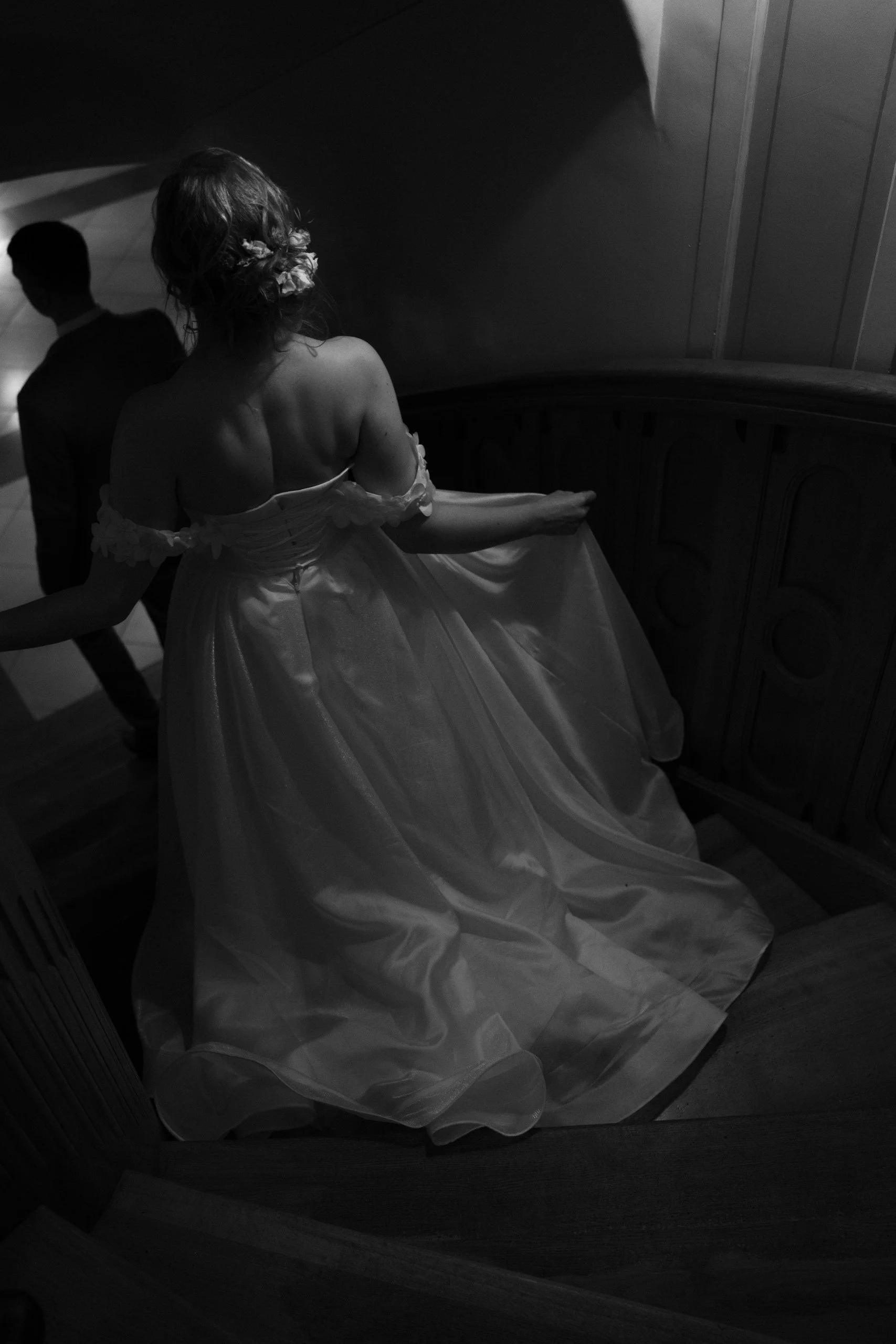
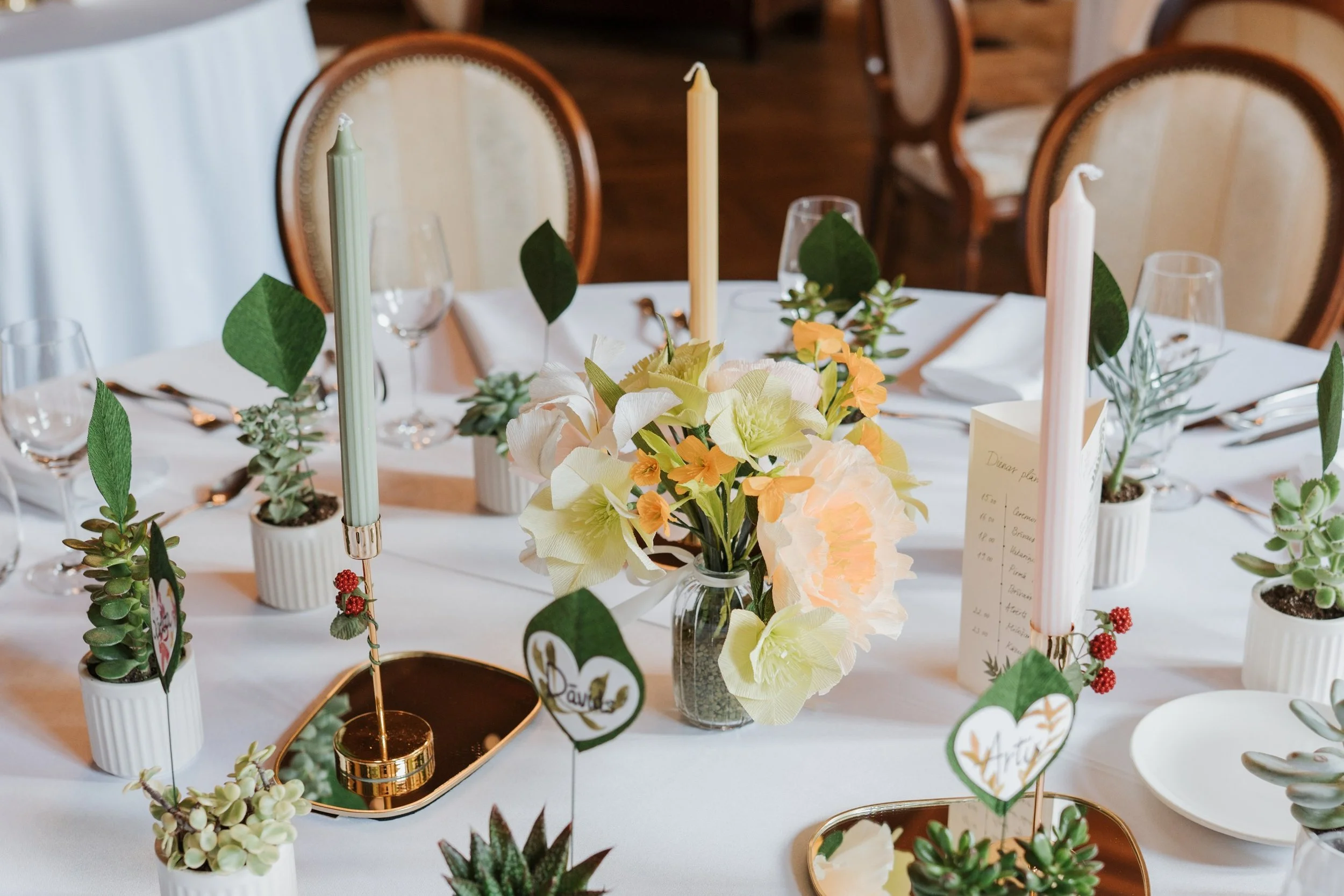
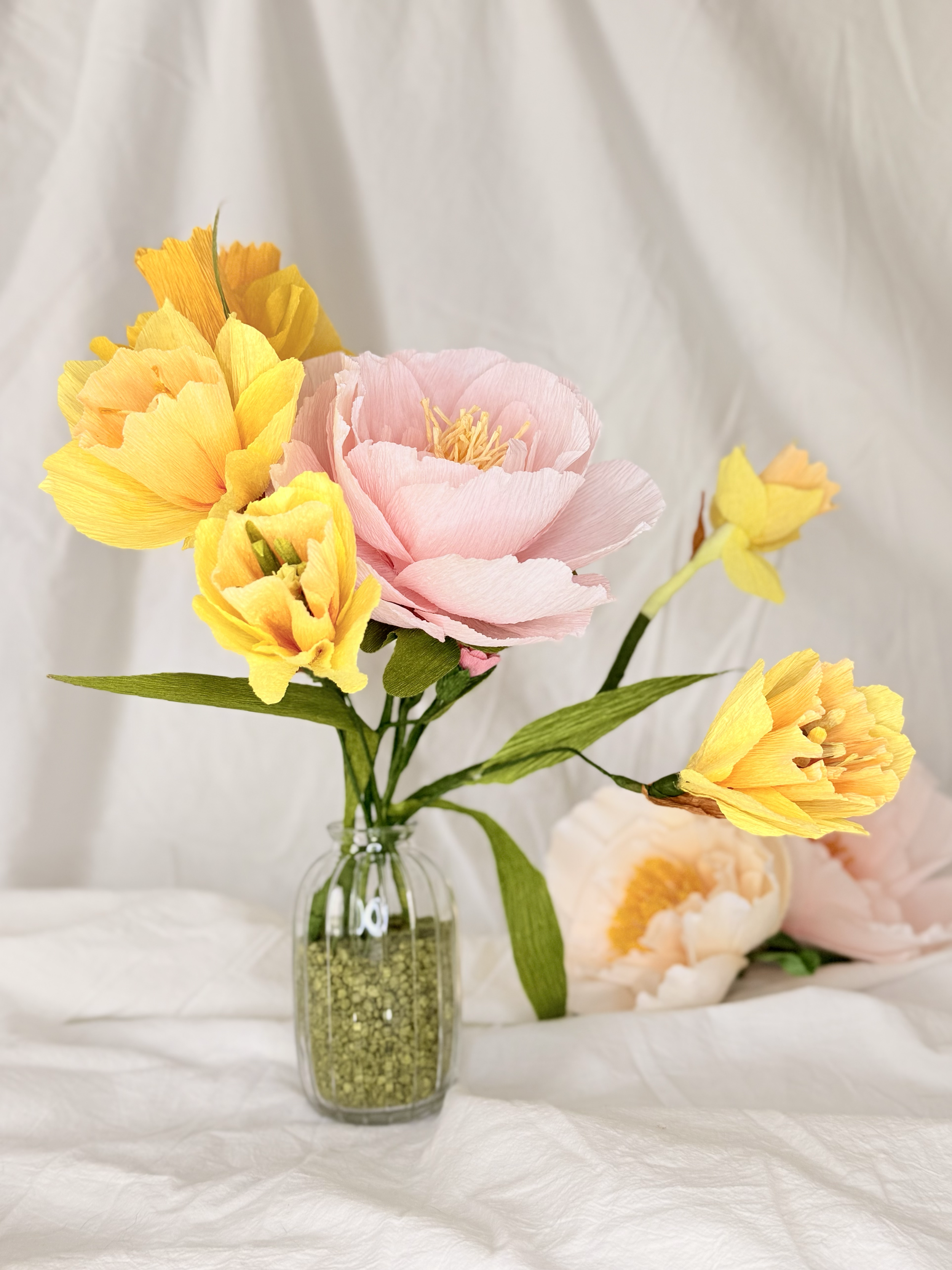
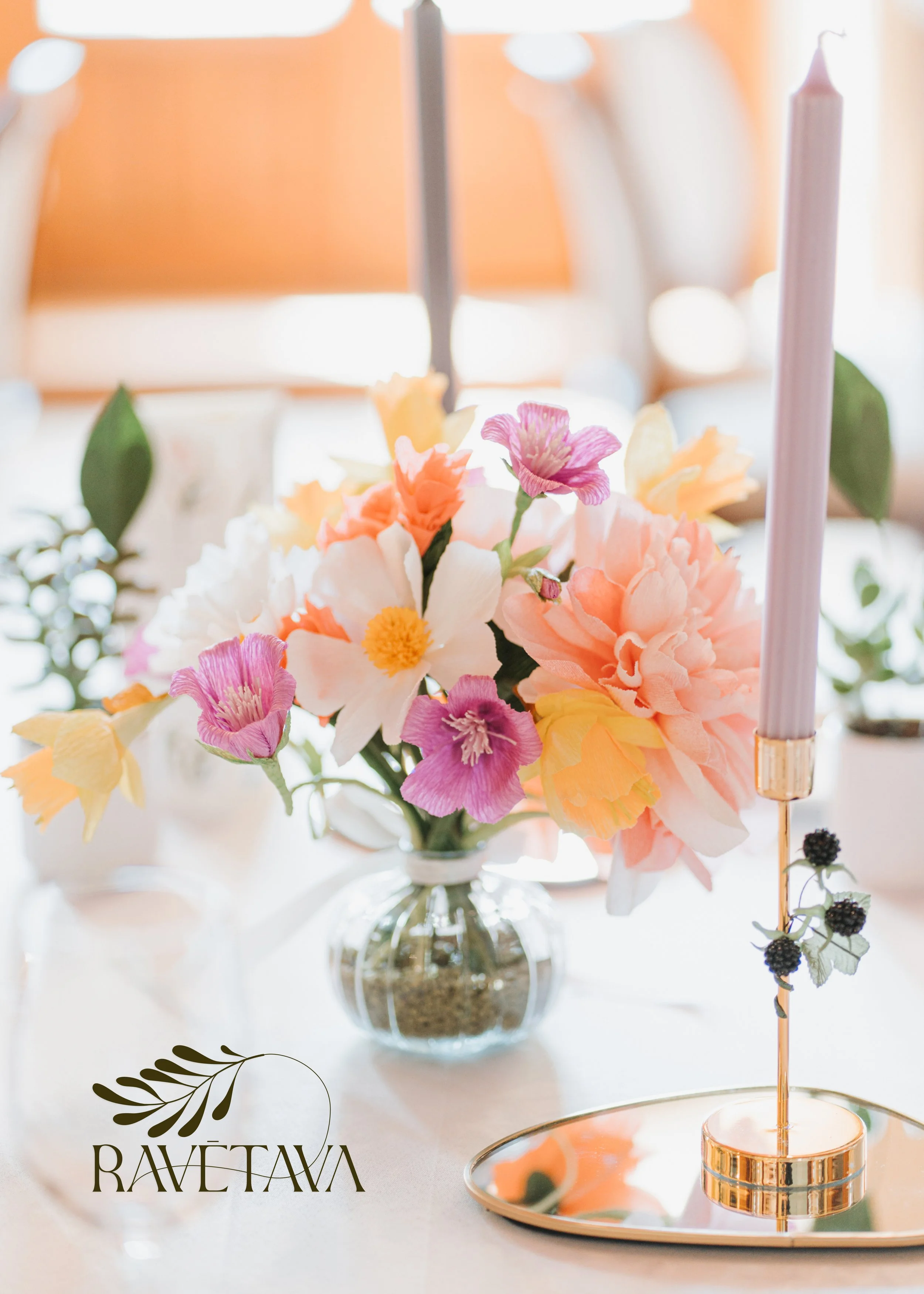
It actually started with a wedding — my own. I wanted something on that day that no one else could buy or replicate, so I made my own paper flowers. Something special, made by hand, for the one day that deserved it. The flowers didn't wilt, and neither did the habit — I kept making them.
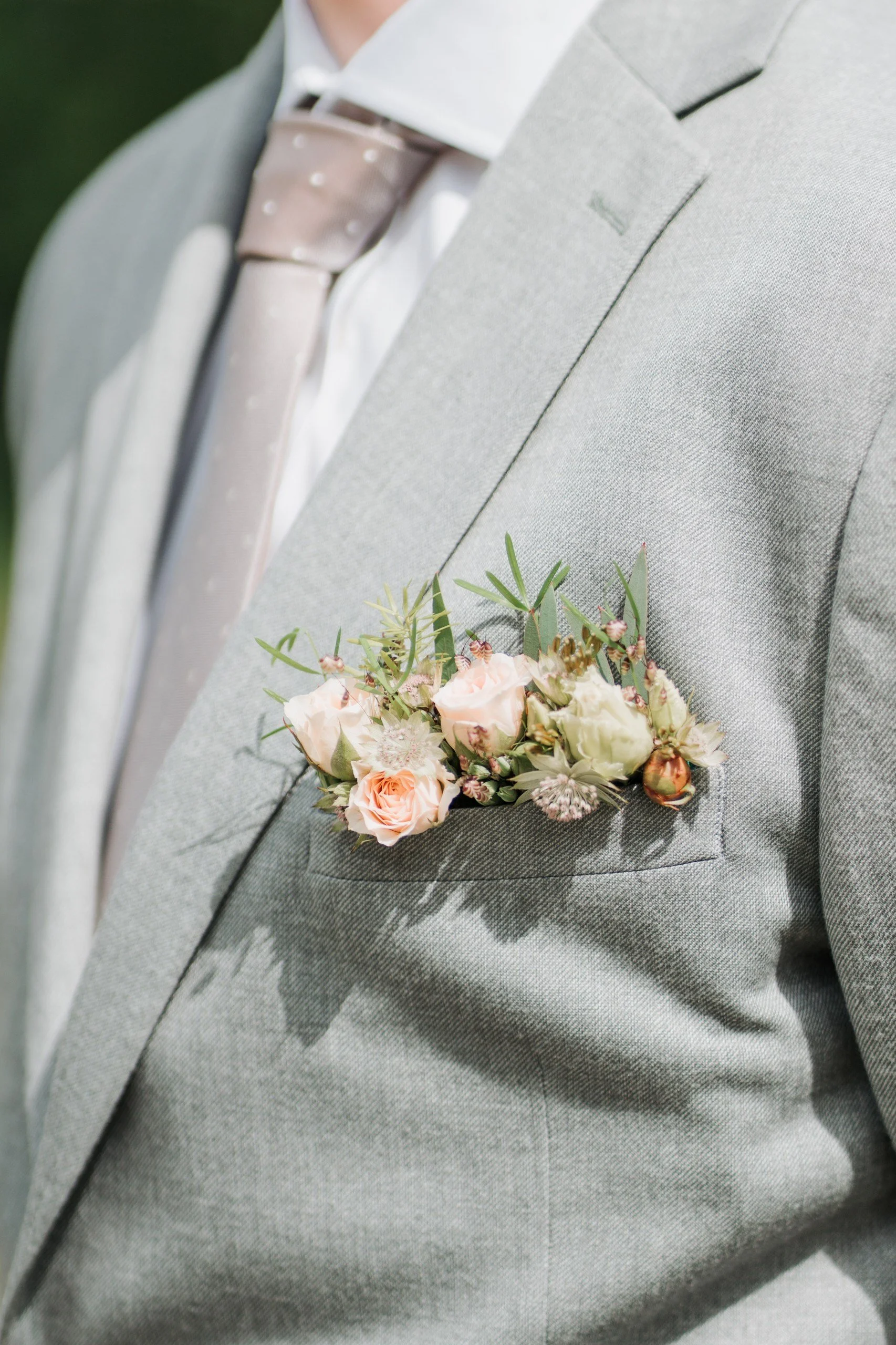

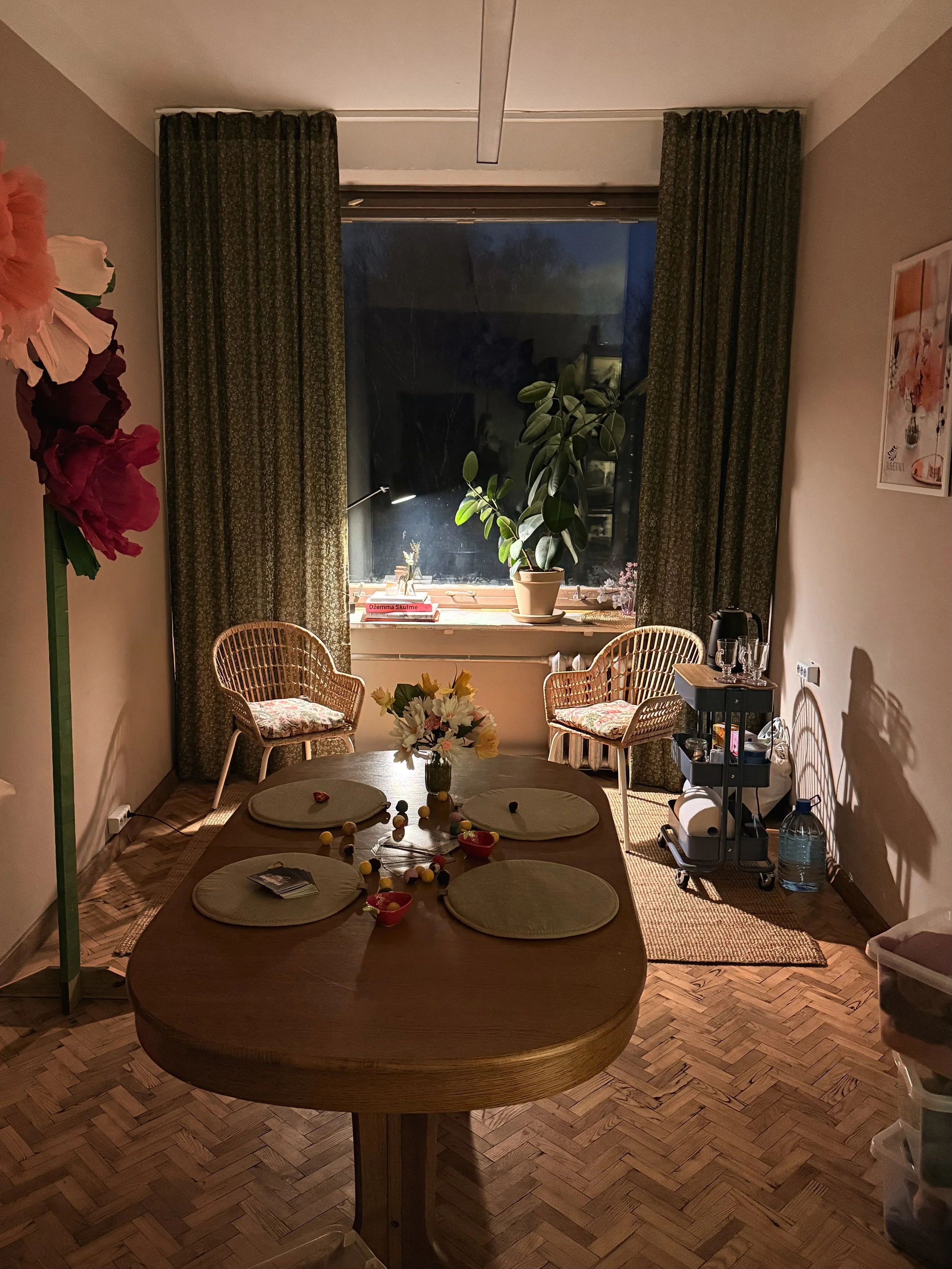
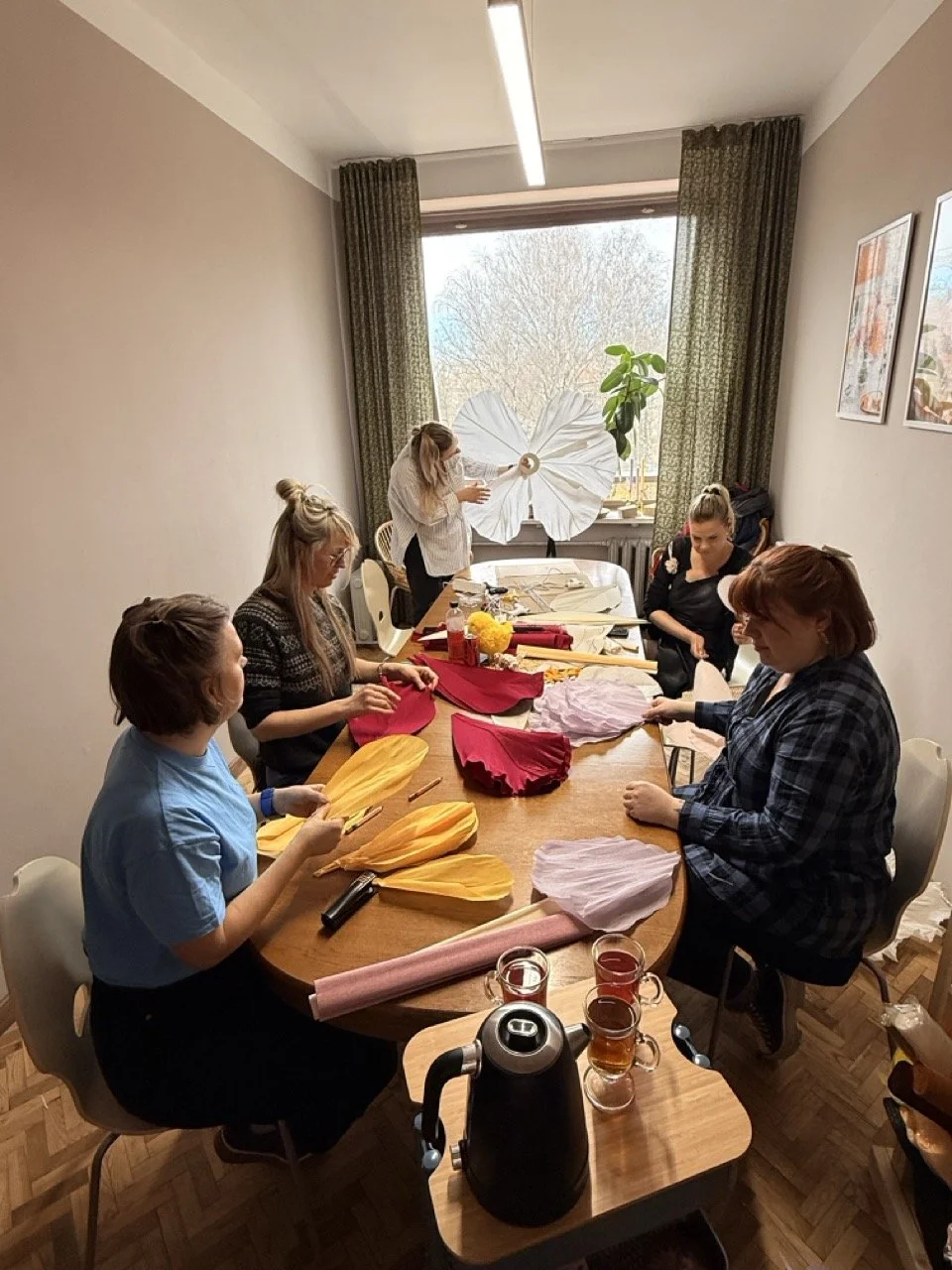
A little room with big windows, and permission to make a mess.
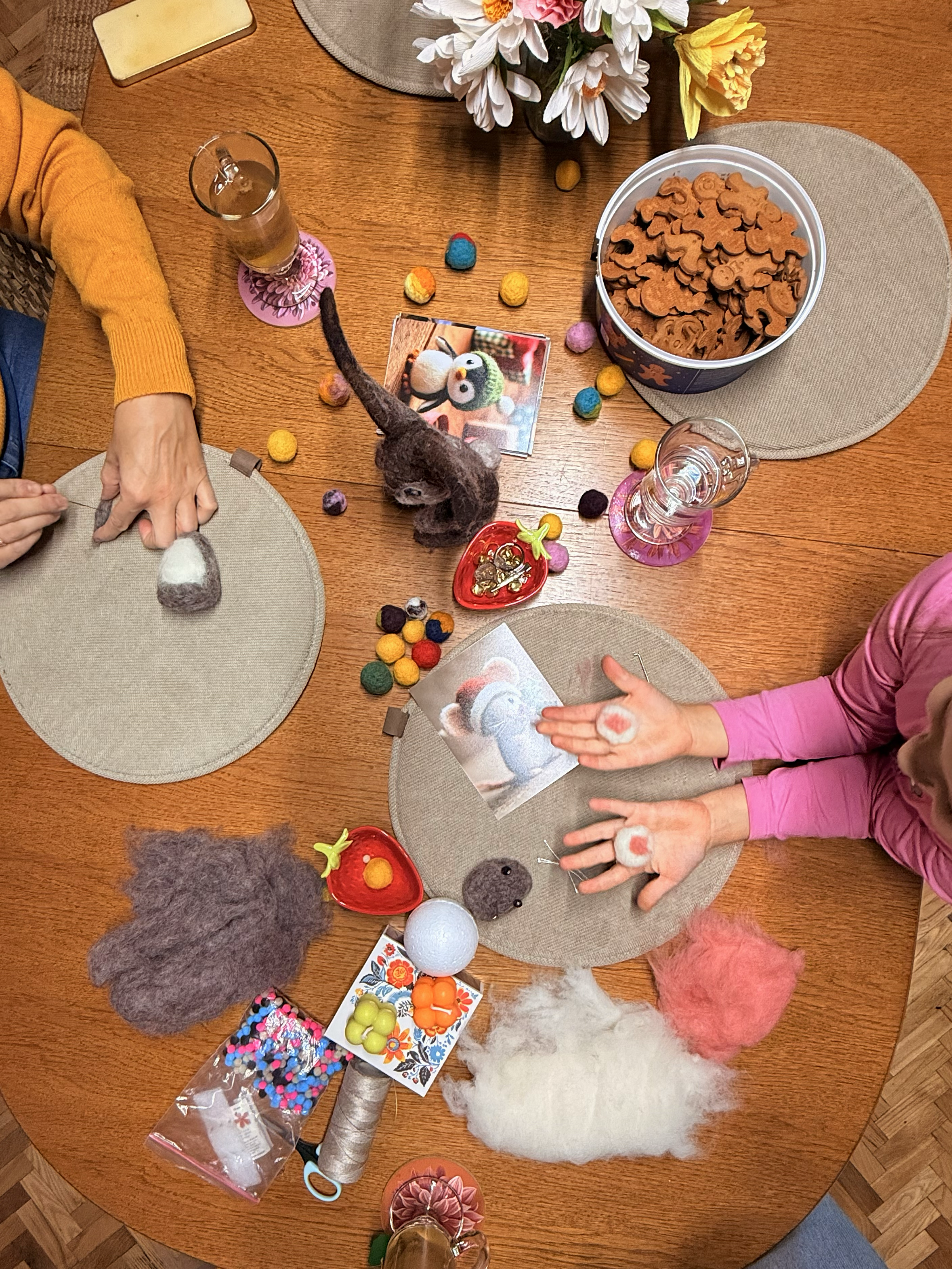
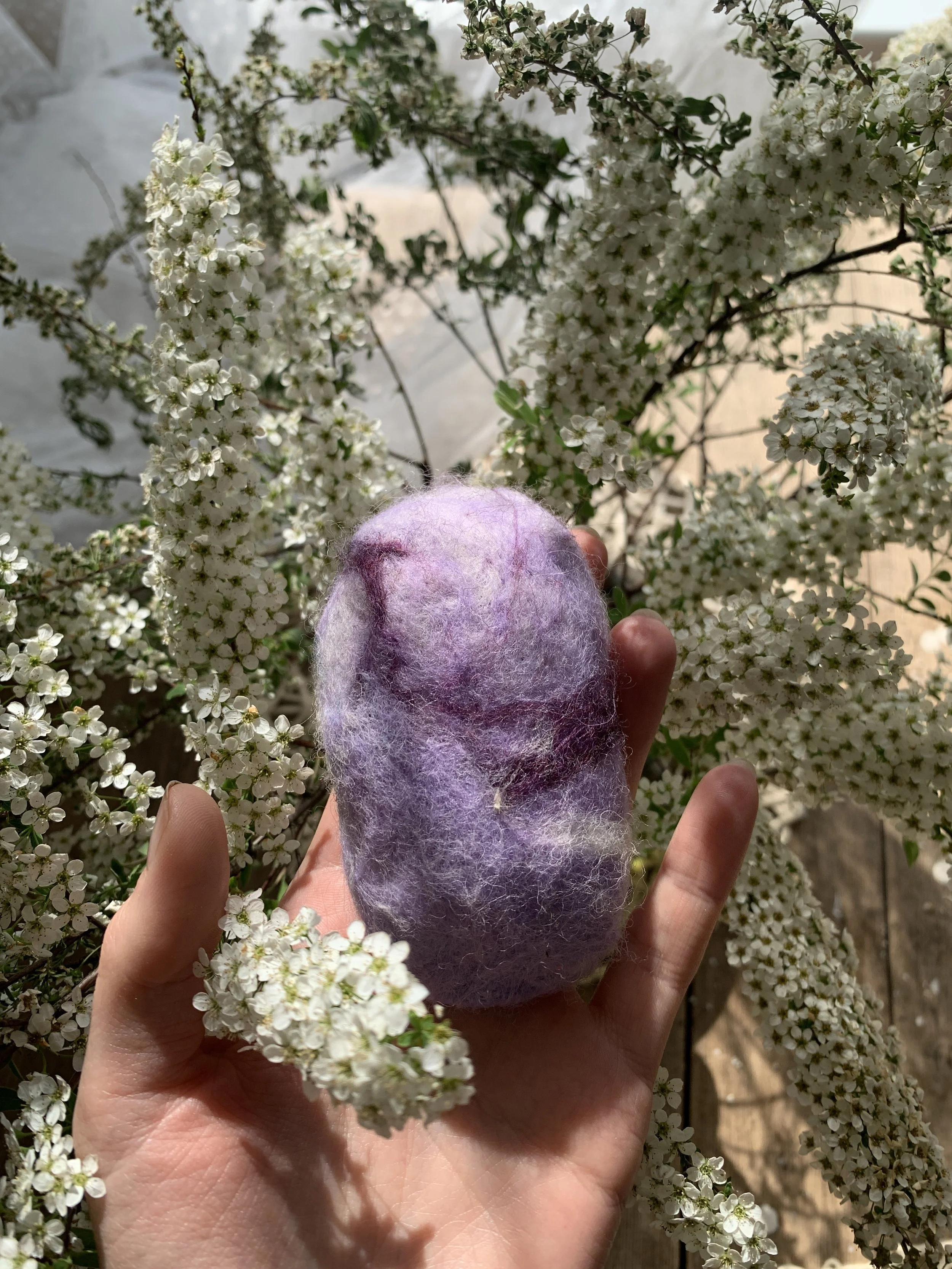
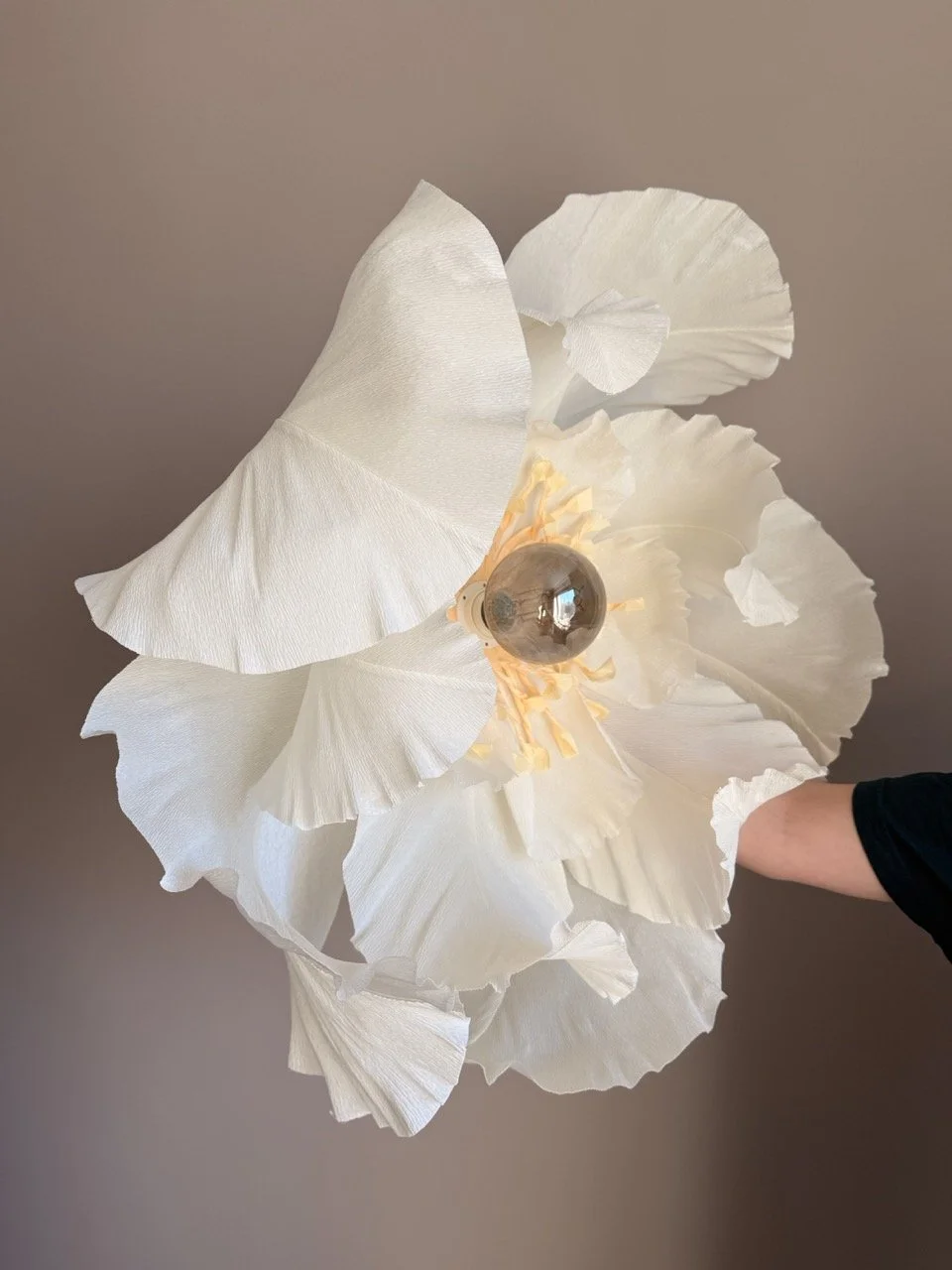
Between 2025 and 2026, I founded and ran Ravētava as an independent studio — paper-flower and wool-felting masterclasses, taught from the ground up: curriculum, creative direction, materials, the business side of it, all mine to build.
The long-term dream is a physical space — a small studio on a street with large windows, where anyone can walk in after a hard day, sit down, and leave some of it behind. No skill required, no "I'm not creative" excuses accepted. Just paper or wool, glue, and an hour of not thinking about anything else.
It's the same instinct that drives my UX work, really: strip away what's making someone anxious, and design something that lets them breathe. I just get to do it more literally with crepe paper.
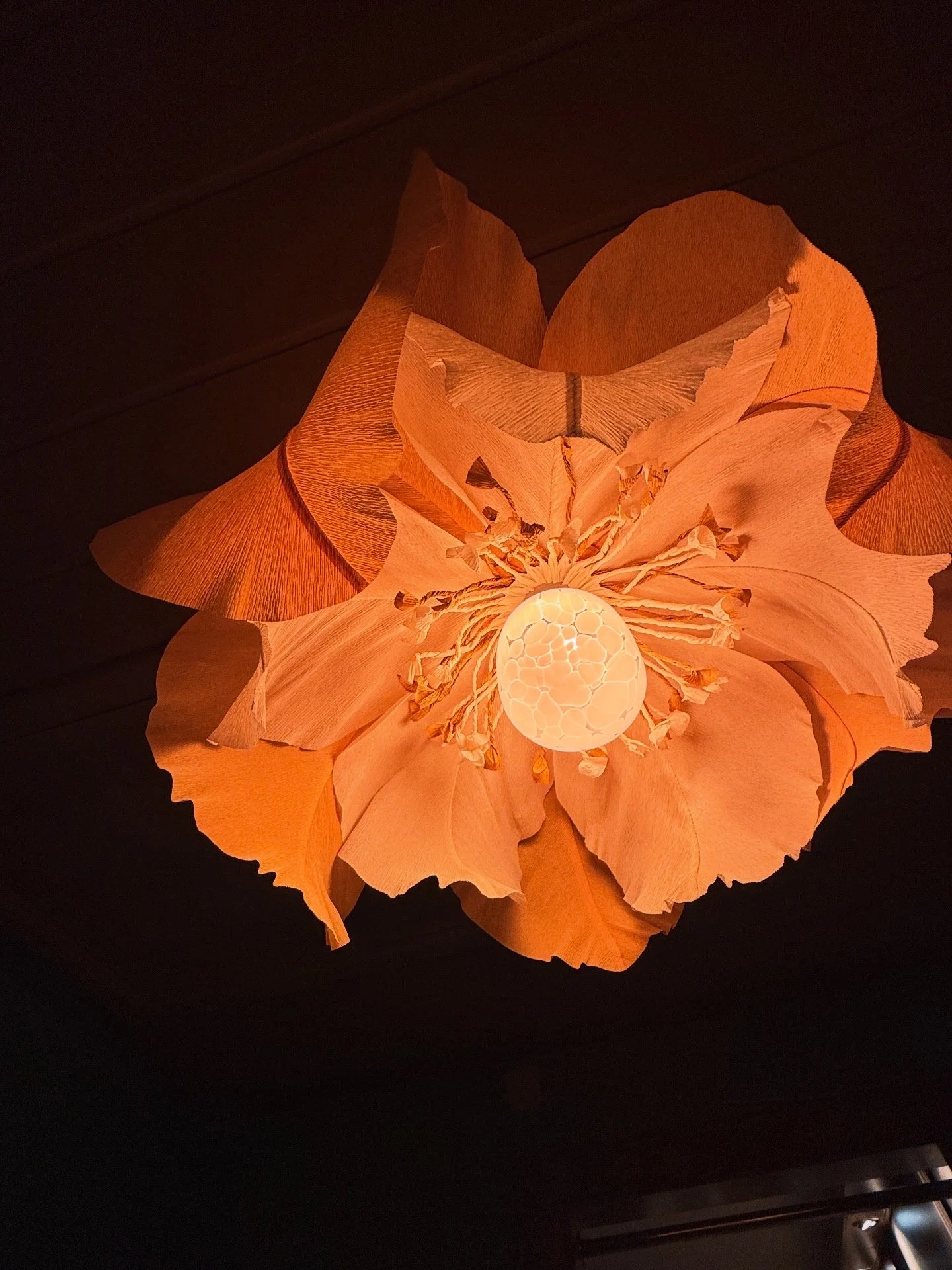
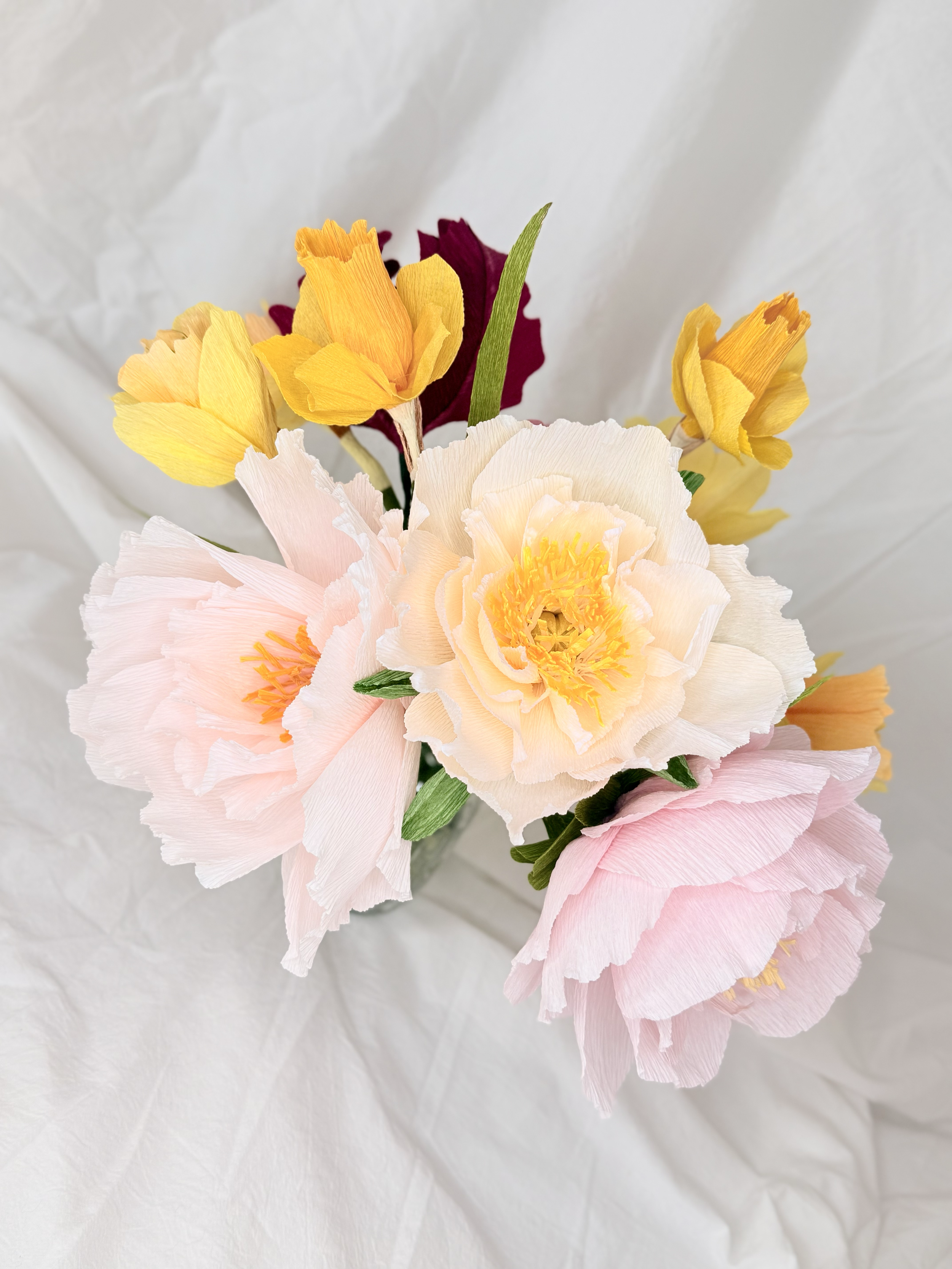

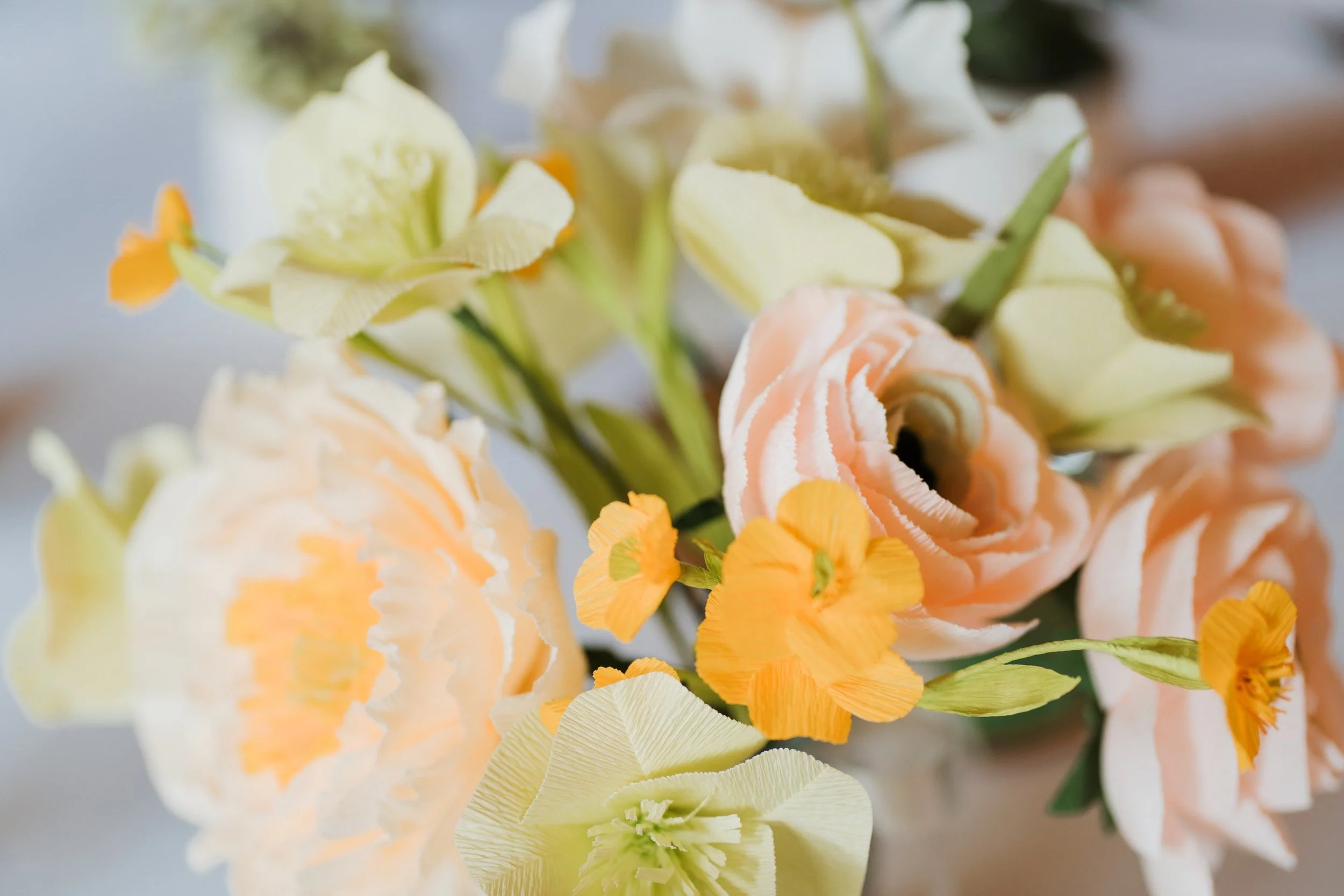
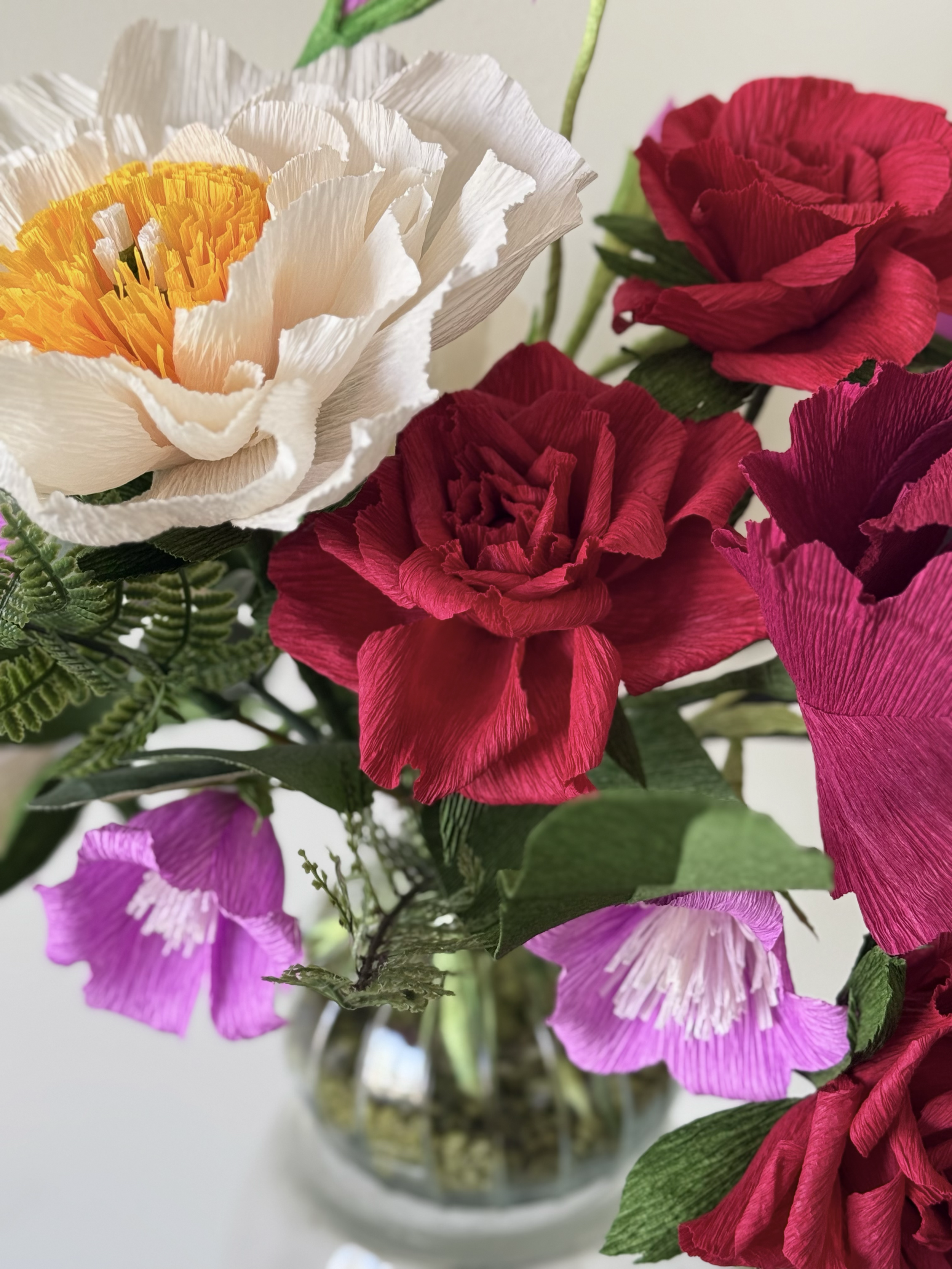
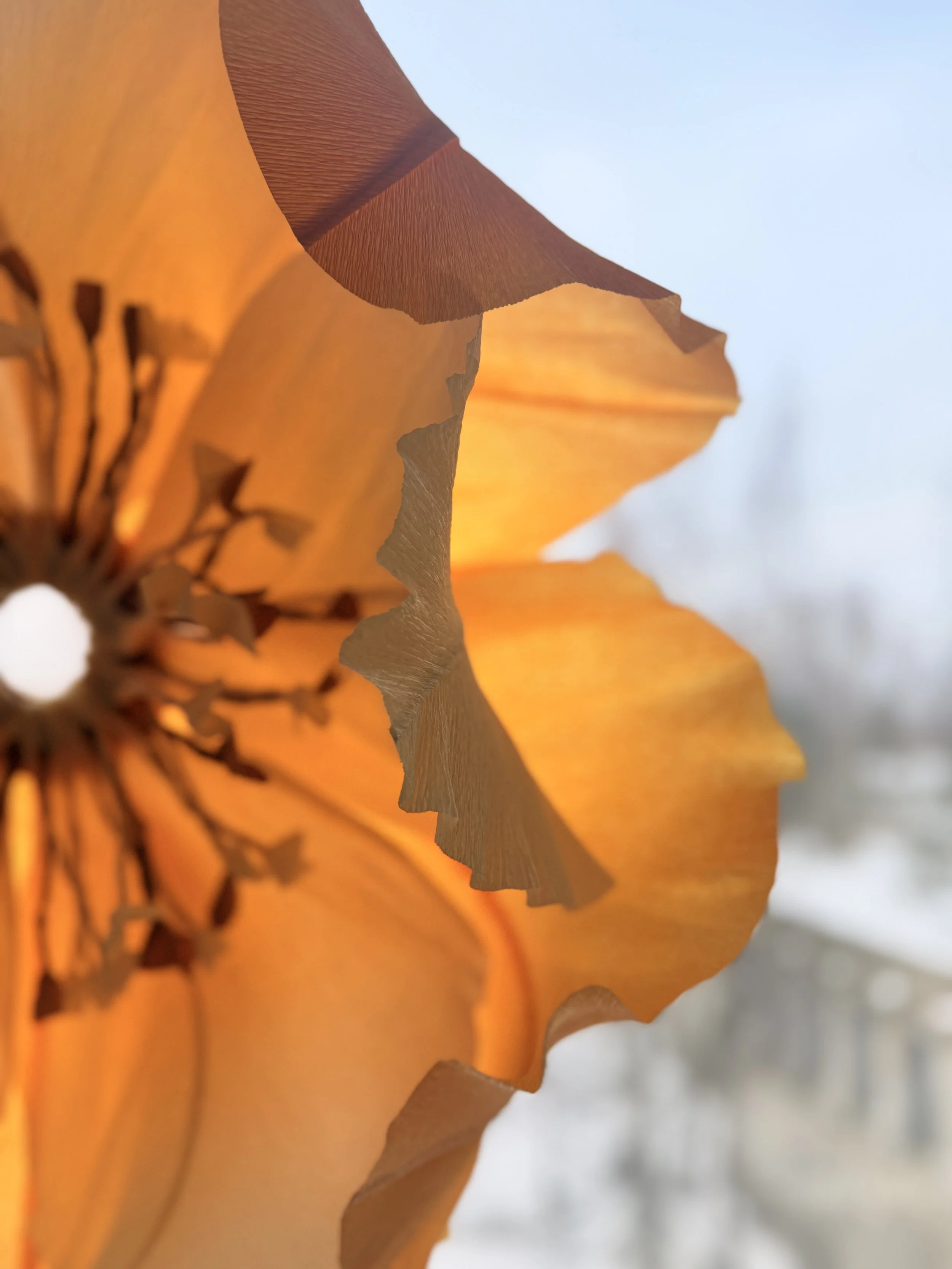
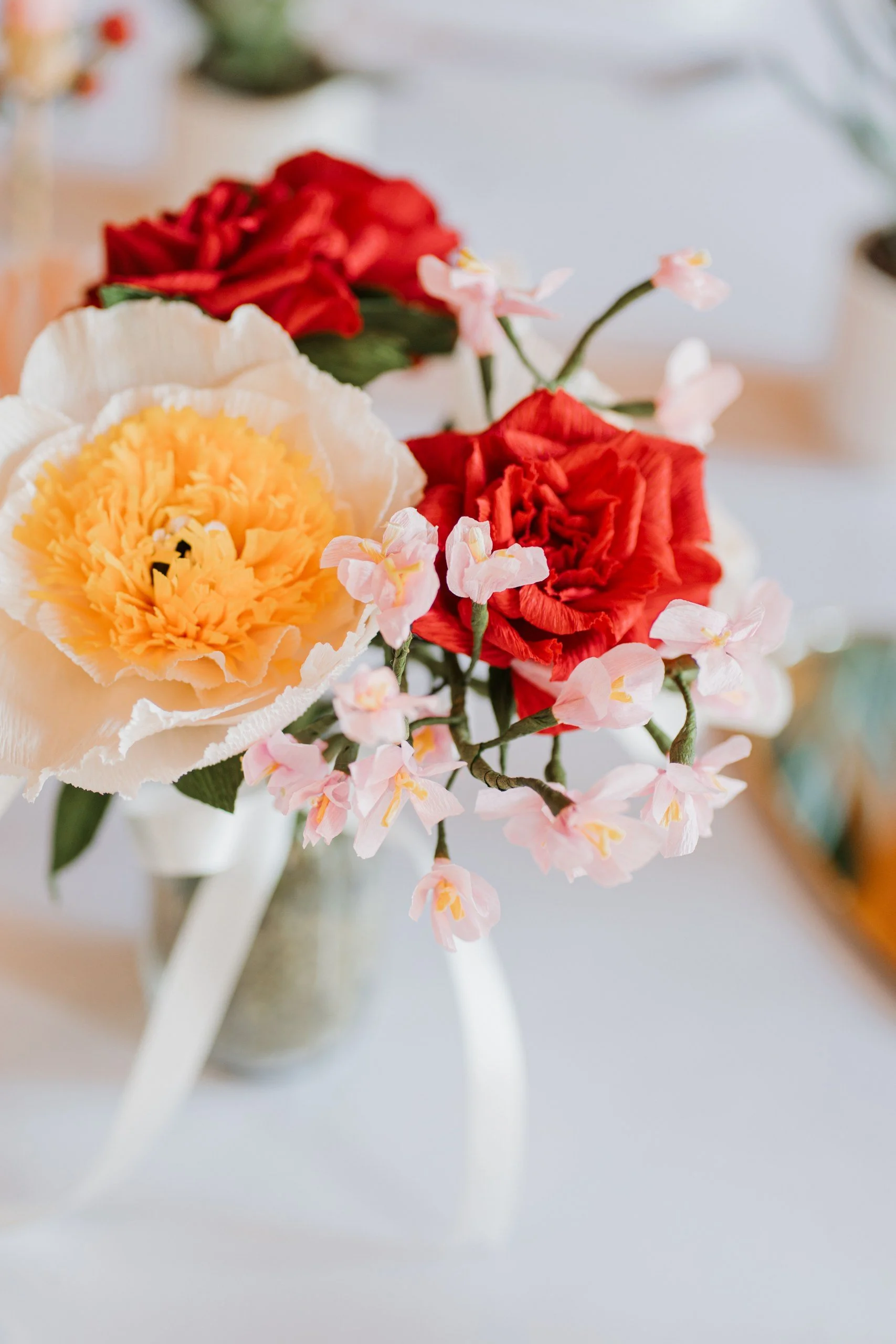
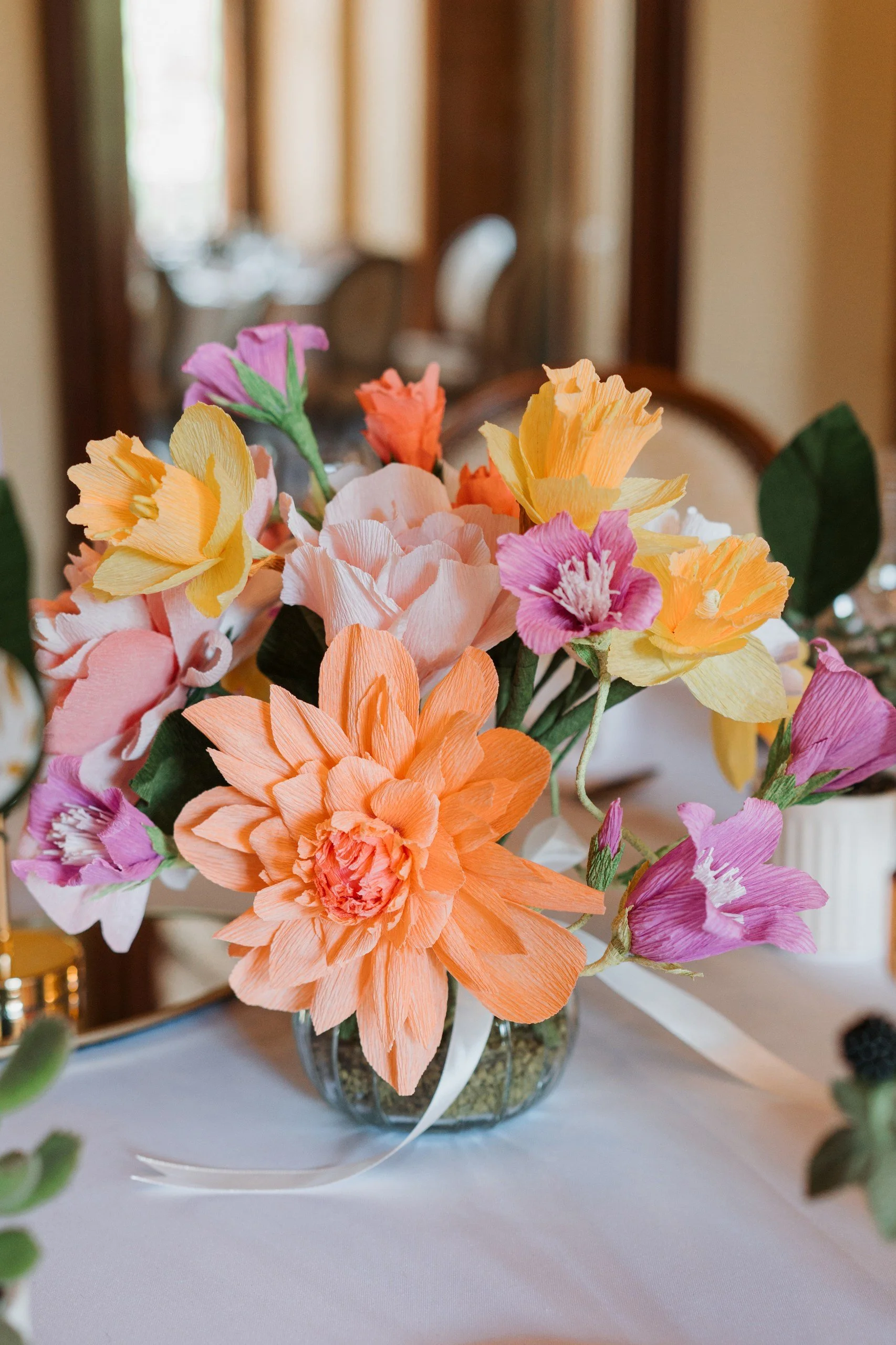
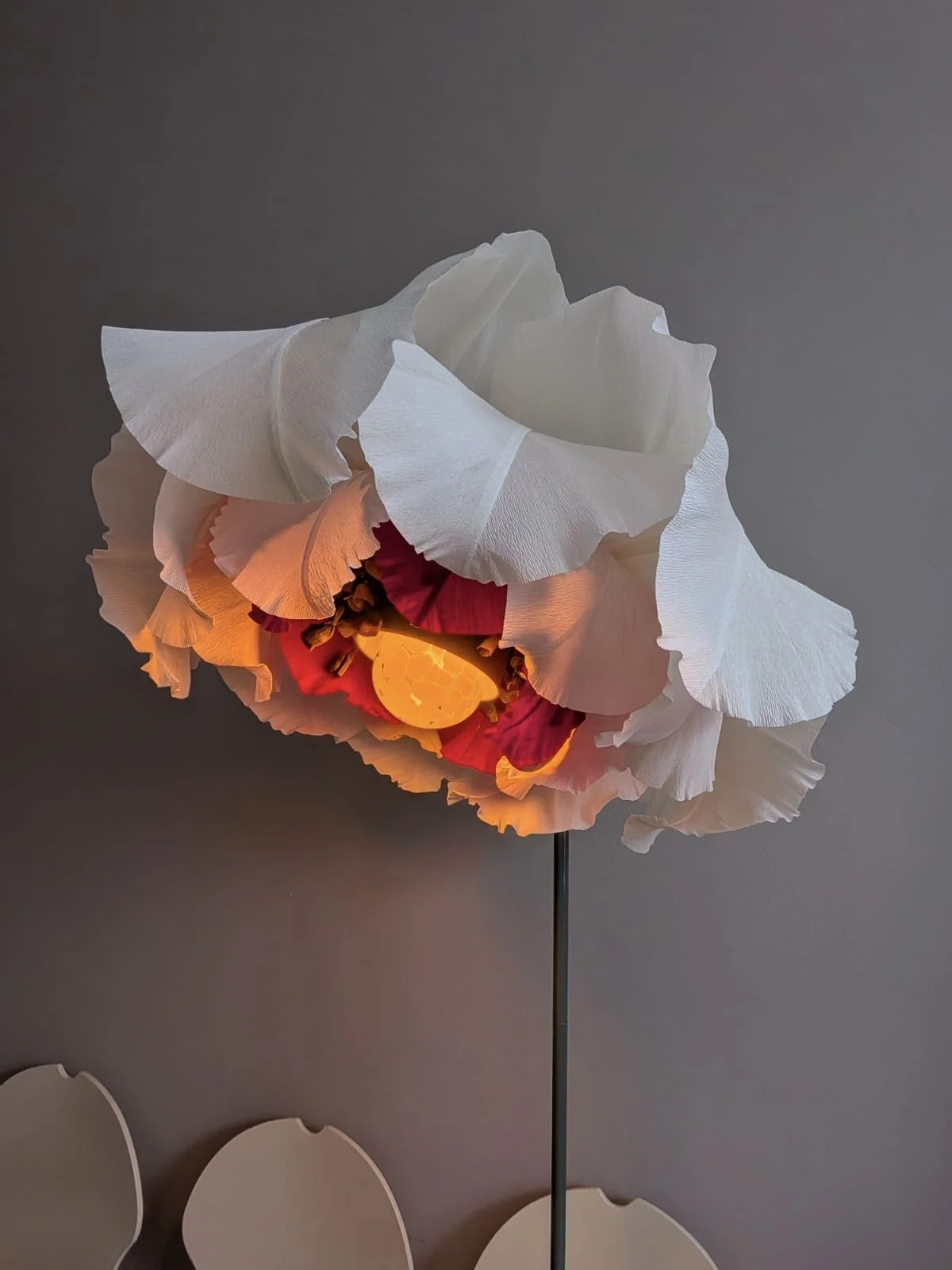
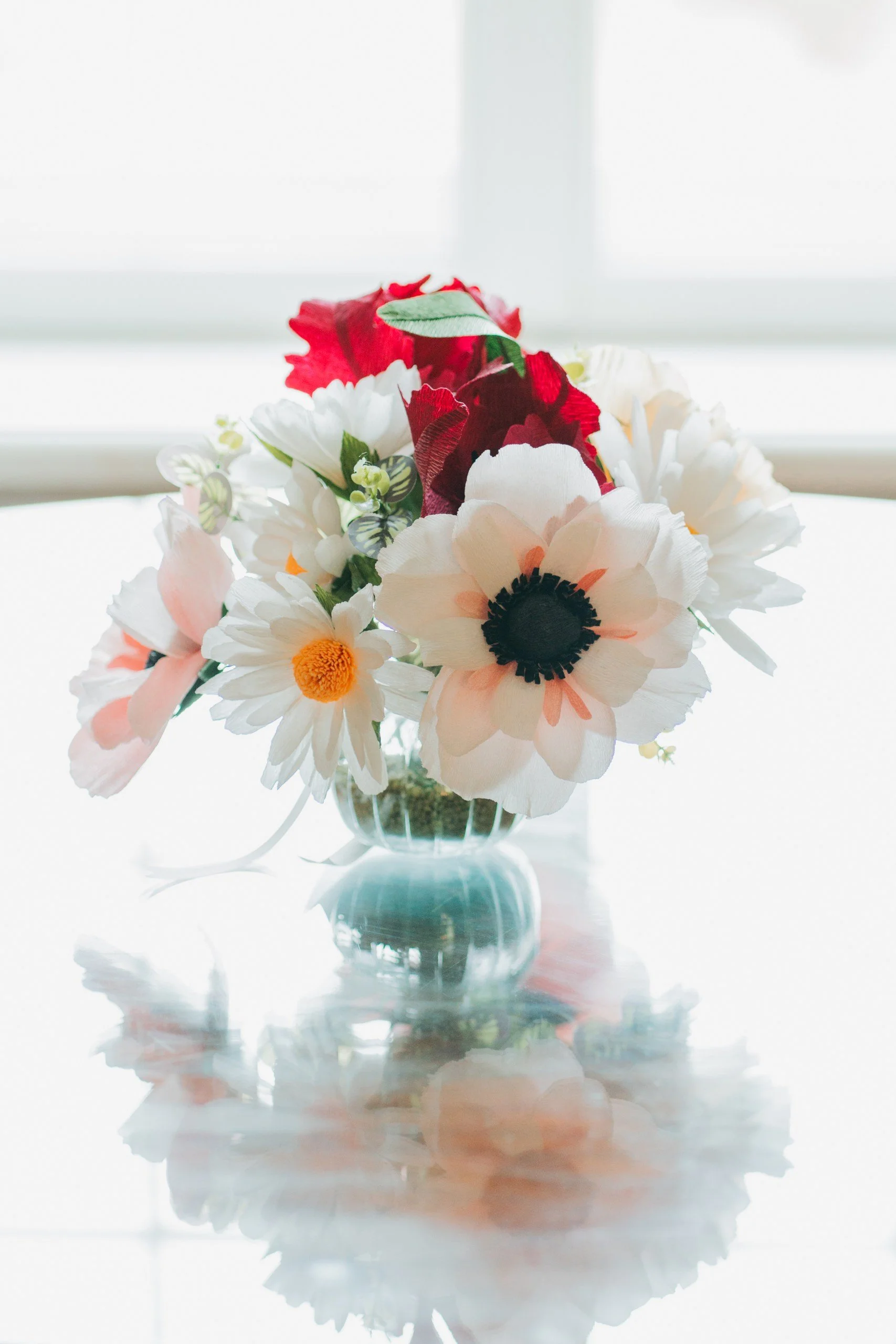
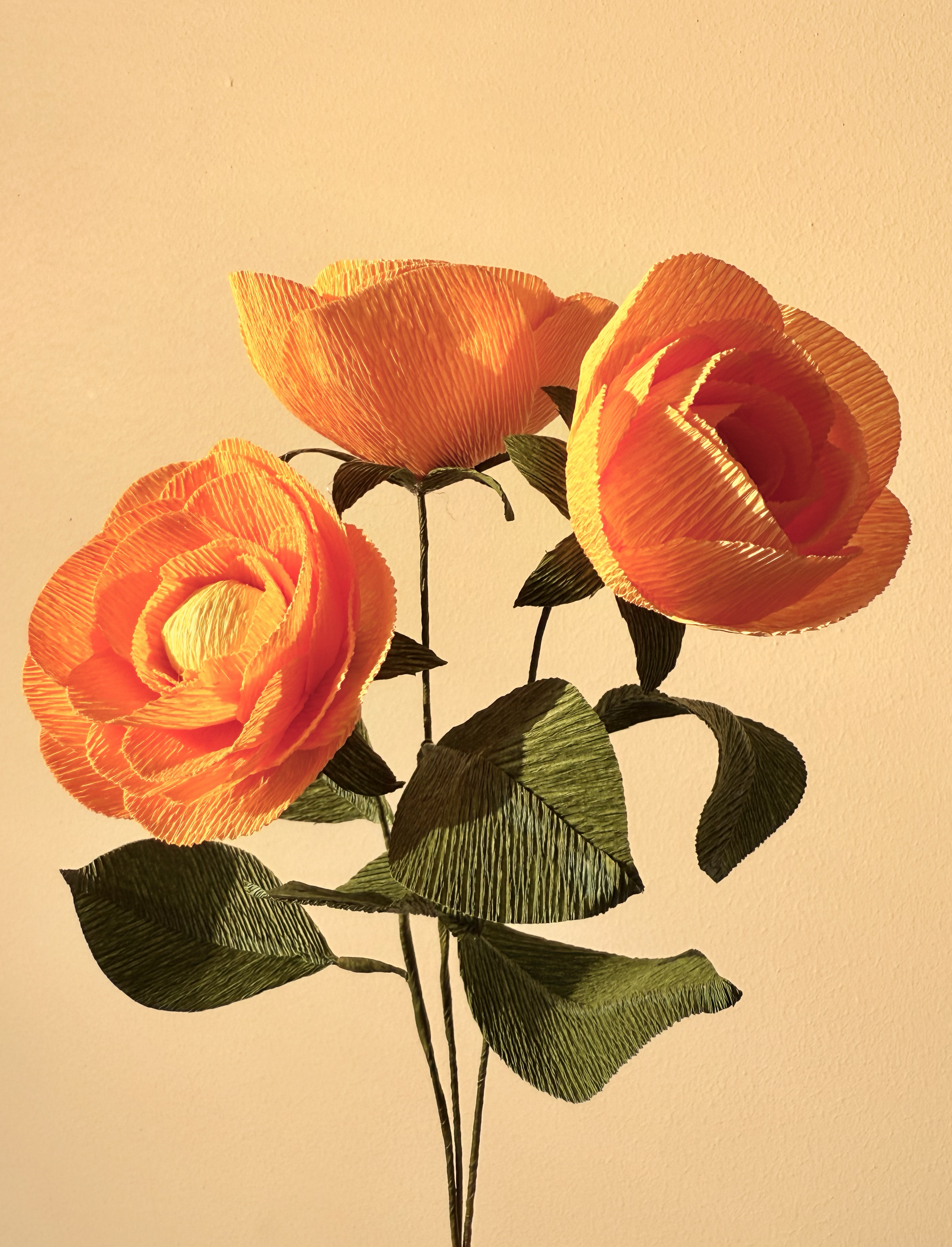
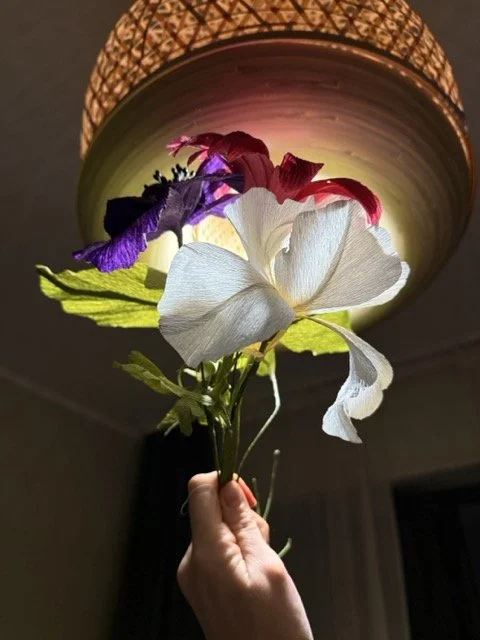
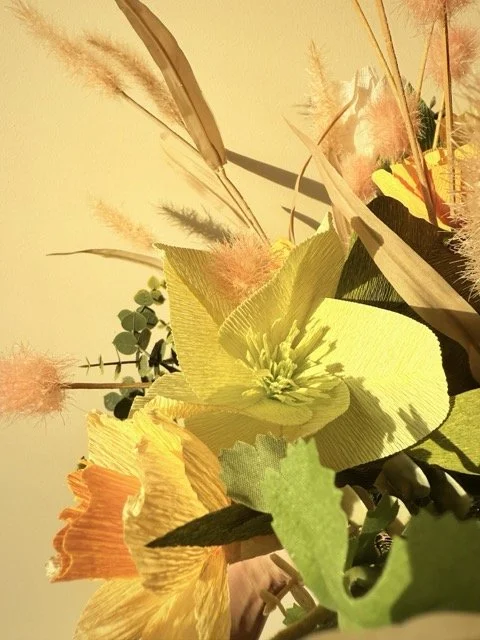
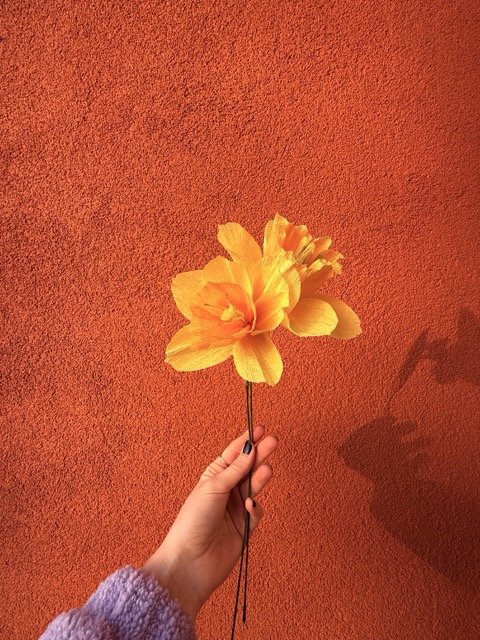
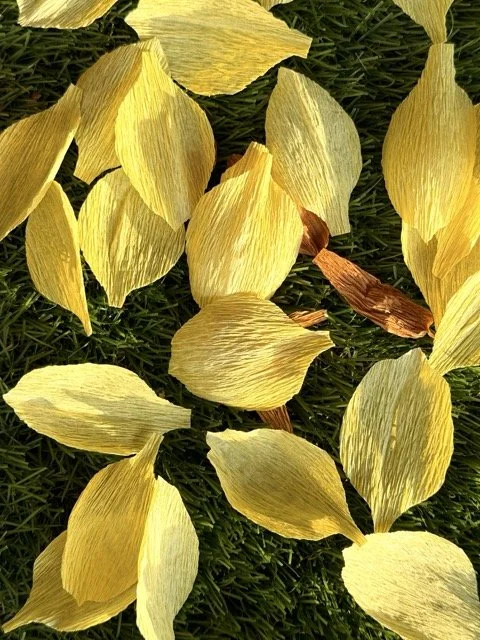
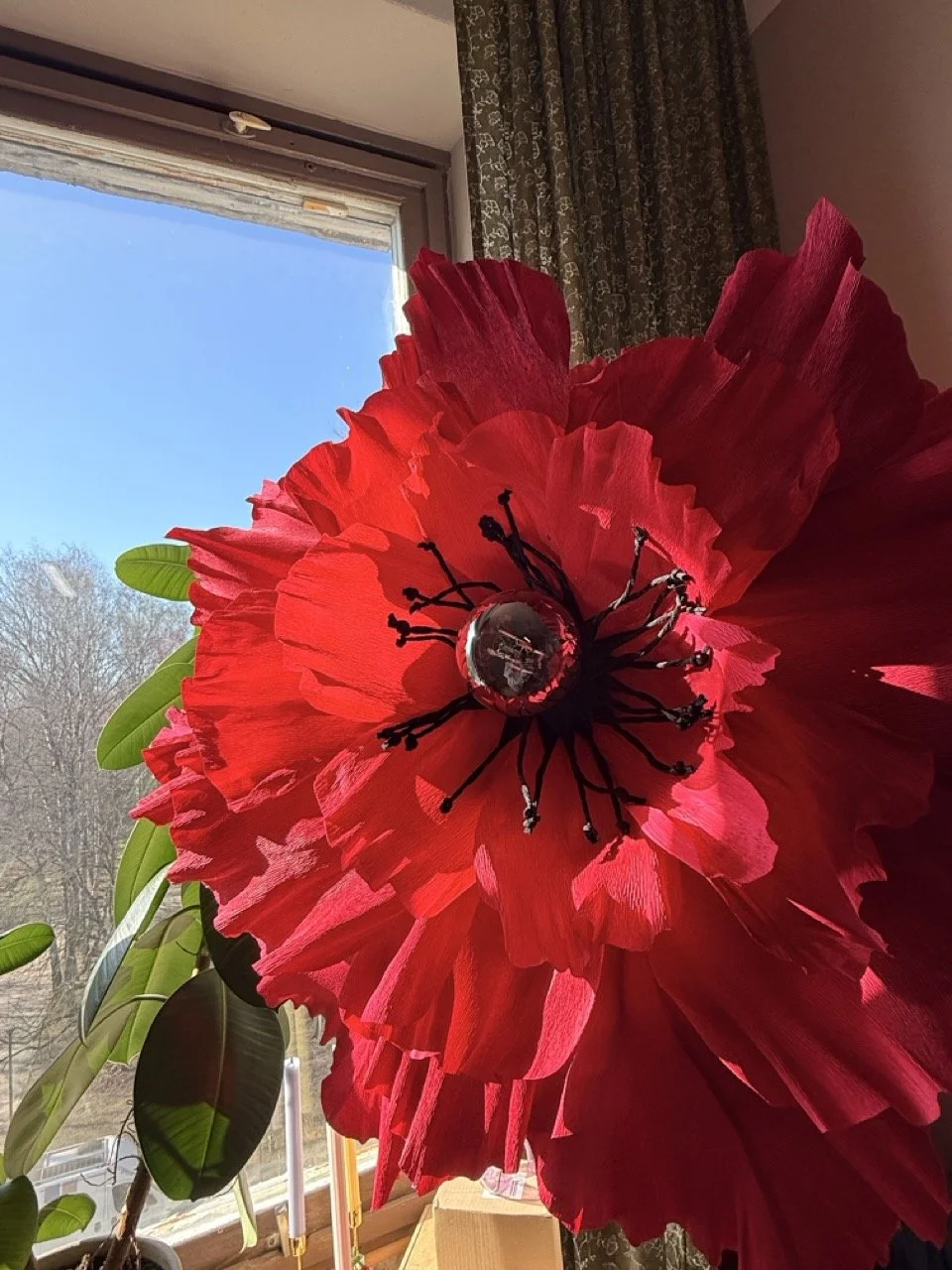
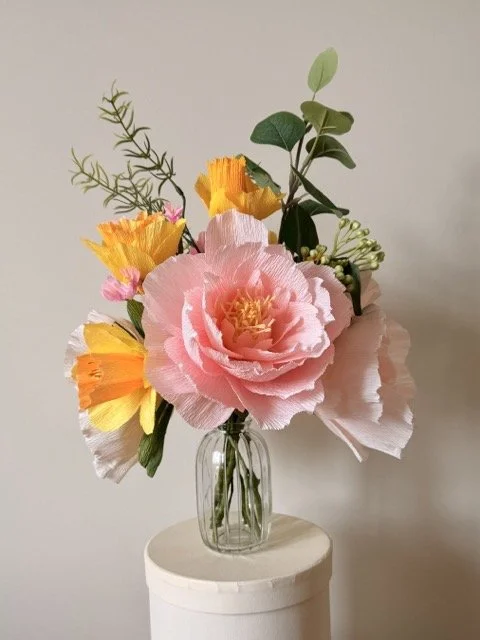
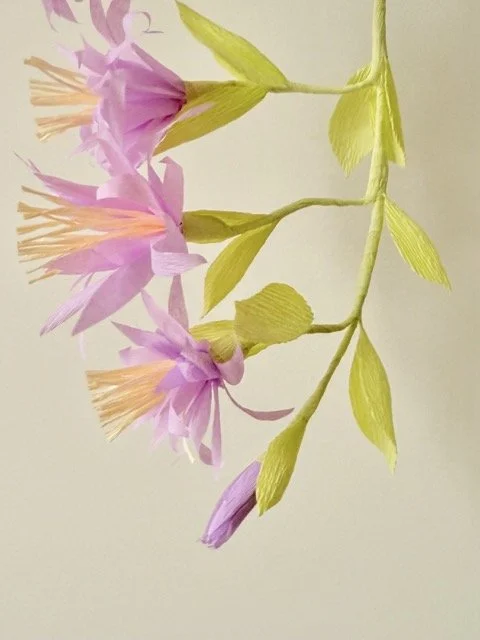
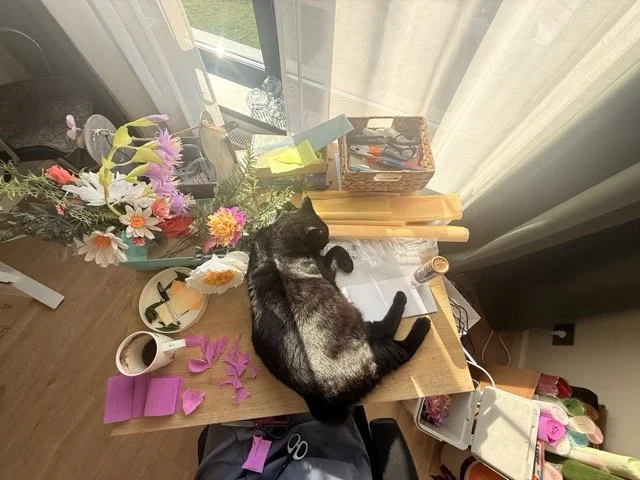
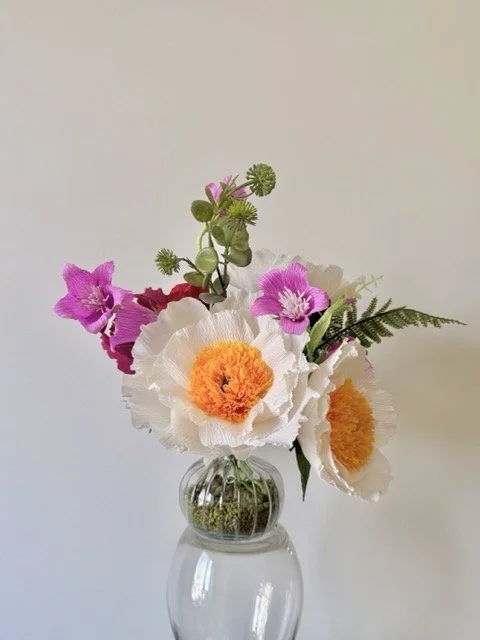
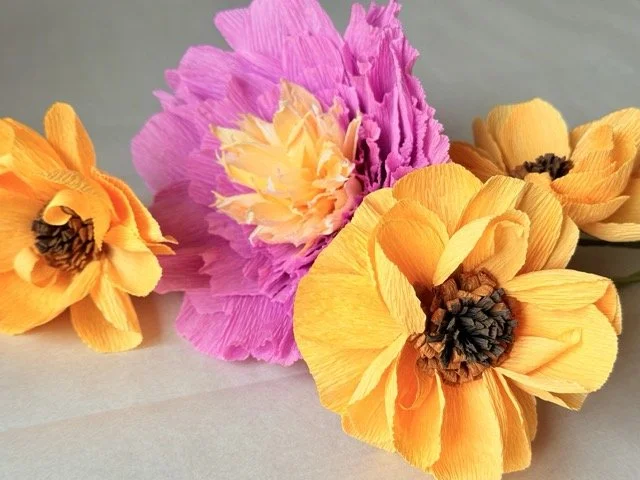
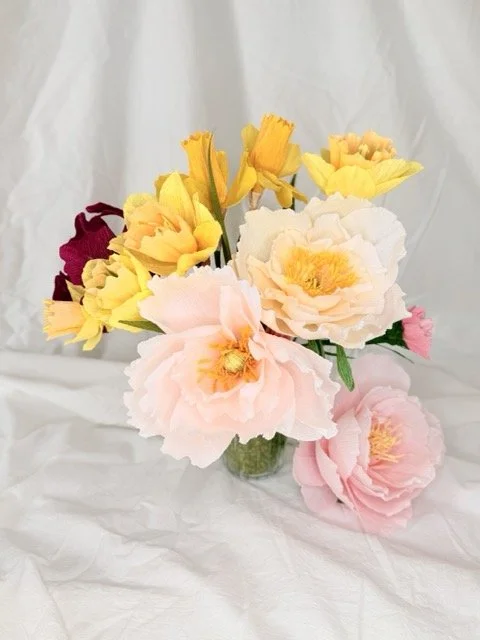
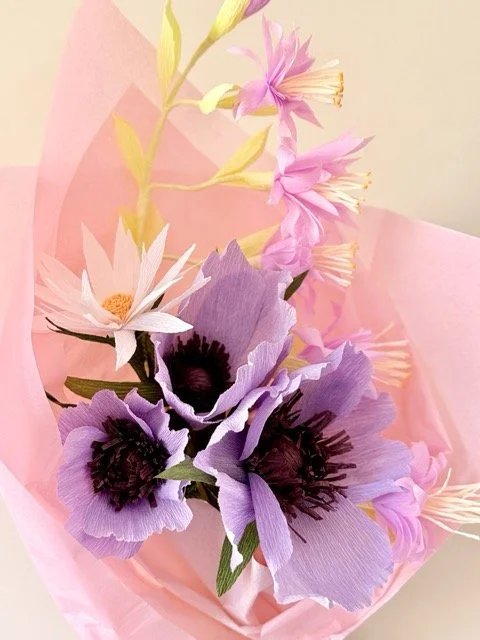
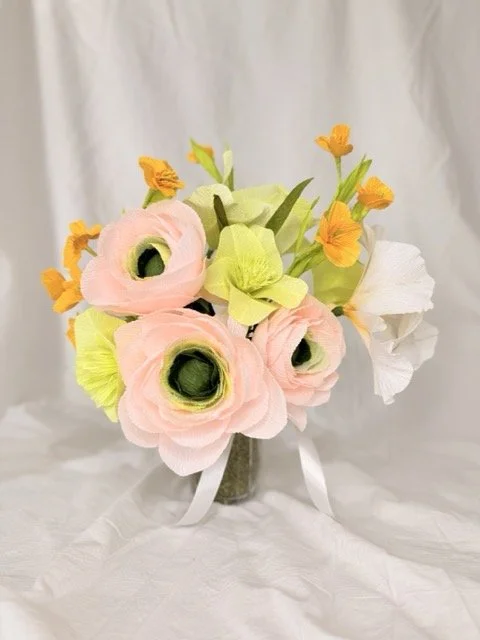
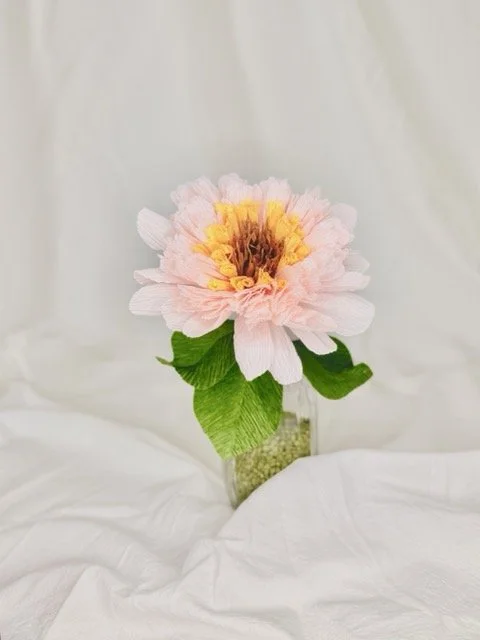
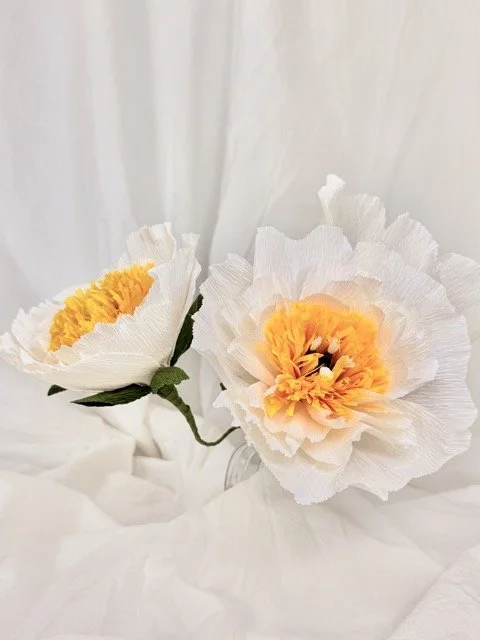
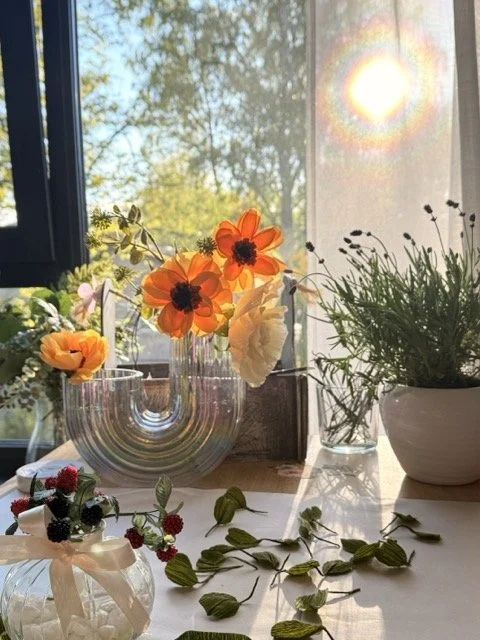
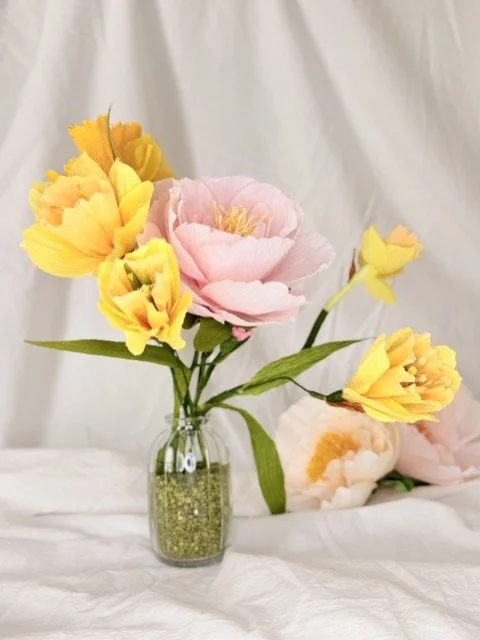
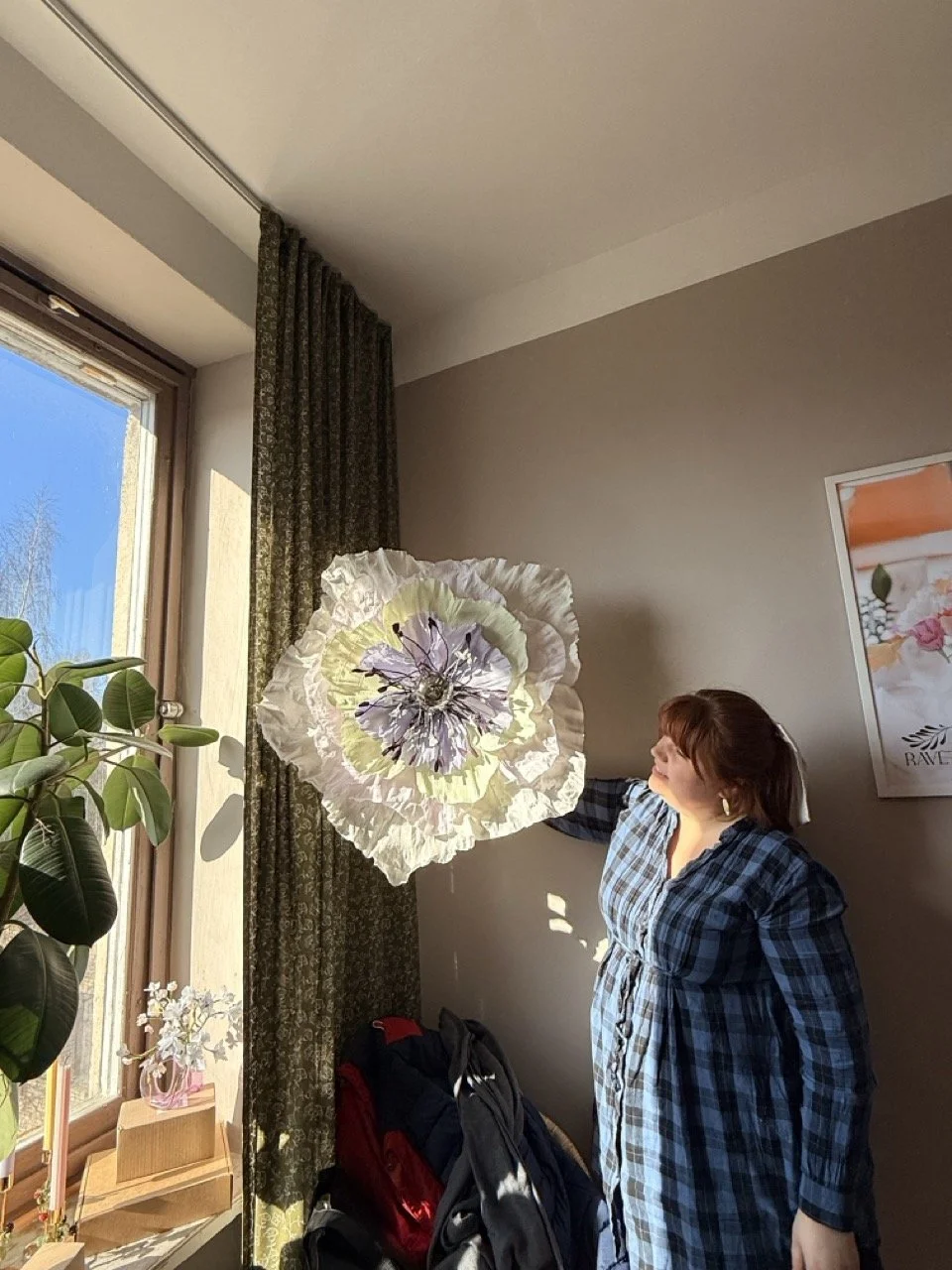
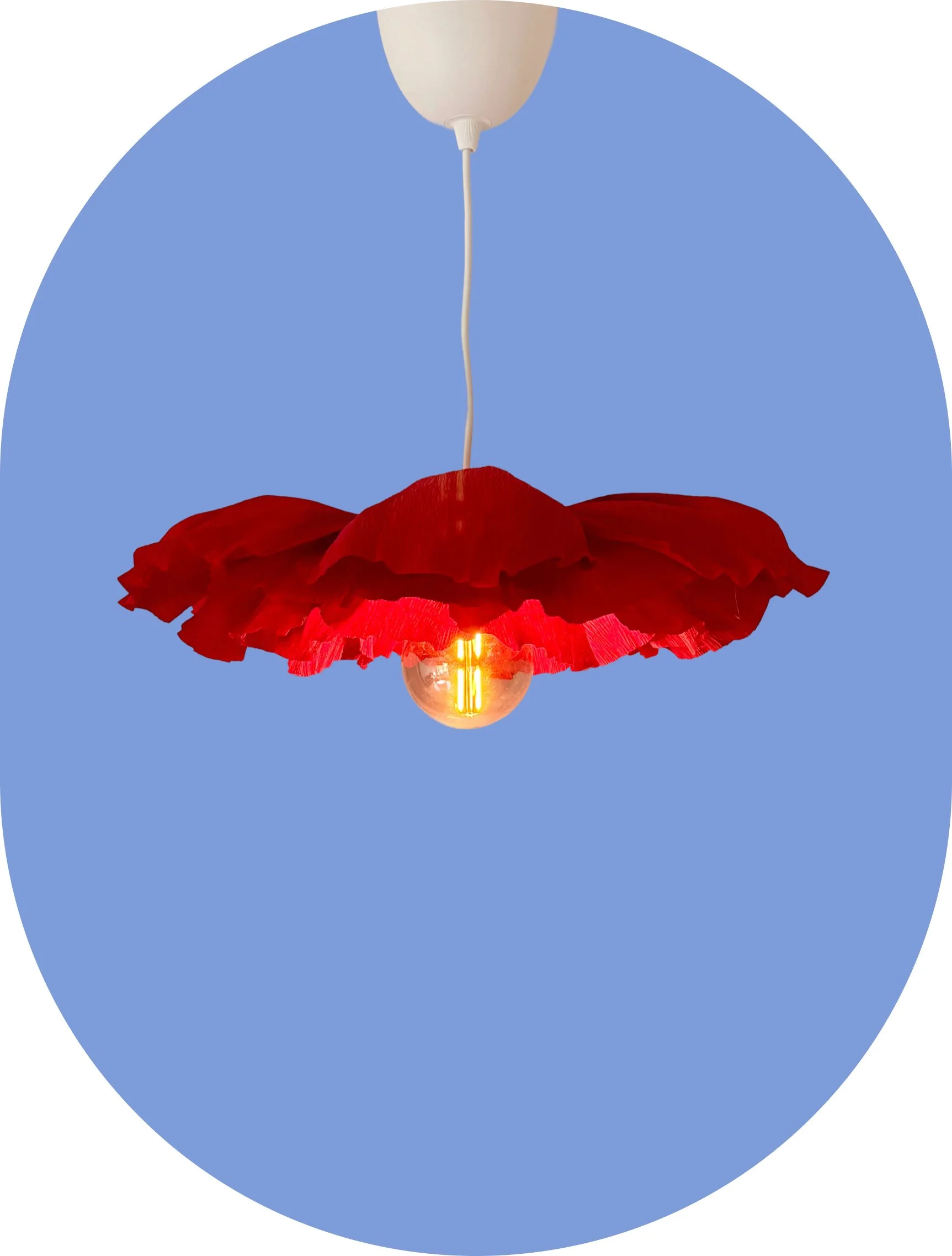
Same hands, same instinct — different material.
Whether it's a student portal or a paper peony, the process doesn't really change: understand what's weighing on someone, remove what doesn't need to be there, and build something that feels like relief instead of more noise.